

Maddy summarySB 253 requires landlords to provide tenants in single-metered rental units (not part of multifamily properties) with the option to have water and sewer bills sent directly to both the tenant and landlord. It prohibits landlords from retaliating against tenants who make this request, including eviction, rent increases, or denying lease renewals. The law applies only to new or renewed leases after its effective date and does not override federal housing laws. Tenants in these units gain direct access to their utility billing information, while landlords must comply with the new notification requirement.
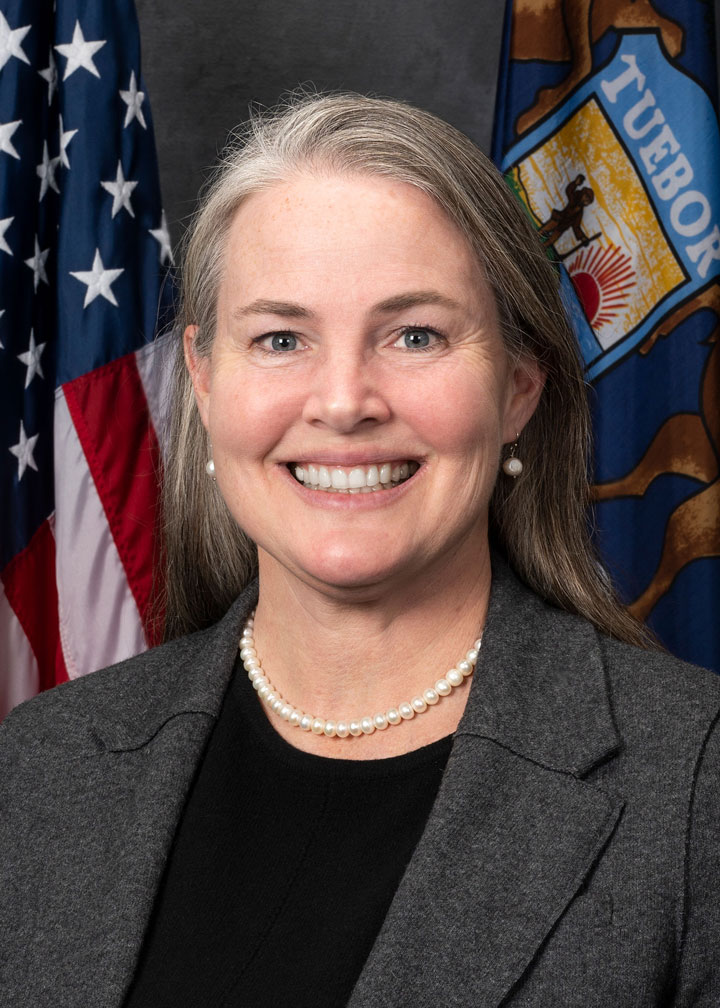
Sen. Sue Shink
Sponsored bills
Maddy summarySB 256 amends Michigan's criminal sentencing guidelines to reduce penalties for tampering with utility services (like electricity or water) that could shut off a residence. It specifically changes sections 777.16o and 777.16s of the Michigan Penal Code to reflect that certain utility tampering acts are now decriminalized, shifting them from criminal offenses to civil or administrative matters. The bill directly affects individuals who might interfere with utility services to a home, such as low-income residents attempting to avoid shutoffs. This change removes potential criminal charges for these specific acts while maintaining safety and service protections.
Maddy summarySB 252, the "Water Shutoff Protection Act," prevents residential water shutoffs for vulnerable households without prior notice and multiple contact attempts. It protects critical care customers (requiring water for medical equipment) and eligible low-income customers (earning ≤200% of federal poverty guidelines or receiving specific assistance programs like SNAP or energy aid). The bill requires water providers to contact customers at least three times via multiple methods (notices, calls, texts, mail) before shutoff, detailing payment plans and affordability programs. Notices must include specific details like shutoff dates, available options, and contact information for program administrators.
Maddy summarySB 562 would increase the minimum percentage of federal Low-Income Home Energy Assistance Program (LiHEAP) funds that must be spent on weatherization services for low-income households. It directly affects eligible households receiving energy assistance by expanding access to home weatherization improvements like insulation and efficient heating systems. The bill amends Michigan’s existing law (MCL 206.527a) to raise the required allocation of LiHEAP funds for weatherization assistance. This policy change modifies how state funds are distributed under federal energy assistance programs.
Maddy summarySB 248 creates a water rate affordability fund to provide financial assistance for human services, directly supporting low-income households struggling with water utility costs. The bill amends Michigan's human services code to establish this fund, which would help cover water bills for eligible residents. Currently in committee review (reported favorably with a substitute on November 5, 2025), the bill has not yet been voted on by the full chamber. It focuses on a concrete policy mechanism - funding for water bill assistance - without specifying eligibility details or funding sources in the provided context.
Maddy summarySB 628 requires Michigan's medical assistance program (Medicaid) to cover syringe service programs, which provide clean needles, disposal containers, and other harm reduction supplies to people who inject drugs. This directly affects individuals who use injection drugs by expanding access to safer equipment, and it affects the state's Medicaid program by mandating coverage for these services. The bill defines "syringe service programs" as harm reduction initiatives offering supplies like needles, cookers, and sharps disposal containers. It does not change eligibility for Medicaid but ensures these specific harm reduction services are funded under existing medical assistance.
Maddy summarySB 629 creates a legal framework for needle and syringe access programs in Michigan to reduce the spread of communicable diseases like HIV and hepatitis. It allows authorized programs (run by health departments or local agencies) to distribute sterile needles/syringes and provide related services. Participants in these programs are exempt from criminal penalties under existing laws for possessing needles, trace amounts of drugs in used equipment, or drug testing supplies. The bill directly affects people who use injection drugs, local health programs, and law enforcement by clarifying that program participation does not violate drug possession or paraphernalia laws.
Maddy summarySB 329 removes penalties that insurers could apply for past lapses in auto insurance coverage. It specifically eliminates requirements for applicants to prove they maintained insurance for the 6 months before applying (prior to January 1, 2022), and prohibits insurers from refusing coverage, raising premiums, or charging reinstatement fees solely due to prior coverage gaps. The bill directly affects drivers applying for auto insurance before 2022 who had brief periods without coverage. These changes streamline the application process by preventing insurers from penalizing applicants for past lapses that occurred before the effective date.
Maddy summarySB 478 transfers administrative control of a specific 92.98-acre parcel of state-owned land in Green Oak Township, Livingston County, from the Department of Corrections to the Department of Military and Veterans Affairs. The property, described in detail in the bill, includes all improvements and equipment on the land. The transfer is permanent, requires approval by the state administrative board, and occurs without cost to the receiving department (though the Military Affairs Department must reimburse administrative costs). This bill directly affects how these two state agencies manage the property, shifting responsibility from corrections facilities to military/veterans services.
Maddy summarySB 625 amends Michigan's unemployment benefits law to clarify procedures for recovering improperly paid benefits. It directly affects individuals who received benefits they weren't entitled to, requiring repayment within 3 years (except for identity fraud cases) through deductions from future benefits (max 50%), cash payments, or tax refunds. The bill establishes specific waiver conditions where repayment may be forgiven if it would be "contrary to equity and good conscience," such as when benefits were paid due to agency errors, claimants provided unintentionally incorrect wage info, or household income was below 150% of federal poverty guidelines. This update streamlines repayment processes while offering relief in defined hardship scenarios.