

Maddy summaryThis bill allows smaller Michigan communities with populations under 30,000 to pass resolutions permitting golf carts on their streets and county roads. It establishes specific rules for these vehicles, requiring operators to be at least 16 years old and licensed to drive a motor vehicle, while also setting speed limits of 15 mph and restricting use to daylight hours. The legislation grants counties the authority to block golf cart access in townships if they determine there are significant public safety or environmental concerns. Additionally, the bill creates a process for these communities to request permission to use golf carts on certain state highways that are not interstates, provided the roads serve specific local needs like connecting tourist areas or crossing natural barriers.
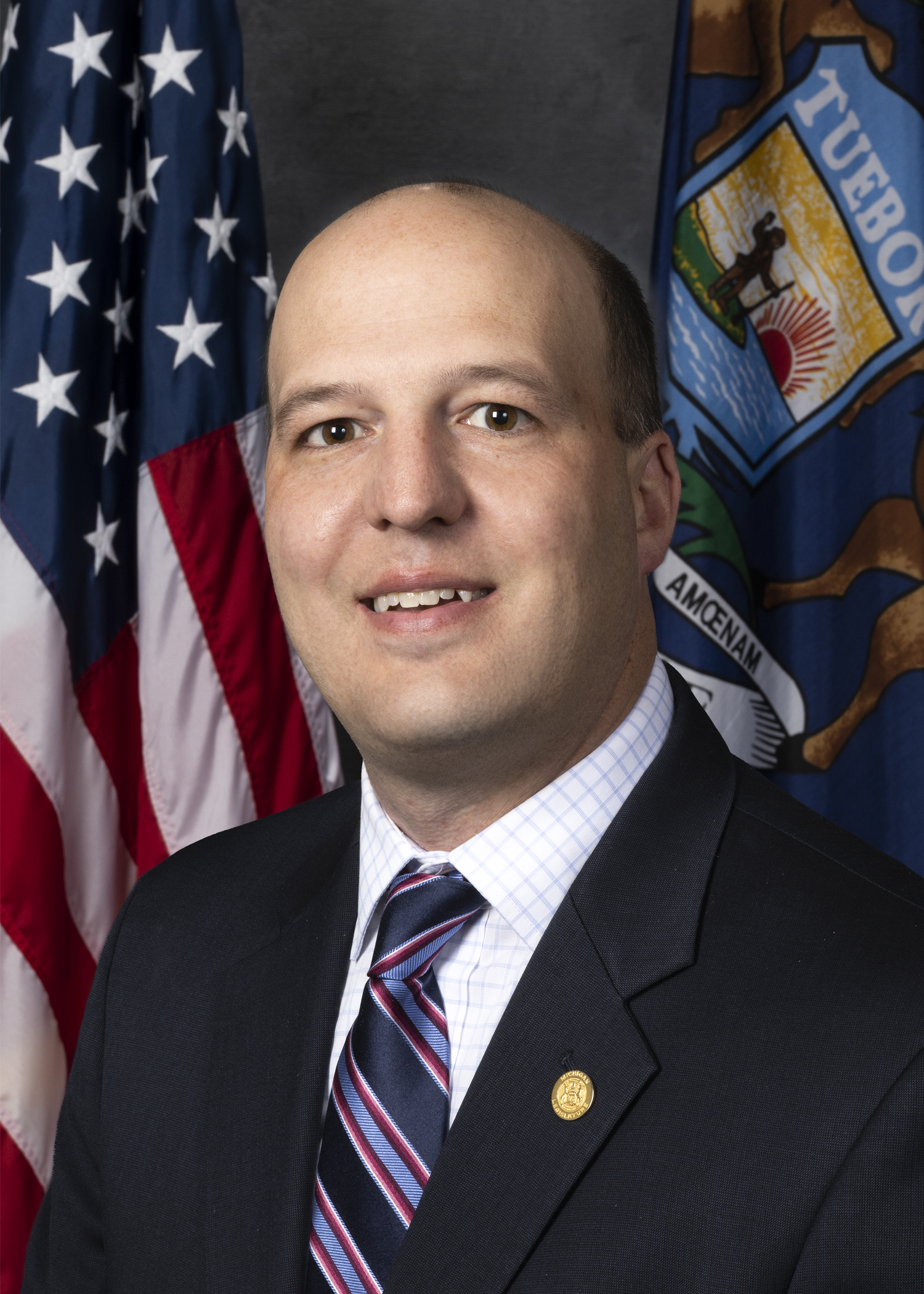
Sen. Kevin Hertel
Sponsored bills
Maddy summarySB 328 requires auto insurers in Michigan to reduce premiums by 10% for new policies or the first renewal after the law takes effect. This applies to all policies issued or renewed under the specified conditions, directly affecting policyholders and insurers. The bill explicitly prohibits insurers from lowering coverage options to offset this premium reduction. It mandates concrete changes to insurance pricing without altering policy terms or coverage requirements.
Maddy summaryThis bill requires local governments in Michigan to notify the Secretary of State within 20 days of making specific changes to election rules, such as altering how winners are determined or switching between district-based and at-large voting systems. It also mandates that localities inform the state at least 20 days before removing voters from registration lists and within five business days of requests to inspect voting equipment or ballot data. To ensure transparency, the Secretary of State must post these notifications on the state website in an accessible format and publicly list any local government that fails to comply with these reporting deadlines. These provisions are set to take effect on January 1, 2028, after a consultation period with county clerks, municipal clerks, and voting rights advocates.
Maddy summarySenate Bill 961 creates a new State Voting Rights Act in Michigan to protect the voting rights of racial, color, and language minority groups. The bill prohibits local governments and officials from implementing election rules or practices that create disparities in voter participation or impair the ability of minority groups to elect candidates of their choice. Key provisions include establishing definitions for voting methods and protected classes, requiring a court-appointed monitor under certain circumstances, and creating a fund to support enforcement efforts.
Maddy summaryThis bill establishes the Michigan Voting and Elections Database and Institute, a new entity designed to collect, archive, and make election data publicly available at no cost. The institute will be created through an agreement between the Secretary of State and public research universities, with the university selecting the director and assuming responsibility for most operating costs. Key provisions include the centralization of precinct-level election results, voter registration lists, polling place locations, and demographic estimates, which must be maintained for at least 12 years before permanent archival. The institute will also offer research opportunities, training classes, and technical assistance to local governments and the public while implementing rigorous cybersecurity standards for the data it holds.
Maddy summarySenate Bill 963 creates the Language Assistance for Elections Act to require Michigan local governments to provide election materials in languages other than English for residents with limited English proficiency. The law mandates that counties, cities, and townships must offer translated ballots, voting instructions, and signage if their population includes a specific number of voters who share a single non-English language. The Secretary of State will publish a list of affected jurisdictions and languages annually, while also providing certified translations and electronic voting systems to ensure accuracy. Local governments will be reimbursed for additional costs associated with implementing these translation and testing requirements.
Maddy summaryThis resolution designates June 9, 2026, as Focal Segmental Glomerulosclerosis (FSGS) Day to raise awareness about a rare kidney disease that causes scarring and can lead to kidney failure. The bill directly affects patients, their families, and healthcare providers by aiming to highlight the challenges of diagnosis and the need for better access to treatments. It does not change any laws or funding but serves as a symbolic gesture to support advocacy efforts and encourage early detection for those impacted by the condition.
Maddy summaryThis Senate resolution officially designates June 2026 as Lesbian, Gay, Bisexual, Transgender, Queer+ Pride Month in Michigan. The measure serves as a symbolic recognition of the LGBTQ+ community's history, contributions, and ongoing fight for equality rather than enacting new laws or policies. By adopting this resolution, the state legislature acknowledges the cultural and civic value of the community and aligns with national traditions of celebrating Pride Month.
Maddy summarySenate Bill 991 amends Michigan's Consumer Protection Act to prohibit businesses from using certain algorithms and protected class data to set prices. This law directly affects companies that sell goods or services by banning the practice of adjusting prices based on factors like race, age, or other personal characteristics. The bill adds a new section to the statute to explicitly make this pricing behavior unlawful, ensuring that consumers are not charged different amounts for the same items based on their personal data.
Maddy summaryThis Senate resolution designates May 2026 as Treatment Court Month to honor the work of treatment courts across the state and nation. The measure does not alter any laws or create new programs; instead, it serves as a formal recognition of these courts' role in helping individuals with substance use and mental health challenges. By highlighting the success of these specialized courts, the bill aims to raise public awareness about their impact on community safety and individual recovery.