

Maddy summaryHB 5908 amends Michigan's existing riot laws to establish mandatory minimum sentences for specific criminal acts. The bill requires that anyone convicted of violating certain sections of the Riot Act must receive a prison term of at least 10 years, while other related offenses carry a maximum sentence of five years. This legislation directly impacts individuals charged with rioting and related crimes by ensuring they face a set minimum punishment rather than a judge's discretion. The changes take effect 90 days after the bill is officially signed into law.
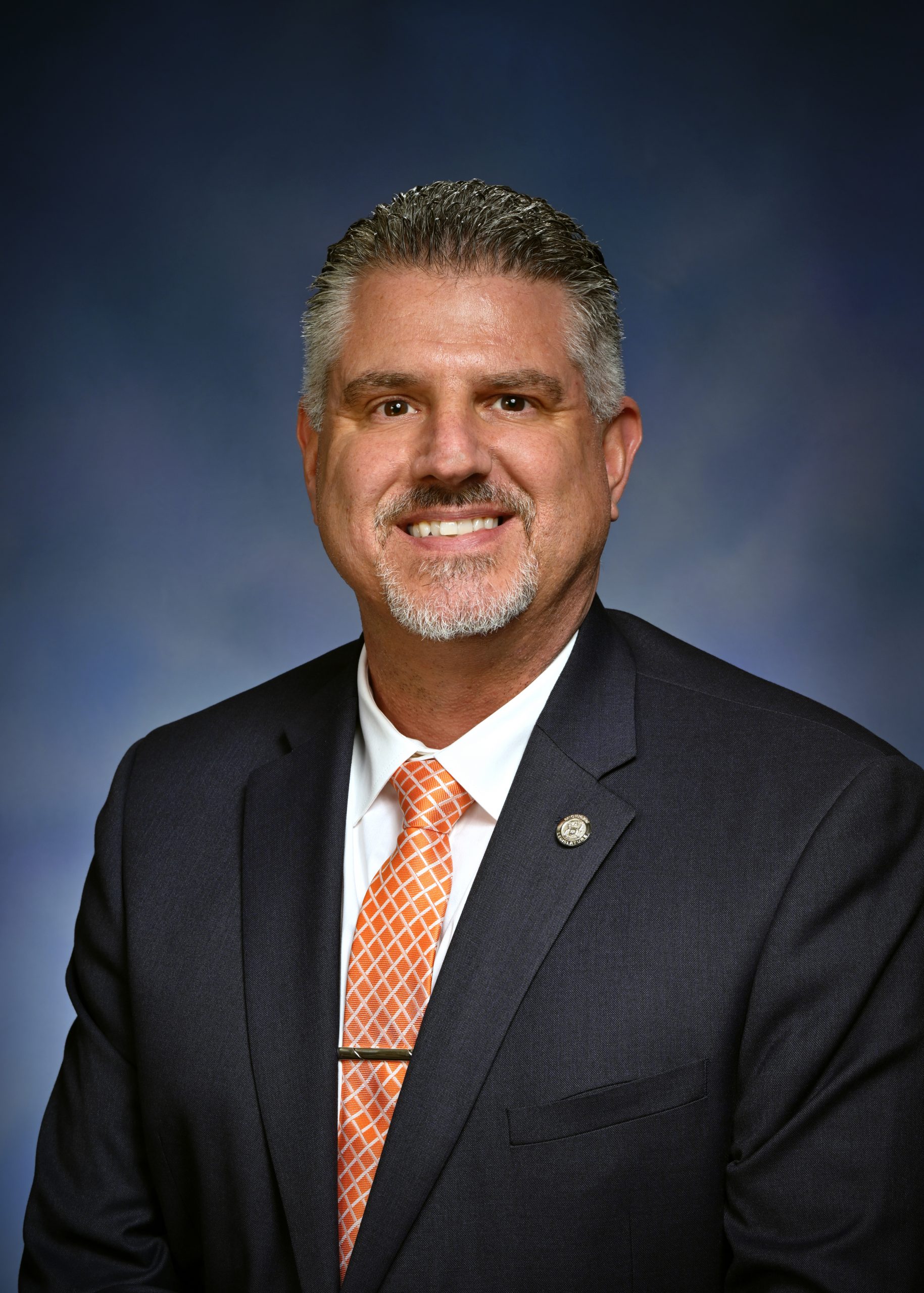
Rep. Mike Hoadley
Sponsored bills
Maddy summaryThis bill requires the Michigan National Guard to pay all servicemembers their compensation through direct deposit or electronic transfer starting with their first eligible pay period. The legislation amends existing state wage payment laws to mandate this specific payment method for National Guard members, who must provide the necessary banking information to enable the transfers. While the bill maintains existing protections for other employees regarding payroll debit cards and direct deposit consent, it creates a special provision that applies exclusively to the National Guard without requiring individual opt-in consent from each servicemember. This change ensures consistent electronic payment processing for military compensation while preserving the broader legal framework governing wage payments for other Michigan employees.
Maddy summaryHB 5302 creates a $5 million annual competitive grant program for recovery community organizations in Michigan to expand services for people seeking long-term recovery from substance use disorders. The bill requires the state to fund at least 19 certified local recovery groups and qualifying nonprofit associations, with each grant capped at $250,000 (or 50% of an organization’s operating budget). Priority goes to groups offering specific services like recovery navigation, workplace education, and wellness activities (e.g., support groups, nutrition programs). Grantees must report annually on fund usage, participant metrics, and budget details starting in 2027, with the program set to expire on October 1, 2031.
Maddy summaryThis bill proposes an amendment to the Michigan state constitution to permanently extend a property tax relief measure for homeowners who sell their primary residences. Currently, selling a home triggers a full reassessment of its value, which often leads to a significant spike in property taxes for the new owner; this change would allow the new owner to keep the lower taxable value established under the existing cap rules. The relief applies only to homes that are continuously owned and used as a principal residence, meaning the tax advantage ends if the property is sold for investment purposes or converted to a non-residential use. By removing the automatic reset of taxable value upon transfer, the bill aims to reduce the financial burden on families moving between primary homes.
Maddy summaryThis bill amends Michigan's sports betting law to require the state gaming board to collect fingerprints and criminal history records from individuals applying for or holding licenses related to sports betting operations. It expands the scope of background checks to include not only applicants but also current licensees, board employees, contractors, and specific management roles such as sports traders and heads of key departments like fraud, technology, and finance. The legislation mandates that these fingerprints be submitted to state and federal authorities for automated checks against new criminal arrests, with results shared with the gaming board while prohibiting the sharing of these records with private entities.
Maddy summaryThis bill amends Michigan's Internet Gaming Act to require the state gaming board to collect fingerprints and conduct criminal history checks on individuals applying for or holding licenses related to internet gaming. The law mandates that applicants and licensees consent to these background investigations, which include searches by the Department of State Police and the Federal Bureau of Investigation. Specifically, the requirement applies to game dealers, technology staff, supervisors, and high-level executives of gaming suppliers and their parent companies. The bill also establishes that the state police must retain these fingerprints in automated systems to automatically alert the board if any matches are found for new criminal arrests.
Maddy summaryThis bill requires the Michigan Gaming Control Board to obtain criminal history records and fingerprints for a wide range of individuals involved in the state's gaming industry. The law mandates that applicants for casino, supplier, and occupational licenses, as well as current and prospective employees and contractors, must submit fingerprints for checks with the Department of State Police and the FBI. Additionally, the bill requires the Department of State Police to retain these fingerprints in an automated system to automatically alert the board if new criminal arrests match existing records. The legislation also clarifies that the board cannot share these criminal history results with private entities and allows the state police to charge a fee for conducting these checks.
Maddy summaryThis bill designates April 18, 2026, as Champions Day in Michigan to honor the state's historic sports achievements from 1935 and recent successes. The resolution encourages citizens to celebrate the 1935 victories of Joe Louis, the Detroit Tigers, the Detroit Lions, and the Detroit Red Wings, while also acknowledging Olympic gold medalists and the University of Michigan men's basketball team's 2026 national championship. As a commemorative measure, the bill has no legal requirements or funding provisions and serves solely to recognize these athletic milestones.
Maddy summaryThis bill modifies Michigan's sales tax rules for online marketplace facilitators, requiring them to collect and remit sales tax on all taxable sales made through their platforms regardless of whether the individual sellers have a physical presence in the state. It establishes that marketplace facilitators are responsible for auditing only their own facilitated sales unless sellers fail to provide necessary information, while also protecting facilitators from liability when sellers provide incorrect data or pay the tax directly. The legislation creates a special provision for delivery network companies, allowing them to deduct or exclude from their tax liability the sales tax they paid to marketplace sellers for qualified delivery services, such as those performed by couriers using personal vehicles or walking for distances under 75 miles.
Maddy summaryHB 4720 prohibits Michigan jurisdictions from using electronic voting systems containing parts or equipment from foreign entities listed by the FCC under federal law, effective January 1, 2026. This directly affects election officials and voting equipment vendors who must ensure their systems comply with this ban. The bill amends existing requirements to maintain paper ballots, accessibility standards, audit trails, and other voting system safeguards under Michigan's election law (MCL 168.795). It does not change current voting procedures but adds a new security-related restriction on equipment sourcing.