

Maddy summaryHB 4336 amends Michigan's penal code to create new state crimes related to individuals who are not authorized to be in the United States. The bill establishes felony and misdemeanor offenses for knowingly bringing, transporting, harboring, or encouraging such persons to enter or remain in the U.S. It also creates a felony offense for knowingly hiring ten or more undocumented individuals for employment within a 12-month period. Penalties include fines and imprisonment, with higher penalties for offenses involving commercial gain, serious injury, or death. An exception is provided for religious organizations bringing in volunteer ministers or missionaries.
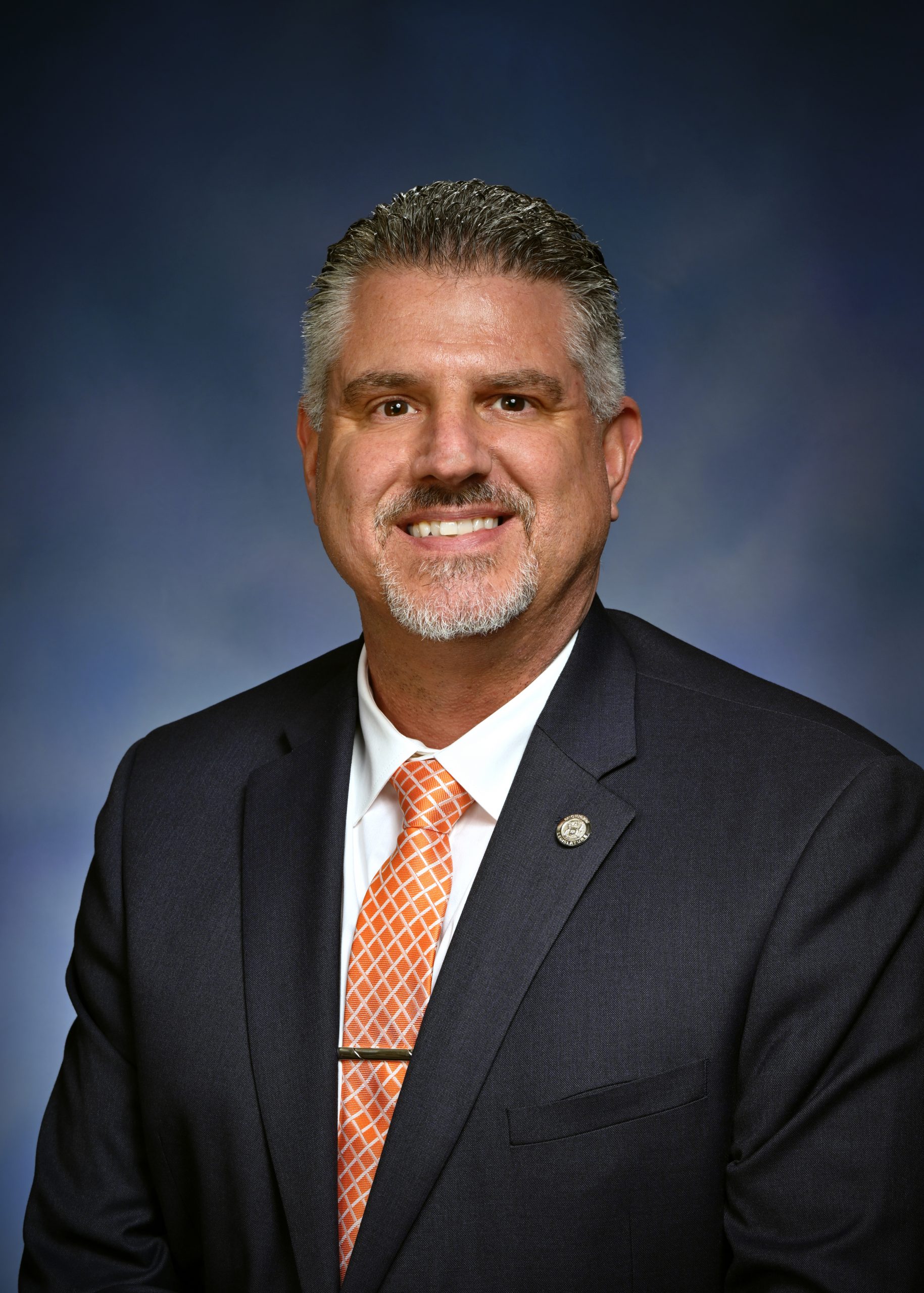
Rep. Mike Hoadley
Sponsored bills
Maddy summaryHouse Bill 4337 proposes to amend Michigan's code of criminal procedure. It specifically modifies section 16t of chapter XVII (MCL 777.16t), which pertains to sentencing guidelines. The bill aims to establish new sentencing guidelines for individuals convicted of bringing in and harboring certain undocumented persons. This change would directly affect those charged with this specific crime and the courts responsible for their sentencing.
Maddy summaryThis bill, HB 4313, proposes an amendment to Michigan's Income Tax Act of 1967. Its stated purpose is to provide a new individual income tax deduction for residents who live in a legislative district with a vacant seat. The provided bill text outlines the existing structure for calculating taxable income and various current deductions, but it does not include the specific language or mechanisms for the proposed deduction related to vacant legislative seats. Therefore, the details of how this deduction would be implemented are not available in this truncated text.
Maddy summaryHR 61 is a resolution that declares April 13-20, 2025, as Holy Week in the state of Michigan. It also extends best wishes to Christians in Michigan, the United States, and worldwide for a meaningful observance of Holy Week.
Maddy summaryHB 4185 changes how Michigan's general sales tax revenue is distributed. It directs 15% of the 4% sales tax to cities, villages, and townships through the Glenn Steil Revenue Sharing Act. Sixty percent goes to the state school aid fund (including all 2% tax from aviation fuel sales), while 27.9% of 25% from vehicle/fuel sales funds the transportation system. Additionally, it requires $9-12 million annually from computer software sales to the Michigan health initiative fund.
Maddy summaryHB 4184 increases Michigan's excise tax on aviation fuel from 3.10 cents to 4.00 cents per gallon. It directly affects fuel sellers, airlines, and airport operators by changing how this tax revenue is distributed. The bill modifies Section 203 of the Aeronautics Code to require 35% of the tax revenue to fund the state aeronautics fund and 65% to fund qualified airports. It also retains the 1.5-cent refund for airlines operating interstate flights and the exemption for fuel used in leaded racing fuel production.
Maddy summaryHB 4186 increases Michigan's business income tax rate from 4.95% to 30% for all business activity occurring on or after January 1, 2025. This rate change directly affects businesses operating within Michigan that are subject to the state's business tax, including those previously filing under the corporate income tax act. The bill amends sections 201 and 500 of the Michigan Business Tax Act (2007 PA 36) to implement this rate increase and adjust the tax base calculations for businesses. The change represents a significant policy shift in how Michigan taxes business income, effective in 2025.
Maddy summaryHB 4286 requires Michigan public schools to update health education curriculum standards by the 2026-2027 school year. It mandates specific content about human development, including an overview of pregnancy biology, fetal development inside the uterus, a 3-minute high-definition ultrasound video of early fetal organ development, and a computer-generated animation showing fertilization through birth. The bill directly affects Michigan public schools and the state Department of Education, which must revise curriculum standards to include these requirements. This is a concrete policy change to the health education curriculum, not a procedural or commemorative measure.
Maddy summaryHB 4278 designates the state of Michigan as the "Purple Heart State" to symbolically honor military service members wounded or killed while serving in the U.S. Armed Forces. It does not create new laws or affect any policies, programs, or individuals through concrete action - it is purely a symbolic gesture expressing gratitude. The bill’s sole mechanism is renaming the state for this purpose, as stated in its text: "This state is designated as a purple heart state to express gratitude and respect." The bill was introduced on March 20, 2025, and referred to committee, with no further action taken.
Maddy summaryHB 4170 permanently sets Michigan's individual income tax rate at 4.05% for all taxpayers, replacing a temporary 4.25% rate scheduled to take effect in 2024. It creates a mechanism where the rate could decrease further if state revenue growth exceeds inflation, requiring annual revenue reviews. The bill directly affects all Michigan residents who pay individual income tax. The change takes effect immediately for tax years beginning January 1, 2025, with the 4.05% rate now permanent unless triggered by the revenue growth condition.