

Maddy summaryHB 4254 prohibits public bodies (like state agencies, universities, or local governments) from using dogs in research or training activities that cause pain or distress. It specifically bans methods that would cause death, injury, fear, trauma, or invasive procedures (such as surgery), with exceptions for veterinary training with owner consent and routine procedures like spaying/neutering. The bill establishes civil fines of $1,000-$5,000 per dog per violation for noncompliance, enforced by county prosecutors or the attorney general. Named "Queenie's Law," it amends Michigan's Public Health Code to add these protections for dogs used in experimental purposes.
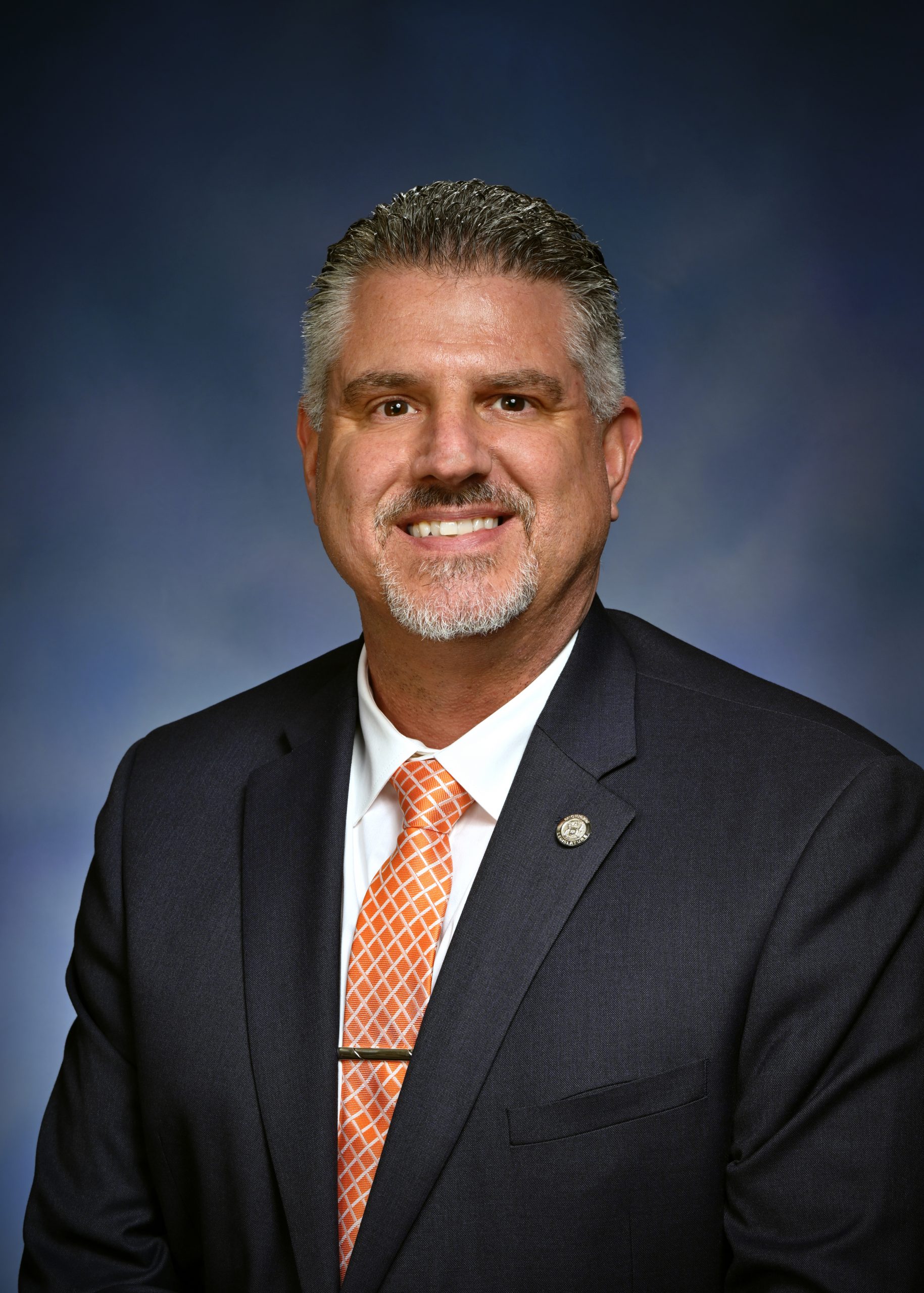
Rep. Mike Hoadley
Sponsored bills
Maddy summaryHB 4745 modifies Michigan's Charitable Organizations and Solicitations Act to expand exemptions from registration and reporting requirements. It exempts small charitable groups that raise under $25,000 annually through unpaid volunteers, individual relief efforts (like community fundraisers for named people), educational institutions, hospitals, veterans' organizations, and certain non-profits with specific tax statuses. The bill also adds requirements for some exempt groups, such as filing financial statements or using funds solely for stated charitable purposes. These changes directly affect local charities, community groups, and hospitals that previously faced registration burdens for smaller-scale fundraising.
Maddy summaryHB 4642 amends Michigan's campaign finance law to require the secretary of state to refer violations involving themselves, their immediate family, or a connected campaign to the attorney general for resolution. This change ensures that cases where the secretary of state is a party are handled by an independent office, avoiding potential conflicts of interest. The bill does not alter the secretary of state's authority over other campaign finance matters. It specifically clarifies the process for referring such cases to the attorney general under the existing law.
Maddy summaryHB 5148 prohibits local governments and towing companies from exchanging payments or fees to secure contracts for towing services. It bans local units from requiring tow companies to pay fees for responding to incidents (like accidents or disabled vehicles) and prevents tow companies from offering payments to governments to gain business. This directly affects local governments entering contracts with towing services and the towing companies themselves. The bill focuses on preventing conflicts of interest in towing contracts, not on altering traffic fine amounts (which are addressed in other sections of the vehicle code).
Maddy summaryHB 5149 prohibits motor vehicle repair facilities in Michigan from charging storage fees while a vehicle is under repair or during billing disputes. It requires facilities to provide customers with a written, itemized estimate before work begins, including all fees and charges, and bans exceeding that estimate without the customer’s written or oral consent. The bill specifically targets hidden storage fees (Section 7e(f)) and strengthens existing estimate requirements (Section 32), applying directly to repair shops and their customers. This policy change aims to prevent surprise charges and increase transparency in vehicle repair billing.
Maddy summaryHB 5147 establishes new rules for towing damaged or disabled vehicles in Michigan. It requires towing agencies to provide written disclosures before towing, including costs, storage location, and owner rights (Section 271), and to issue itemized final invoices detailing all charges and vehicle condition (Section 272). Towing companies must maintain records for five years and post disclosure information visibly (Sections 273-274). These rules directly affect towing businesses and vehicle owners, ensuring transparency before towing and during storage. Violations prevent agencies from charging fees or enforcing contracts (Section 271(6)).
Maddy summaryHB 5146 clarifies procedures for handling abandoned vehicles and towing services in Michigan. It defines "abandoned vehicle" more precisely (e.g., vehicles left on public property for 18+ hours with valid plates) and requires police to verify if a vehicle is stolen before towing. The bill mandates that owners receive written notice with details about the vehicle and their right to contest abandonment or towing fees within 20 days, including a $40 bond requirement for hearings. It also creates a public website listing abandoned vehicles for 1 year, affecting vehicle owners, towing agencies, and law enforcement.
Maddy summaryThis bill removes a requirement for Michigan school board members to formally accept their positions within 10 business days of election or appointment. Previously, newly elected or appointed members had to file acceptance with the school board secretary after being notified by the election coordinator. The change eliminates this step under Section 309 of the Michigan Election Law (MCL 168.309), simplifying the onboarding process. It directly affects all school board members elected or appointed across Michigan school districts.
Maddy summaryHB 4795 removes a requirement for intermediate school board members to file paperwork accepting their position. It amends Michigan's school code (MCL 380.861) to eliminate this administrative step. The bill directly affects individuals serving on intermediate school districts' governing boards. This change simplifies a procedural obligation without altering voting rights or substantive school governance.
Maddy summaryHB 4422 raises the fees that licensed liquor distribution agents must pay to the state for operating under the current system. It directly affects authorized liquor distributors who hold state licenses to handle and sell alcoholic beverages. The bill increases the existing fee structure outlined in MCL 436.1205 without altering distribution rules or requirements. This change applies immediately following the bill's passage, as noted in the House vote.