

Maddy summaryHB 5315 amends Michigan law to clarify when the Attorney General must intervene in court cases involving the state. It changes Section 28 of the Revised Statutes to require the Attorney General to intervene in state court cases when specifically requested by the Governor or either legislative chamber, rather than having discretion. This directly affects the Attorney General's office and state entities involved in civil or criminal cases where the state has an interest. The bill modifies existing procedure by making intervention mandatory upon request, streamlining the process for state representation in court. (Procedural bill; summary concise per guidelines.)
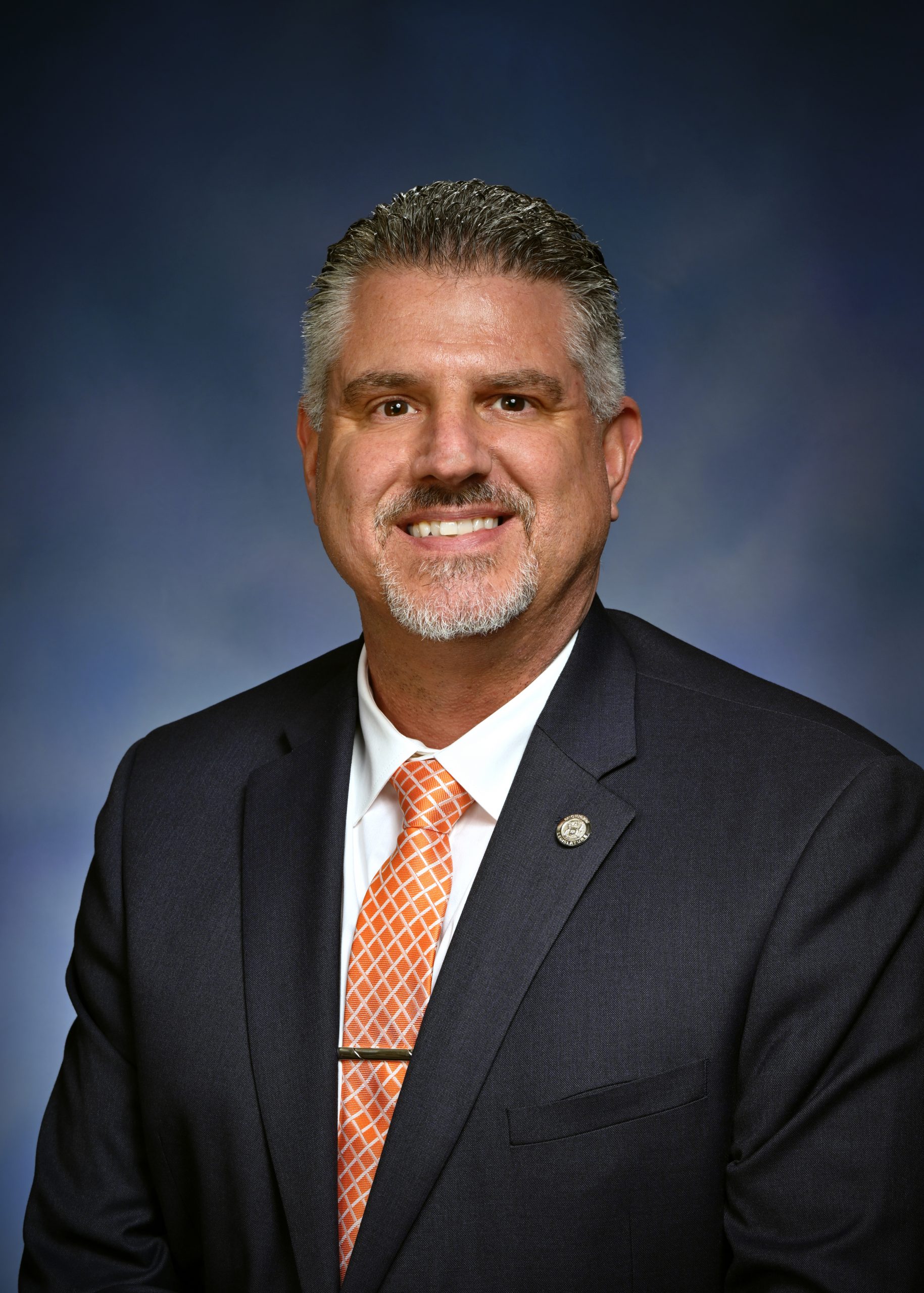
Rep. Mike Hoadley
Sponsored bills
Maddy summaryHB 5314 repeals a specific section (MCL 14.102) from an old 1919 law that required certain lawsuits brought by the Michigan Attorney General on behalf of the state to be filed in Ingham County circuit court. This procedural change eliminates the requirement for those cases to be filed in a specific county, allowing the Attorney General to file such lawsuits in appropriate courts as needed. The bill does not create new legal requirements or affect who can bring lawsuits; it only removes a historical jurisdictional rule. This is a straightforward procedural update with no direct impact on public employees, officers, or state operations.
Maddy summaryHB 5316 modifies Michigan's court venue rules for cases brought by the state's attorney general. It requires that lawsuits filed by the attorney general "in the name of the state" must be filed and tried in the county where the state government is headquartered (typically Ingham County, where Lansing is located). This change specifically applies to cases seeking relief for the state or its citizens, such as enforcement actions against businesses or public officials. The bill does not alter the substance of the cases but clarifies where they must be heard.
Maddy summaryHB 4980 amends Michigan's concealed pistol licensing law to allow applicants to file their license applications with *any* county clerk in the state where they reside, rather than requiring filing only in their county of residence. This change directly affects Michigan residents seeking concealed carry permits, simplifying the initial application process. The bill modifies Section 5b of the state's firearms licensing act (MCL 28.425b) to remove the residency county restriction, while maintaining all other requirements like fingerprinting, background checks, fees ($100), and training documentation. It does not alter eligibility criteria, fees, or processing timelines - only the location where applications must be submitted. The bill is pending in the Judiciary Committee as introduced on September 18, 2025.
Maddy summaryThis is a ceremonial resolution, not a law. It declares January 25-31, 2026, as "School Choice Week" in Michigan to recognize existing school choice options. The resolution acknowledges that many Michigan students attend public charter schools, private schools, or are homeschooled, but it creates no new policies or affects any specific groups through legal changes. It serves only as a symbolic observance.
Maddy summaryThis resolution declares January 18-24, 2026, as "Sanctity of Human Life Week" in Michigan. It encourages citizens to reflect on the value of human life, support women and families, and strengthen a "culture of life" through symbolic recognition. The bill does not create new laws, alter policies, or directly affect any specific group or program. It is a ceremonial declaration with no binding requirements or funding mechanisms.
Maddy summaryHB 5466 amends Michigan's Public Health Code to limit emergency orders restricting patient visitation in healthcare facilities to a maximum of 30 days after an epidemic declaration. It specifically requires that after this 30-day period, healthcare facilities must allow "LINDA" (loved individuals need dedicated attention) visitation for patients with cognitive impairments, including family members, patient advocates, or designated attorneys-in-fact. The bill establishes safety measures like prescreening or visit duration limits for these visitors while ensuring facilities maintain safe operations. This directly affects hospitals, assisted living facilities, and physician offices during public health emergencies.
Maddy summaryThis bill amends Michigan's 2001 Manufacturing Milk Law to explicitly permit the sale of raw milk and raw milk products under the existing regulatory framework. It directly affects dairy producers and sellers who currently cannot legally sell these items under the law's current restrictions. The key change adds new Section 70a and revises Sections 111 and 136 to allow such sales while maintaining the law's overall structure. The bill updates the legal language to align with current market practices without creating new safety standards or requirements.
Maddy summaryHB 4947 requires pharmaceutical manufacturers selling products containing ephedrine or pseudoephedrine in Michigan to join a national real-time tracking system (NPLEx) starting June 1, 2026. This bill directly affects manufacturers of these products, mandating they participate in the system to log retail sales. The key mechanism is the NPLEx, which tracks purchases to prevent diversion into methamphetamine production, with retailers already required to use it for sales. The bill amends Michigan’s Public Health Code (sections 7340a(6)) to extend this tracking requirement to manufacturers, not just retailers.
Maddy summaryHB 4774 amends Michigan's procurement rules for state contracts involving architects, engineers, and land surveyors. It requires state agencies to use a competitive, qualifications-based selection process - evaluating firms on expertise, experience, and past performance - rather than lowest-cost bidding for these services. The bill mandates publishing project details, ranking qualified firms, and negotiating contracts with the top-ranked firm, with limited waivers allowed for emergencies or projects under $250,000. This directly affects state agencies and qualified professional firms when procuring these services for public projects.