

Maddy summaryHB 4819 amends Michigan's election law to clarify that the secretary of state's office becomes vacant if they file for or are nominated for another elected or appointed public office. This directly affects the secretary of state, preventing them from holding that position while pursuing another office. The key provision adds a new reason for vacancy under section 82, requiring the secretary of state (or attorney general if the secretary's office is vacant) to notify the governor of the vacancy within 10 days. The bill makes no changes to existing vacancy reasons like death, resignation, or conviction.
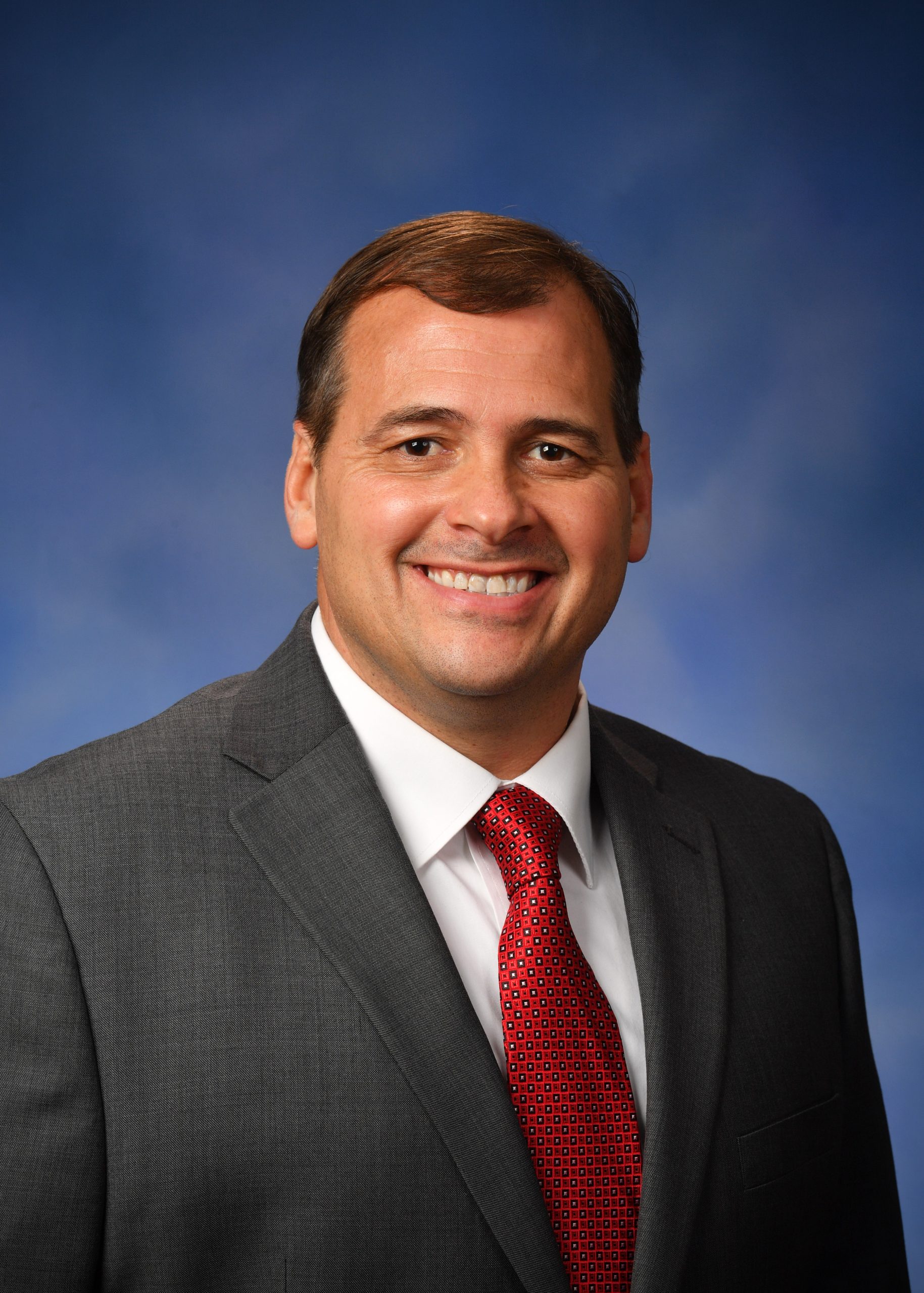
Rep. Timmy Beson
Sponsored bills
Maddy summaryHB 4048 adds a new sentencing guideline for distributing intimate deepfake sexual images with aggravating circumstances, classifying it as a Class F felony punishable by up to 3 years in prison. This directly affects individuals convicted of disseminating such deepfakes, particularly those with prior offenses under Michigan law. The bill amends sentencing guidelines in Chapter XVII of the Michigan Penal Code to specifically address this crime, establishing a clear penalty framework for courts to apply. It became effective immediately upon the Governor's approval on August 26, 2025.
Maddy summaryHB 4783 amends Michigan's Natural Resources and Environmental Protection Act to grant the Upper Peninsula Natural Resources Commission authority over fish management decisions in the Upper Peninsula. The bill transfers decision-making power from the state Department of Natural Resources to this regional commission for waters including Lake Superior, the St. Marys River, and all inland waters in the Upper Peninsula. Key provisions revise definitions and processes related to fish classification and management, specifically updating sections that govern trout streams and other water bodies. This change directly affects the commission's role in regulating fishing practices and protecting fish species within the designated Upper Peninsula waters.
Maddy summaryHB 4786 creates the Upper Peninsula Natural Resources Commission under Michigan's Natural Resources and Environmental Protection Act. The commission, appointed by the governor from lists provided by UP legislators, will make rules specifically about game and sport fish management that affect only the Upper Peninsula. Members serve two-year terms without pay but receive expense reimbursement. This bill requires three related bills (HB 4783, 4784, and 4785) to also pass before taking effect.
Maddy summaryThis bill would exempt certain ferry companies operating under municipal agreements from Michigan's water transportation rate regulations. Specifically, it modifies a 1921 law to clarify that ferry companies with formal agreements with municipalities can set their own rates and fares without needing state approval from the Department of State Police. The change directly affects ferry operators in cities that have formal contracts with them, removing the requirement to file schedules of rates with the state. This is a procedural adjustment to the existing regulatory framework, not a new policy.
Maddy summaryHB 4784 gives Michigan's Upper Peninsula Natural Resources Commission (UP Commission) new authority to manage wildlife specifically in the Upper Peninsula. It authorizes the UP Commission to establish the first hunting seasons for moose and wolves in the region, while requiring all decisions to follow scientific wildlife management principles. The bill also grants the UP Commission exclusive authority over game species that primarily affect the Upper Peninsula or have minimal impact outside the region. This change directly affects the UP Commission's management decisions, hunters pursuing moose or wolves in the UP, and wildlife conservation efforts focused on the Upper Peninsula. The law mandates public hearings and scientific review before implementing hunting regulations.
Maddy summaryHB 4785 creates the Upper Peninsula natural resources commission (UP commission) by amending Michigan's Natural Resources and Environmental Protection Act to define it as a new entity. The bill also amends section 40102 to authorize the UP commission to issue orders regarding deer or elk feeding, a specific wildlife management issue. This commission will provide a regional decision-making body for natural resource matters in the Upper Peninsula, particularly concerning wildlife impacts on local ecosystems. The bill is tied to three other related bills (HB 4784, HB 4786, and HB 4783), requiring all to pass together.
Maddy summaryHB 4781 amends Michigan's Whistleblowers' Protection Act to strengthen penalties for employers who retaliate against employees reporting violations. It increases the civil fine for violations from $500 to $2,000 per offense and requires employers to pay triple back wages to affected employees. The bill directly impacts workers who report wrongdoing (whistleblowers) and employers who retaliate, ensuring greater financial accountability. All collected fines must be deposited into the state general fund.
Maddy summaryThis bill designates a specific section of US-131 in Mecosta County as the "Sgt. Matthew Webber Memorial Highway" to honor a fallen service member. The legislation amends Michigan's highway naming laws by adding a new section that officially names the stretch of road between 11 Mile Road and Old State Road. This change affects only the official signage and legal designation of that roadway segment, with no changes to traffic rules or road maintenance responsibilities. The memorial name serves as a permanent tribute to Sgt. Webber within the state's transportation infrastructure.
Maddy summaryThis constitutional amendment (HJR K) proposes allowing either Michigan legislative house to suspend a member's salary or expense allowance by a two-thirds vote when the member acts unethically or is excessively absent from regular sessions. It amends Article IV, Sections 12 and 16 of the state constitution to establish this process, requiring the house to document the suspension reason in its journal with voting records. The change directly affects state legislators who face disciplinary action for misconduct or attendance issues. If approved, this would give legislative bodies a formal mechanism to withhold compensation for specific violations, rather than relying solely on expulsion.