

Maddy summaryThis bill requires K-5 teachers and literacy support staff in Michigan to complete specific professional training focused on reading and literacy instruction by the 2029-2030 school year. The legislation designates a single state-approved provider to deliver the training, which must cover evidence-based reading methods, assessment strategies, and a multitiered system of supports for addressing learning difficulties. School districts must report annual compliance data to the state department, which will publish public reports on implementation progress and recommend funding adjustments as needed. The training includes mandatory components on phonics, vocabulary, comprehension, and data-driven decision-making, with phased implementation beginning in the 2026-2027 school year.
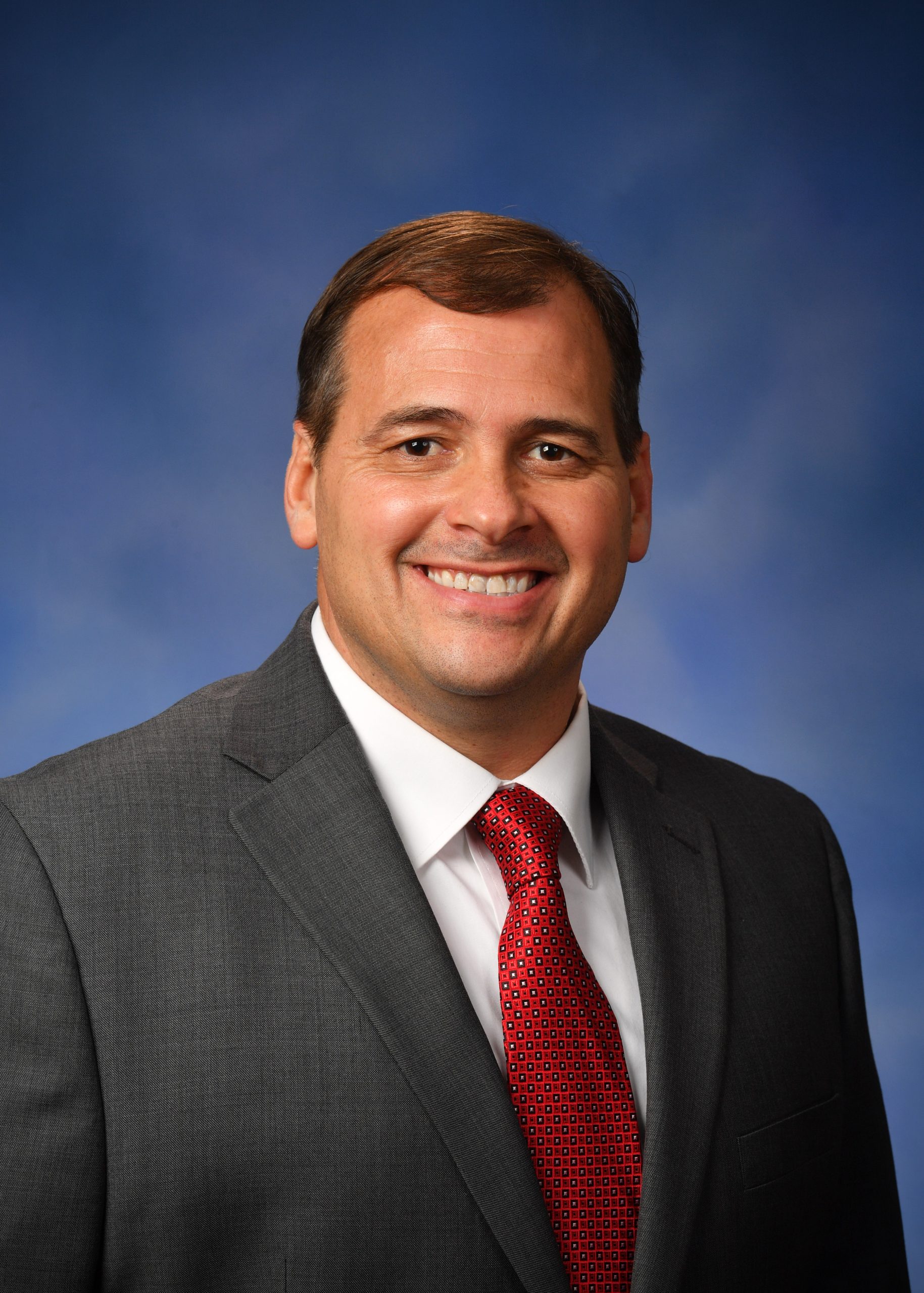
Rep. Timmy Beson
Sponsored bills
Maddy summaryHB 5570 would allow single exit stairways in small multi-family buildings (up to 4 floors above ground or 3 floors with an occupiable roof) under strict safety conditions. It applies to buildings with no more than 4 units per floor and 4,000 square feet per floor. Required safety features include fire alarms, smoke detectors in common areas (like hallways and laundry rooms), and sprinklers meeting NFPA standards. This change would affect housing developers building qualifying new or renovated apartment buildings.
Maddy summaryHB 5571 allows single interior exit stairways in multi-family apartment buildings with 4-6 levels (or 3-5 levels with an occupiable roof), directly affecting developers and builders of such structures. The bill requires buildings to have no more than 4 units per level, limit floor area to 4,000 sq ft per level, and ensure exit access travel is ≤125 feet from any point. Key safety provisions include mandatory smoke detectors in common areas (like hallways and laundry rooms), manual fire alarms, automatic smoke detection systems, and sprinklers meeting NFPA standards. It also mandates that the building’s fire department must be accredited by the Commission on Fire Accreditation International and hold a Class 1-2 public protection rating. The bill is contingent on HB 5570 passing into law.
Maddy summaryHB 5485 updates Michigan's dam safety regulations for inland lakes by revising definitions and adding new sections to the Natural Resources and Environmental Protection Act. The bill directly affects dam owners, operators, and the state agency responsible for dam safety oversight. Key changes include updated terms like "spillway capacity" and "emergency action plan," alongside new regulatory sections (e.g., 31506a, 31509a) to modernize safety standards. These amendments clarify requirements for dam maintenance, flood management, and structural integrity without altering existing enforcement procedures.
Maddy summaryHB 4189 names a specific bridge on South Grand Avenue over I-96 in Fowlerville as the "LCpl Michael W. Hanks Memorial Bridge" to commemorate a fallen Marine. The bill requires the state transportation department and Livingston County road commission to install signs at both approaches of the bridge designating its new name. This is a purely commemorative measure with no policy changes or financial impact, directly affecting the bridge location and signage in Fowlerville. It amends Michigan's Memorial Highway Act to add this designation without altering transportation policies or funding.
Maddy summaryHB 4644 allows villages, cities, and townships with populations under 30,000 (based on the 2010 census) to permit golf cart operation on local streets and county roads, subject to specific safety rules. Key provisions include requiring operators to be at least 16 years old with a valid driver’s license, limiting speed to 15 mph, prohibiting operation on sidewalks or during nighttime (30 minutes before sunset to 30 minutes after sunrise), and requiring registration without fees. County boards may block golf cart use if safety or environmental concerns are proven after a public hearing. The bill also establishes procedures for local units to request limited golf cart access on state highways under specific conditions, such as connecting tourist areas or crossing natural barriers.
Maddy summaryHB 4062 restricts lobbying by former Michigan state legislators to prevent potential conflicts of interest. It prohibits former senators or representatives from engaging in paid lobbying activities for two years after leaving office, specifically banning them from spending money or receiving compensation for lobbying that meets the threshold requiring lobbyist registration. The law applies to legislators whose term began on or after January 1, 2025, and violations are punishable by a misdemeanor fine of up to $1,000 or 90 days in jail. This bill directly affects former lawmakers seeking to lobby government officials, aiming to limit immediate post-office influence in policy decisions.
Maddy summaryHB 4064 prohibits Michigan state senators and representatives from receiving extra pay (beyond their regular salary) for directly communicating with government officials to influence legislative or administrative decisions. It specifically bans compensation for lobbying activities involving officials in Michigan's executive or legislative branches, or similar officials in other state or local governments. Violating this rule is a misdemeanor punishable by up to 90 days in jail, a $1,000 fine, or both. The bill amends Michigan's ethics law (MCL 4.411-4.431) and takes effect January 1, 2026.
Maddy summaryHB 4063 prohibits former governors, lieutenant governors, and heads of major state departments from accepting payment or reimbursement for lobbying if their activities exceed the threshold requiring lobbyist registration. This 2-year restriction applies to officials whose terms begin on or after January 1, 2025. Violating the ban carries penalties of up to 90 days in jail or a $1,000 fine. The bill targets high-level former officials to limit potential conflicts of interest after leaving public office.
Maddy summaryHB 4750 requires Michigan's foster care department to use or save existing benefits (such as Medicaid or education funds) for children in foster care when it serves their best interests, directly affecting all children in the state's foster care system. The bill amends Michigan's foster care law to mandate this approach, ensuring benefits are prioritized for the child's well-being rather than other uses. Key provisions include adding a new section (8f) to the existing law, directing the department to make decisions based on each child's specific needs. This policy change clarifies how resources must be managed without specifying new funding or programs.