

Maddy summaryHB 4051 amends Michigan's individual income tax law to increase the deduction limit for retirement and pension benefits. It establishes a $42,240 annual deduction for single filers and $84,480 for joint filers on retirement income (previously higher limits existed but were not explicitly capped), with these amounts automatically adjusted each year based on the Consumer Price Index. The bill directly affects Michigan taxpayers receiving retirement benefits by allowing them to deduct a larger portion of that income from their taxable income. This change modifies existing tax code provisions to provide a clearer, inflation-adjusted deduction threshold for retirement income.
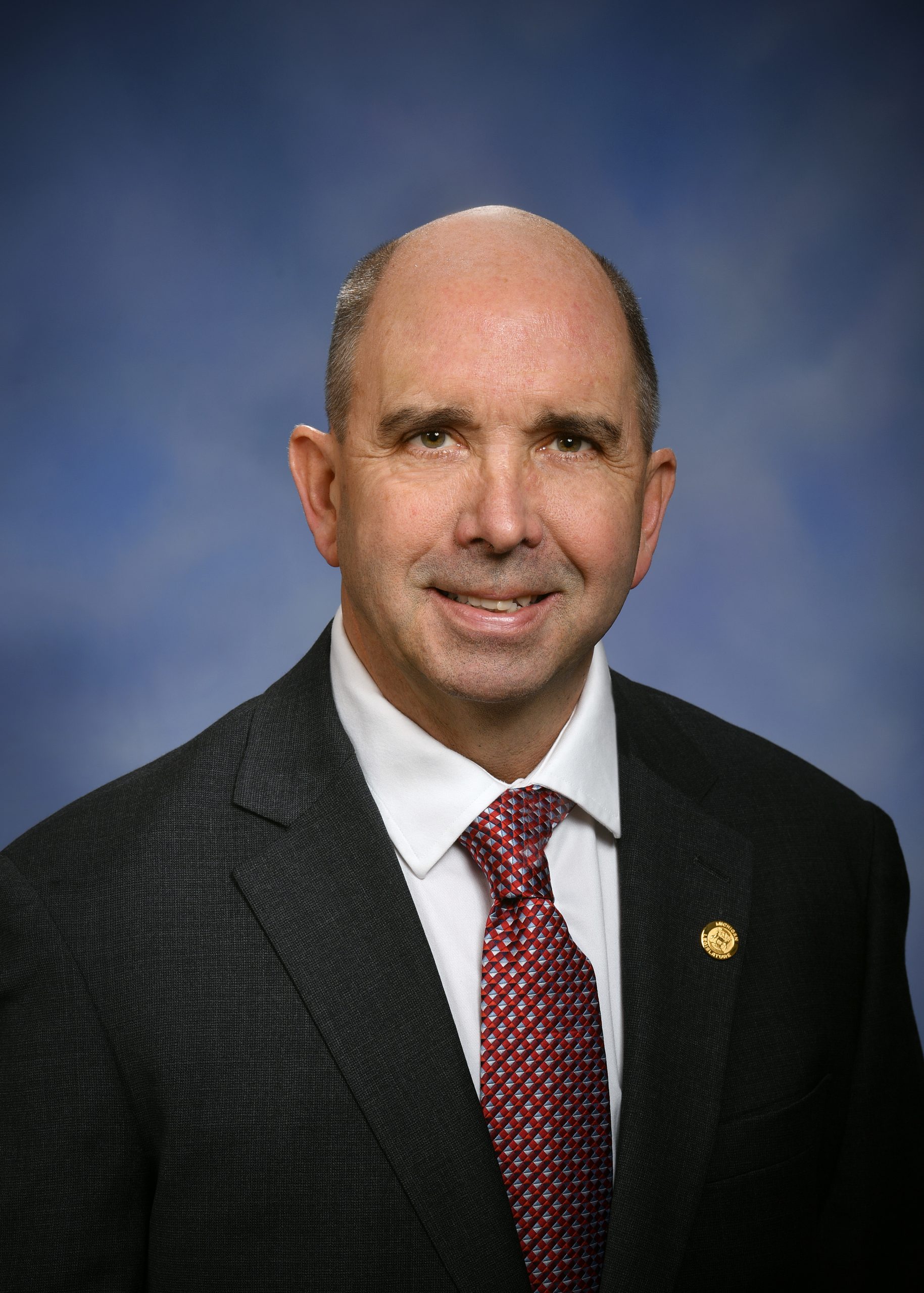
Rep. Jerry Neyer
Sponsored bills
Maddy summaryHB 4050 amends Michigan's Right to Farm Act to clarify standards for egg-laying hen operations in residential areas. It requires farms to follow "generally accepted agricultural and management practices" (GAAMPs) for odor, waste, and animal care, with complaint investigations requiring on-site inspections within 7 business days. If a farm uses GAAMPs, complaints are dismissed; if not, the farm must submit a 30-day implementation plan for changes. The bill also blocks local ordinances from imposing stricter rules than state GAAMPs, except when cities propose alternative standards after public review and state approval. This directly affects egg farms operating near homes and shapes how communities address farm-related complaints.
Maddy summaryHB 4015, the "Cash for Tolls Act," requires state and local governments to accept cash payments for tolls on public infrastructure like bridges, highways, and tunnels they own or operate. It mandates that cash must be accepted as a payment option and prohibits requiring electronic payments (like credit cards) instead. The bill applies only to tolls on publicly managed infrastructure, excluding privately owned toll roads. This change directly affects drivers who pay tolls with cash and public toll operators who must adjust their payment systems. The bill is currently in committee after being introduced on January 14, 2025.
Maddy summaryHB 4016 designates May of each year as "Huntington's Disease Awareness Month" in Michigan. This symbolic resolution aims to raise public and medical awareness about Huntington's disease, which affects thousands of Michiganders and has no cure. It does not create new funding, regulations, or policy changes - it simply aligns Michigan with national recognition efforts for this progressive neurological condition. The bill was introduced in January 2025 and referred to committee for further review.
Maddy summaryHB 4006 amends Michigan's zoning law to prevent local governments from banning weddings or similar events in barns or farm facilities located in agricultural zones. It directly affects farmers and rural property owners who host commercial events, allowing them to use agricultural land for this purpose without zoning restrictions. The bill permits reasonable regulations like noise limits, traffic management, or operating hours but prohibits outright bans on the event use. This change would apply to existing zoning ordinances under Michigan's zoning enabling act (MCL 125.3101-125.3702). The bill is currently in committee review after its January 2025 introduction.
Maddy summaryThis bill requires public and nonpublic schools in Michigan to adopt and implement a standardized plan for response terminology starting in the 2026-2027 school year. The law mandates that school boards and directors use consistent language when communicating about safety incidents to ensure clarity across the education system. However, the bill does not take effect unless it is passed together with a companion bill, HB 4096.
Maddy summaryThis bill designates a specific stretch of Interstate 94 in Wayne County as the "Corporal Mohamed Said Memorial Highway." The designated section runs between Oakwood Boulevard and Outer Drive W. By adding this new section to the Michigan Memorial Highway Act, the legislation officially names the road in honor of Corporal Mohamed Said.
Maddy summaryThis bill creates a new Office of Tribal Legislative Liaison within Michigan's Legislative Council to strengthen government-to-government relationships between the state legislature and federally recognized tribes. The office will be led by a liaison appointed by the council from a list provided by the United Tribes of Michigan, who will be supported by at least two policy advisors. Key duties include visiting each tribe annually, advising lawmakers on how proposed legislation impacts tribal communities, and providing mandatory training for legislators on tribal history and consultation processes. Additionally, the office must submit an annual public report detailing tribal concerns raised during the legislative process to the governor and legislative leaders.
Maddy summaryThis bill requires the Michigan State Police to create a standardized set of response terms and a color-coding system for schools by July 1, 2026. The new rules will guide how public and nonpublic schools, along with local law enforcement, communicate during specific incidents occurring on school property. By establishing a uniform language and visual code, the legislation aims to improve coordination between schools and police when handling emergencies.
Maddy summaryThis bill expands legal protections for individuals who voluntarily provide emergency bleeding control, such as using pressure, dressings, or tourniquets, to people in medical distress. It states that these individuals cannot be sued for damages resulting from their actions unless they act with gross negligence or willful misconduct. The law applies to anyone without a pre-existing duty to help who responds in good faith to an emergency situation. This change aims to encourage bystanders to assist with life-saving bleeding control measures without fear of civil liability.