

Maddy summaryThis bill modifies the appeal process for landowners and local governments in Michigan who disagree with how benefits are allocated for drain projects. It extends the time limit for filing appeals from 10 days to 60 days after a review and requires individuals to post a financial bond when requesting a court-appointed review board. The legislation also clarifies which officials can file appeals on behalf of counties, cities, townships, and villages. These changes affect drainage district owners and municipal leaders by giving them more time to challenge benefit apportionments and outlining specific steps for requesting a judicial review.
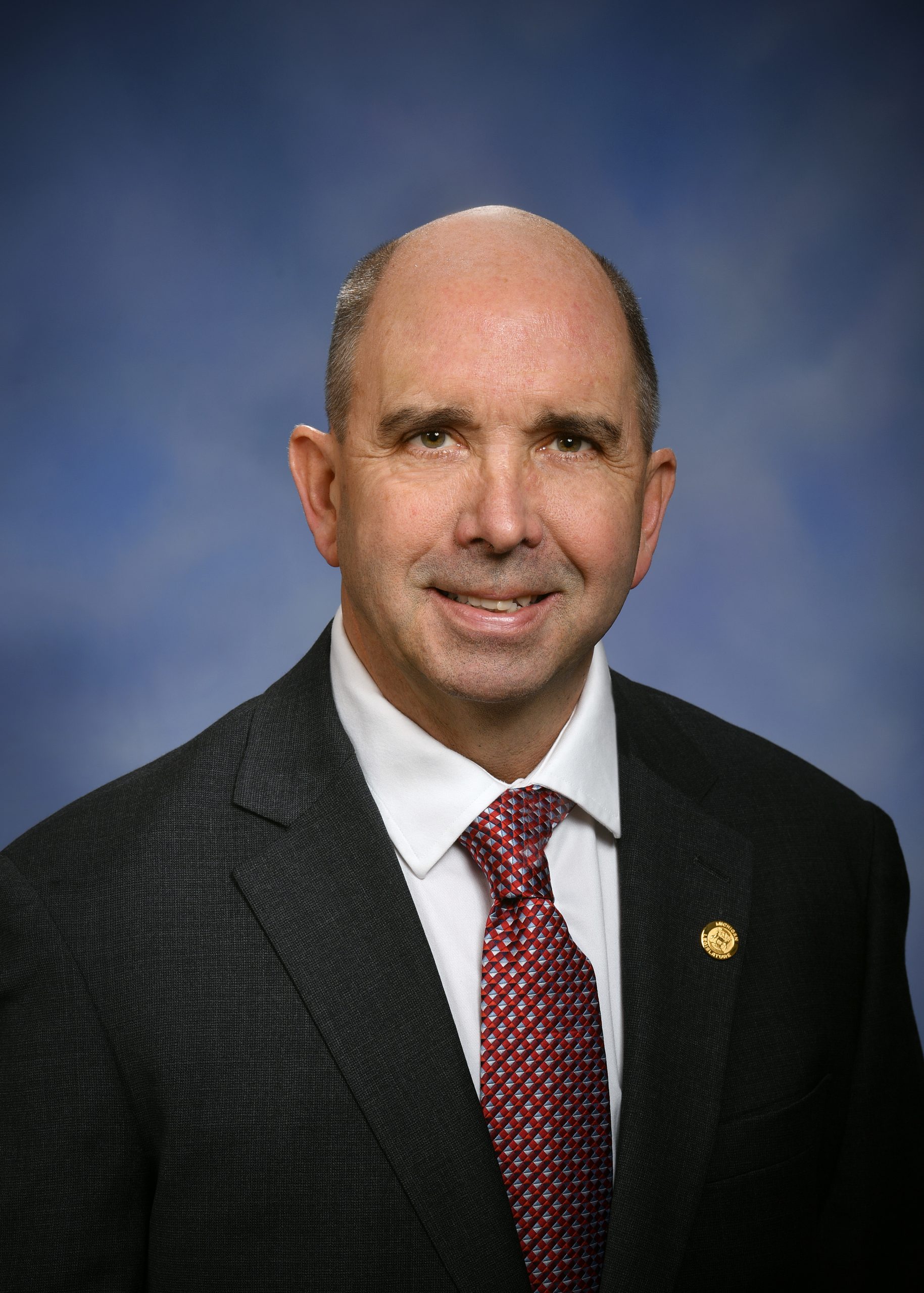
Rep. Jerry Neyer
Sponsored bills
Maddy summaryThis bill creates new lifetime hunting and fishing licenses specifically for disabled veterans in Michigan, effective July 1, 2027. The licenses are priced based on the veteran's disability rating, ranging from free for those rated 100% disabled to $100 for those rated 30% or more but less than 50% disabled. These lifetime licenses include all standard hunting and fishing privileges, such as deer, waterfowl, turkey, and fishing rights, and remain valid even if the veteran moves out of state. The bill also updates definitions for disabled veterans and resident status within the Natural Resources and Environmental Protection Act.
Maddy summaryHB 5450 amends Michigan's Food Law to prohibit local governments (counties, cities, villages, or townships) from charging fees, taxes, or assessments for the operation of mobile food establishments, such as food trucks. This directly affects food truck operators by eliminating an additional cost imposed by local jurisdictions. The bill achieves this by modifying Section 3113 of the Food Law to explicitly ban such fees, while still requiring compliance with state-mandated fire inspections and licensing under existing regulations.
Maddy summaryHB 5451 requires food trucks (mobile food establishments) to undergo annual fire inspections and additional inspections after significant modifications to fire safety systems, such as kitchen equipment or fuel piping. It creates a public database tracking these inspections and mandates that operators notify fire inspectors within 30 days of license applications or modifications. The bill specifies that inspections must comply with the International Fire Code, with results valid for one year (limiting inspections to once annually unless safety concerns arise). This directly affects food truck operators, who must pay a $200 maximum fee for annual inspections but receive no charge for additional safety-related checks.
Maddy summaryHB 5383 amends Michigan's Insurance Code (MCL 500.4705) to establish a new regulatory framework for "Special Purpose Financial Companies" (SPFCs), which are specialized insurance entities created to insure risks for a single counterparty (typically a parent company). The bill requires SPFCs seeking to operate in Michigan to obtain a limited certificate of authority by meeting specific criteria, including maintaining a Michigan principal office, holding annual management meetings in-state, designating a Michigan resident agent, and submitting detailed documentation about their insurance securitization transactions and financial plans. Key provisions mandate that SPFCs only cover risks of their designated counterparty, provide stress-case financial projections, and undergo review by both the Attorney General's office and the Insurance Commissioner. This bill directly affects companies forming SPFCs for risk management and their parent companies, creating a structured pathway for these entities to operate under Michigan law.
Maddy summaryThis bill creates a new corporate income tax credit for Michigan employers who train apprentices and employ students in career and technical education programs. Starting in 2026, eligible businesses can receive tax credits covering up to 50% of certain training expenses or $2,000 per apprentice or student, with small businesses under 50 employees receiving an additional 10% bonus credit. The credit applies to qualified expenses such as wages, benefits, and classroom instruction costs, and any unused portion can be refunded to the taxpayer. Additionally, the bill requires the state Department of Labor to annually report on program participation, employment outcomes, and the fiscal impact of the credits to legislative committees.
Maddy summaryThis bill requires the Michigan Department of Natural Resources to notify local officials and neighboring property owners before clear-cutting more than 5 acres of forest for non-forestry purposes. The department must provide written notice detailing the site location, intended use, and clear-cutting costs at least 10 business days before proceeding, unless an emergency exists. Additionally, the bill mandates public notice on the department's website and in a local newspaper, allowing at least 5 days for public comment, followed by a written summary of responses posted online. These provisions apply specifically to state forest lands and aim to increase transparency and community involvement in deforestation projects.
Maddy summaryThis bill amends Michigan's ethics law to allow certain local government employees and officers to hold additional public positions without violating conflict-of-interest rules. It specifically permits county officials and township employees to serve on boards of various development authorities, including tax increment finance and downtown development boards, as well as housing commissions and land banks. The legislation also clarifies that officials in smaller communities (under 40,000 population) can serve as emergency medical personnel or public safety officers without conflict, and allows school board members to volunteer as extracurricular coaches under specific conditions. These changes aim to provide more flexibility for local government workers to contribute to community development and public safety initiatives while maintaining ethical standards.
Maddy summaryHB 4593 prohibits dentists from representing themselves as a "dental specialist" or claiming specialization in specific dental areas without proper certification. This bill directly affects dentists who may use such titles in their practice or marketing. It amends Michigan law (MCL 333.16608) to add this restriction, making it illegal to use these terms under certain circumstances without meeting defined qualifications. The bill focuses on preventing misleading claims about specialty expertise in dental care.
Maddy summaryHB 4594 bans Michigan dentists from using the title "dental specialist" by amending state law (MCL 333.16605). This directly affects dentists who currently use or might seek to use that title, as it removes it as an allowable designation under the law. The bill's key provision eliminates the existing legal allowance for the term, requiring dentists to use only standard titles like "dentist" or recognized specialty designations (e.g., orthodontist). The bill is pending in committee after being referred to the Health Policy Committee and reported with a substitute.