

Maddy summaryHB 4081 allows counties and municipalities in Michigan to set higher limits than the current state cap on the number of separate land parcels created when dividing a single property. It amends state law (MCL 560.108) that previously limited most land divisions to 12 parcels. The bill directly affects local governments, developers, and property owners by giving communities more flexibility to manage land use and development density. This change removes the state-imposed cap, enabling local authorities to establish their own parcel limits based on community needs.
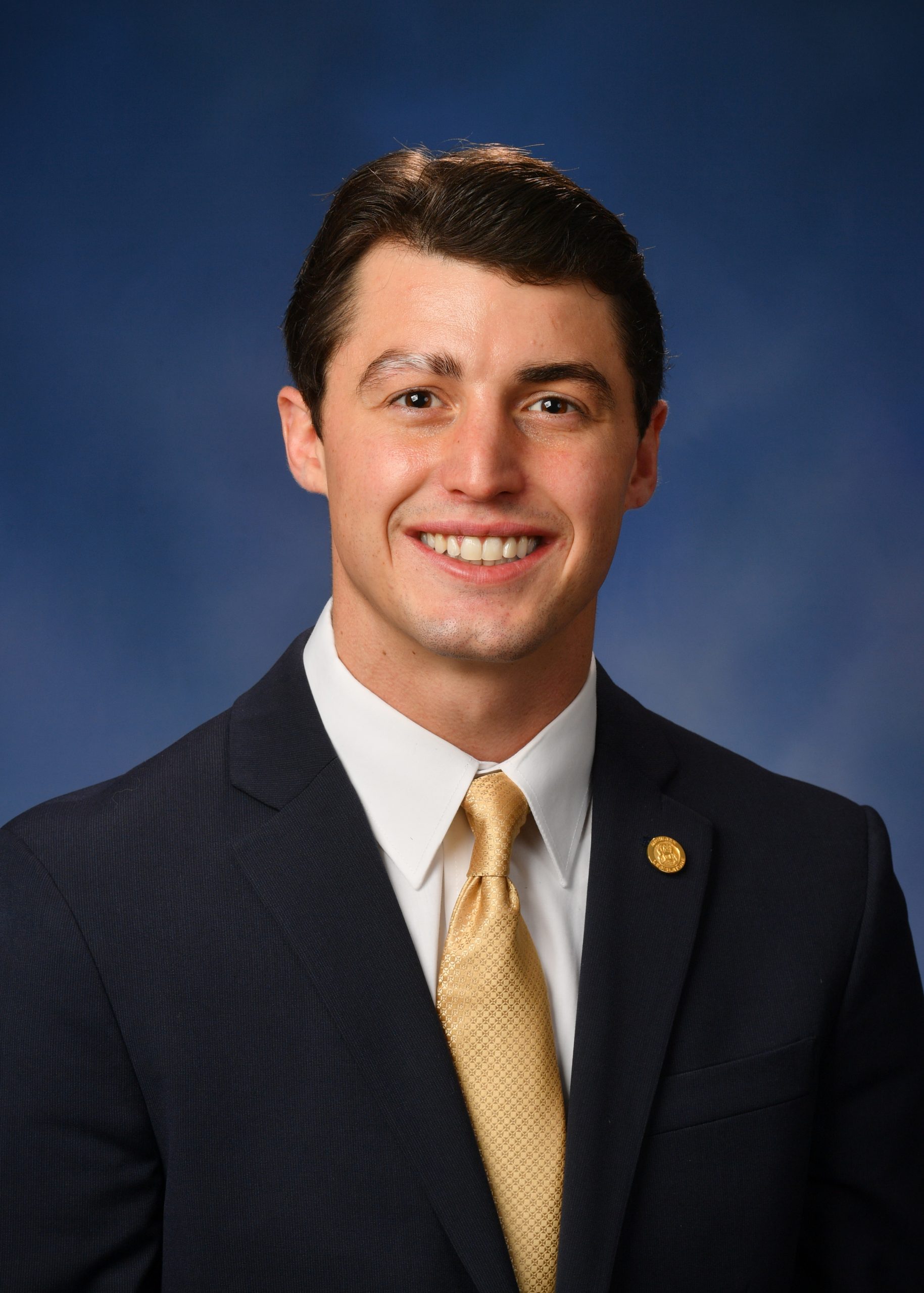
Rep. Pat Outman
Sponsored bills
Maddy summaryHB 4748 prohibits interference with lawful hunting or fishing in Michigan by banning specific disruptive acts. It explicitly forbids using devices like drones to alter animal behavior, blocking hunters, recording individuals with intent to harass, or tampering with equipment. Violations carry fines up to $2,500 or up to one year in jail for repeat offenses, plus potential revocation of hunting/fishing licenses. This law directly affects hunters, anglers, and anyone engaging in activities that disrupt others’ lawful wildlife pursuits.
Maddy summaryHB 4390 expands Michigan's vehicle code to allow testing of oral fluid (such as saliva) for controlled substances, alongside blood, breath, or urine, when determining impairment. It directly affects commercial drivers who refuse chemical tests for controlled substances or alcohol while operating commercial vehicles. The bill adds a new definition of "other bodily fluid" to include oral fluid and creates a process for "preliminary oral fluid analysis" conducted by certified experts at the scene. This change updates existing suspension rules for commercial drivers who refuse testing, ensuring consistent enforcement for controlled substances alongside alcohol. The policy change specifically targets commercial motor vehicle operators who decline chemical tests for drugs or alcohol.
Maddy summaryHB 4391 expands Michigan's vehicle code to allow law enforcement to test for intoxication using other bodily fluids beyond blood or breath, such as urine or saliva. It directly affects drivers suspected of operating a vehicle while impaired, updating sections 625a, 625c, and 625g of the 1949 Michigan Vehicle Code (MCL 257.625a et seq.). The bill amends existing testing methods to include these additional fluids, providing more flexibility for officers during DUI investigations. The bill passed the Michigan House on July 17, 2025, with immediate effect.
Maddy summaryHB 4367 creates Michigan's "Purple Star School Program" to support military-connected students in public schools. It requires schools to designate a military liaison, maintain an easily accessible website with relocation and support resources, implement transition programs for military-connected students, provide staff training, and offer at least one community initiative like monthly recognition or military partnerships. The program applies to all public schools serving military-connected pupils, defined as students whose families include active/reserve military members or those who lost a service member in action. Schools must meet all these requirements to earn the "Purple Star" designation by 2026. The law aims to improve support systems for military-connected students through concrete, school-level actions.
Maddy summaryHB 4426 amends Michigan's Motor Carrier Safety Act (MCL 480.12d) to set a minimum age of 21 for drivers transporting hazardous materials requiring placards under federal rules. It maintains the existing 18-year-old minimum for most commercial driving but specifically raises the age requirement for hazardous materials transport. The bill does not change medical waiver or grandfathered driver provisions. This change directly affects commercial drivers operating in Michigan who transport hazardous materials requiring placards.
Maddy summaryHB 4655 prohibits Michigan state departments or licensing boards from requiring implicit bias training as a condition for health professional licensure or license renewal. The bill directly affects licensed healthcare workers (like nurses, doctors, and therapists) who would otherwise need to complete such training to obtain or maintain their licenses. It achieves this by amending Michigan's Public Health Code to add Section 16149, which bans the enforcement of rules mandating this training, and by rescinding a related section of the Michigan Administrative Code (MCL 338.7004). The bill removes a potential requirement for healthcare professionals seeking initial licensure or renewal.
Maddy summaryHB 4647 amends Michigan's sentencing guidelines for crimes against animals by revising Section 41 of the Code of Criminal Procedure (MCL 777.41). The bill directly affects individuals convicted of animal cruelty offenses in Michigan, as it changes the sentencing rules applied to these cases. It updates the existing sentencing framework for animal-related crimes without specifying new penalties or procedures in the provided text. The bill was introduced on June 12, 2025, and referred to the Judiciary Committee. This is a procedural amendment to the state's criminal sentencing structure.
Maddy summaryHB 4434 repeals outdated sections of Michigan's 1927 criminal procedure code that permitted one-person grand juries. This removes archaic provisions (specifically sections 3, 4, 5, 6, 6a, and 6b of Chapter VII) from the law, eliminating historical rules about grand jury composition. The bill directly affects the legal framework governing grand jury procedures in Michigan by removing these obsolete provisions. It does not create new requirements or impact current court operations, as these rules were no longer in use.
Maddy summaryHB 4246 enacts Michigan's participation in the Nurse Licensure Compact, allowing nurses licensed in Michigan to practice in other participating states without obtaining separate licenses. The compact establishes mutual recognition of nursing licenses across states, facilitating easier interstate practice for registered and licensed practical nurses. It includes mechanisms for sharing information about nurse licensure and disciplinary actions to maintain public safety and consistent practice standards. This bill directly affects nurses seeking to work across state lines and the Michigan Board of Nursing, which will implement the compact's requirements.