

Maddy summaryHB 5313 modifies Michigan's licensing rules for health professionals by removing certain disciplinary records from public view and adjusting continuing education requirements. It directly affects licensed healthcare workers (like nurses, doctors, and therapists) by changing how past disciplinary actions are handled and what training they must complete. Key provisions include adding new sections (16211a and 16231b) to limit public access to some disciplinary records, updating continuing education standards, and modifying sanctions for violations. The bill focuses on administrative changes to licensing processes without altering core professional standards or creating new funding.
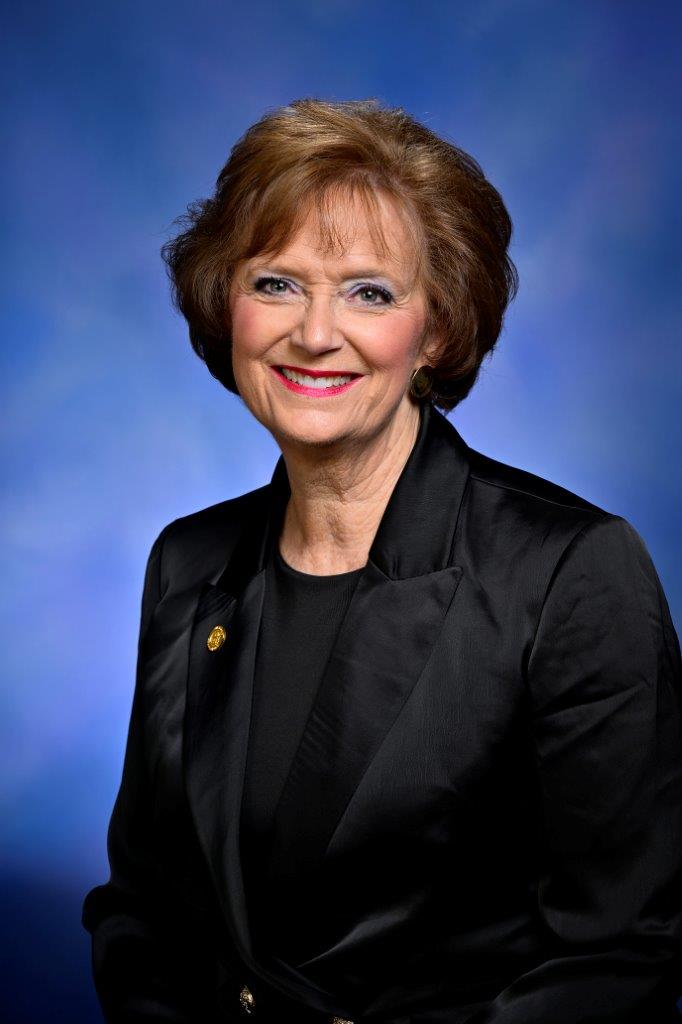
Rep. Nancy DeBoer
Sponsored bills
Maddy summaryHB 4141 would have required Michigan school districts and public school academies to create a formal policy governing student use of wireless communication devices (like cell phones) in schools. The bill aimed to mandate that school boards establish clear rules for when and how such devices could be used during the school day. This proposed policy would directly affect students, teachers, and school administrators across participating schools. The bill was defeated in a 2025 vote (53-45) and did not become law.
Maddy summaryHB 4307 allows physicians and optometrists to voluntarily report patients with medical conditions affecting driving safety (like seizures, vision impairment, or loss of consciousness) to Michigan's Secretary of State. It specifies that for regular driver's licenses, doctors may recommend a minimum 6-month suspension, and for commercial licenses, a minimum 12-month suspension. The bill provides legal immunity to healthcare providers who report in good faith and document their concerns, protecting them from liability claims. This change modifies existing law to clarify reporting procedures and encourage safety-focused disclosures without making reporting mandatory.
Maddy summaryHB 4306 modifies Michigan's driver license suspension rules to prevent automatic license revocation for individuals who experience an epileptic seizure while driving. The bill creates a specific exception under state law, allowing affected drivers to retain their licenses if they provide medical documentation confirming the seizure was not caused by negligence or a preventable condition. This change directly impacts people with epilepsy who have a documented medical history related to seizures, ensuring their driving privileges are not automatically suspended following such incidents.
Maddy summaryThis resolution symbolically declares February 2026 as American Heart Month and February 6, 2026, as National Wear Red Day within Michigan. It aims to raise public awareness about heart disease - particularly its disproportionate impact on women, including Black and Hispanic women - and encourages actions like learning heart health risk factors. The resolution does not create new laws or obligations; it is a non-binding declaration to support existing awareness efforts like the American Heart Association's "Go Red for Women" campaign. It directly affects Michigan residents through state recognition of these national observances.
Maddy summaryThis resolution declares January 18-24, 2026, as "Sanctity of Human Life Week" in Michigan. It encourages citizens to reflect on the value of human life, support women and families, and strengthen a "culture of life" through symbolic recognition. The bill does not create new laws, alter policies, or directly affect any specific group or program. It is a ceremonial declaration with no binding requirements or funding mechanisms.
Maddy summaryThis bill amends Michigan's 2001 Manufacturing Milk Law to explicitly permit the sale of raw milk and raw milk products under the existing regulatory framework. It directly affects dairy producers and sellers who currently cannot legally sell these items under the law's current restrictions. The key change adds new Section 70a and revises Sections 111 and 136 to allow such sales while maintaining the law's overall structure. The bill updates the legal language to align with current market practices without creating new safety standards or requirements.
Maddy summaryHB 4692 creates a new license for "secondary school facilities" that provide cosmetology training in separate classroom settings, directly affecting cosmetology schools and their associated training locations. These facilities must not offer public services or contain equipment like hair-drying chairs, must be staffed by licensed instructors with 3+ years' experience, and require detailed floor plans and department inspections. License holders must display their license and instructor credentials visibly, and the license becomes void if ownership changes or the location shifts, requiring a new application. The bill also mandates the department to create implementing rules within 18 months of enactment.
Maddy summaryHB 4486 prohibits Michigan municipalities from banning natural gas use or the installation of natural gas infrastructure, directly affecting cities, towns, counties, and townships. The bill makes any local ordinance, resolution, or policy that restricts natural gas use or infrastructure void and unenforceable starting from its effective date. It specifically targets bans on residential, commercial, or industrial natural gas applications and related infrastructure like pipelines. This legislation ensures that local governments cannot block natural gas services or new installations within their jurisdictions.
Maddy summaryHB 5051 amends Michigan's law to allow trained law enforcement officers and firefighters to administer epinephrine auto-injectors to individuals experiencing severe allergic reactions (anaphylaxis), even without a prescription or prior allergy diagnosis. It requires responders to complete training on proper administration and permits eligible entities (like police departments or fire stations) to purchase and distribute epinephrine devices to their staff. The bill provides legal immunity from civil liability for entities and responders acting in good faith, unless their conduct involves gross negligence or willful misconduct. This directly affects first responders who may use the devices during emergencies and individuals suffering acute allergic reactions.