

Maddy summaryHB 4059 exempts specific baby and toddler items from Michigan's use tax, meaning parents won't pay tax when purchasing these products. The bill adds 15 categories to the tax exemption list, including cribs, strollers, safety gates, breast pumps, bottles, diapers, and clothing accessories designed for infants or toddlers. It also defines detailed terms like "breast pump collection supplies" to clarify which products qualify for the exemption. This directly affects parents and caregivers buying essential infant products, making them tax-free at point of sale.
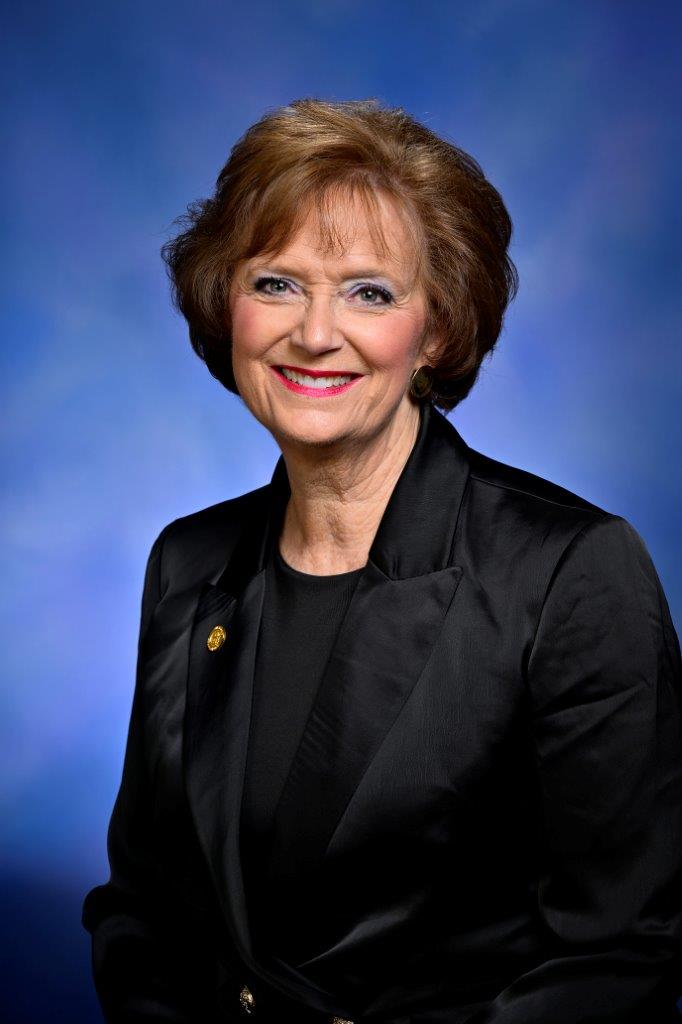
Rep. Nancy DeBoer
Sponsored bills
Maddy summaryHB 4056 creates Michigan's Child Care Savings Program, allowing residents to open tax-advantaged savings accounts for child care costs. Account holders can deduct contributions from their state income tax and withdraw funds penalty-free to cover eligible child care expenses for children under 14. To claim deductions, account holders must submit receipts for care costs, account statements, and financial institution forms with their tax returns. The program, effective January 2026, requires documentation but does not obligate financial institutions to track account usage or verify eligibility. It directly affects Michigan parents or guardians paying for child care for qualifying children.
Maddy summaryHB 4001 updates Michigan's minimum wage schedule, setting new rates that increase to $12.00 per hour starting February 21, 2025, and reaching $15.00 by 2029. It replaces the previous 2018 law (PA 337) and adds an annual adjustment mechanism: starting in 2019, the wage will rise each January based on Midwest-region inflation data, capped at 3.5% per year. The bill also modifies youth wage rules, allowing employers to pay new workers under 20 a training rate of 75% of the minimum wage for their first 90 days, while prohibiting displacement of existing workers to hire at this lower rate. This directly affects all hourly workers in Michigan covered by state minimum wage laws, including young workers and employers subject to wage requirements.
Maddy summaryHB 4015, the "Cash for Tolls Act," requires state and local governments to accept cash payments for tolls on public infrastructure like bridges, highways, and tunnels they own or operate. It mandates that cash must be accepted as a payment option and prohibits requiring electronic payments (like credit cards) instead. The bill applies only to tolls on publicly managed infrastructure, excluding privately owned toll roads. This change directly affects drivers who pay tolls with cash and public toll operators who must adjust their payment systems. The bill is currently in committee after being introduced on January 14, 2025.
Maddy summaryThis bill amends Michigan's school safety laws to rename the existing School Safety Commission to the School Safety and Mental Health Commission, effective January 1, 2025. The legislation establishes a new commission within the Department of State Police and outlines a specific process for appointing its members, including representatives from law enforcement, education, mental health, special education, and the student community. Appointments are made by the governor based on lists submitted by legislative leaders, and the commission is tasked with developing statewide strategies to reduce youth suicide and support students facing behavioral health challenges. Additionally, the bill requires the commission to meet at least quarterly, maintain an online resource hub, and submit an annual report to state committees by October 30 each year.
Maddy summaryThis bill updates definitions and reporting requirements within Michigan's Revised School Code to align with changes in the state's school safety structure. It clarifies the definition of a "school safety commission" to reflect a transition from the current commission to a new school safety and mental health commission starting January 1, 2025. Additionally, the bill requires school boards to designate a liaison to collaborate with the safety commission on identifying safety measures and mandates annual reports detailing student expulsions to be submitted to the superintendent and the commission. These changes directly affect school districts, intermediate school districts, and public school academies by formalizing their interaction with state safety oversight and improving data tracking on disciplinary actions.
Maddy summaryThis bill updates Michigan's recreational trespassing law to clarify when property owners can legally restrict access for activities like hiking, hunting, and trapping. It establishes that entry is prohibited on fenced, enclosed, or posted properties, while maintaining that farm properties and connected wooded areas are always restricted regardless of signage. The legislation also preserves specific exceptions, such as allowing fishermen to cross banks to avoid hazards and permitting individuals to enter to retrieve a lost hunting dog. By defining these rules and the requirements for posting signs, the bill aims to provide clearer guidance on the responsibilities of property owners and the rights of recreational users.
Maddy summaryThis bill establishes a permanent Family Advisory Board within Michigan's Department of Corrections to improve visitation policies and family reunification efforts. The board will consist of 11 to 16 members, including representatives from the department, the legislative corrections ombudsman, current and former incarcerated individuals, and family members, who will meet regularly and hold public informational sessions. Additionally, the bill modifies hearing procedures by requiring that prisoners be granted access to video recordings of restricted visits before their evidentiary hearings, unless such access is deemed dangerous or disruptive. The department must also consult with the advisory board on any proposed changes to visitation policies and provide them with draft documents for review.
Maddy summaryThis House resolution commemorates the 50th anniversary of the establishment of Michigan Indian Day, which was created in 1974 to honor Indigenous peoples in the state. The bill recognizes the historical and ongoing contributions of the twelve federally recognized tribal nations within Michigan and highlights recent efforts to strengthen government-to-government partnerships between the state and these tribes. By adopting this resolution, the legislature formally acknowledges the significance of this annual observance and reaffirms its commitment to cooperation with tribal leadership.
Maddy summaryThis bill officially designates September 15 through October 15, 2024, as Hispanic Heritage Month within the state of Michigan. It directly affects state government operations by establishing a formal period to recognize and celebrate the histories and contributions of Hispanic and Latino residents. The resolution highlights the diverse cultures and achievements of these communities in areas such as education, science, and the workforce. By adopting this declaration, the Michigan House of Representatives acknowledges the significance of this observance without altering any laws or funding.