

Maddy summaryHB 4064 prohibits Michigan state senators and representatives from receiving extra pay (beyond their regular salary) for directly communicating with government officials to influence legislative or administrative decisions. It specifically bans compensation for lobbying activities involving officials in Michigan's executive or legislative branches, or similar officials in other state or local governments. Violating this rule is a misdemeanor punishable by up to 90 days in jail, a $1,000 fine, or both. The bill amends Michigan's ethics law (MCL 4.411-4.431) and takes effect January 1, 2026.
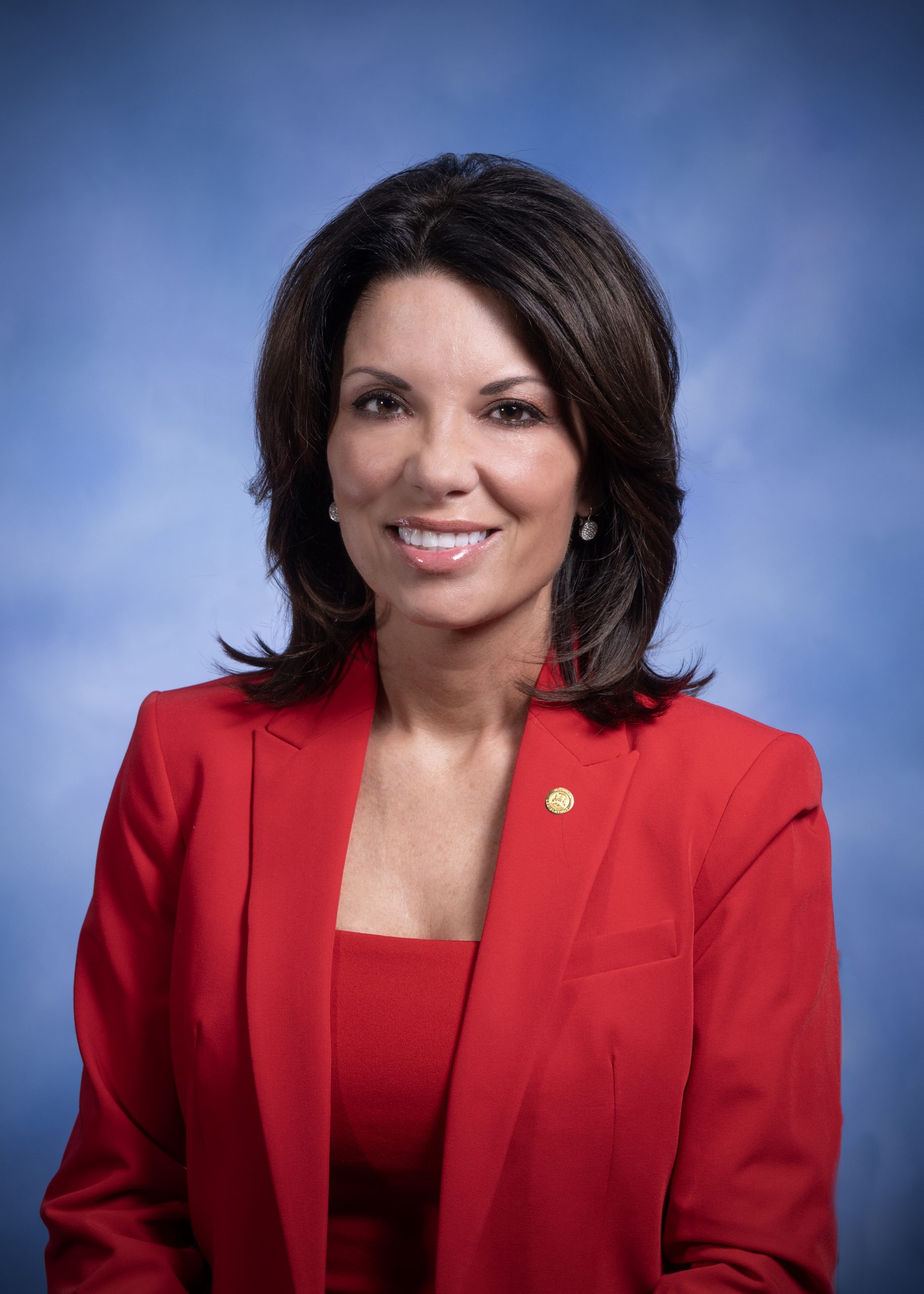
Rep. Angela Rigas
Sponsored bills
Maddy summaryHB 4517 amends Michigan's Child Abduction Broadcast Act to update its title and expand how radio and TV stations can share missing child information. It specifically allows stations to broadcast alerts via social media (beyond traditional radio/TV) when sharing details from the Michigan Department of State Police under the Amber Alert system. The bill also maintains legal immunity for stations that accurately broadcast this information. This directly affects broadcasters, law enforcement, and the public by broadening the channels for urgent child safety alerts.
Maddy summaryHB 4518 modifies Michigan's Amber Alert Act to require law enforcement agencies to submit missing child alert reports to the National Center for Missing & Exploited Children within 24 hours of activating an alert. This change directly affects Michigan police departments and state agencies that use the Amber Alert system. The bill updates existing law by replacing prior reporting timelines with a specific 24-hour deadline for submissions. This policy adjustment aims to expedite information sharing during missing child cases.
Maddy summaryHB 4724 transfers a specific 0.586-acre parcel of state-owned property (located at 345 Northland Drive, NE, Rockford, Kent County) currently managed by the Michigan State Police. The bill authorizes the state administrative board to convey this property via sale, transfer, or trade to local governments or other state agencies, requiring fair market value appraisal and including a 30-year public use restriction if sold to local entities. Revenue from sales must be deposited into the state general fund, and the property transfer includes provisions for mineral rights revenue sharing (50% to the state) and preservation of aboriginal antiquities. This bill directly affects the State Police (as current custodian), Kent County local government (as potential buyer), and future public users of the property.
Maddy summaryHB 4750 requires Michigan's foster care department to use or save existing benefits (such as Medicaid or education funds) for children in foster care when it serves their best interests, directly affecting all children in the state's foster care system. The bill amends Michigan's foster care law to mandate this approach, ensuring benefits are prioritized for the child's well-being rather than other uses. Key provisions include adding a new section (8f) to the existing law, directing the department to make decisions based on each child's specific needs. This policy change clarifies how resources must be managed without specifying new funding or programs.
Maddy summaryHB 4101 establishes Michigan's participation in the Physical Therapy Licensure Compact, enabling physical therapists licensed in Michigan to practice in other participating states without obtaining separate licenses. This directly affects physical therapists seeking to work across state lines, particularly those in states already part of the compact. The key mechanism is adopting a standardized licensing framework that allows reciprocal practice privileges among participating states. The bill amends Michigan's public health code to align with the compact's requirements, creating a streamlined process for interstate practice. It does not change existing licensure standards within Michigan but facilitates mobility for licensed physical therapists.
Maddy summaryHB 4350 amends Michigan's Natural Resources and Environmental Protection Act to allow individuals to feed wild birds and other wildlife under specific conditions. This bill permits such feeding if it occurs within 300 feet of a residence and the total amount of feed does not exceed two gallons. It clarifies that this allowance does not apply to activities like baiting for hunting, normal agricultural practices, or feeding conducted in a way that excludes deer and elk. This aims to create limited exceptions for recreational or preventative feeding of wildlife by residents.
Maddy summaryHB 4824 updates Michigan's legal definition of "brand" within liquor regulations. This change directly affects liquor producers and sellers who market products under specific brand names, clarifying how brands are recognized under state law. The bill modifies Section 105 of the 1998 Liquor Code (MCL 436.1105) and adds a new Section 604 to establish clearer rules for brand identification. These changes aim to streamline compliance for businesses without altering existing licensing or sales requirements.
Maddy summaryHB 4187 modifies Michigan's corporate income tax law by adjusting how the tax base is calculated and clarifying revenue distribution. It requires corporations to add back certain taxes and expenses previously deducted for federal purposes (like state taxes or related-party royalties) and eliminates deductions for oil/gas and mineral-related income and expenses. For the 2021-2022 fiscal year, the bill directs $800 million of corporate tax revenue to the Michigan taxpayer rebate fund, while other years’ revenue flows to the general fund. This directly affects corporations operating in Michigan and the state’s budget allocation process.
Maddy summaryHB 4805 increases the percentage of Michigan's Children's Trust Fund available for disbursement to child welfare programs. It changes the disbursement rate from 4.25% (2015-2017) to up to 5% starting in 2018 (if the fund's 12-quarter average reaches $23.5 million), and then to up to 8% beginning in fiscal year 2025. The bill uses a rolling average of the fund's value (including investment gains or losses) to determine annual disbursement amounts. This directly affects state funding for child abuse prevention and related services under the Child Abuse and Neglect Prevention Act.