

Maddy summaryHB 4843 amends exceptions allowing law enforcement to use electrical current weapons (such as tasers) without violating state law. It modifies when these devices can be deployed, affecting officers who rely on them during encounters. However, the specific changes to the exceptions are not detailed in the provided context, so the exact policy mechanisms cannot be described. The bill passed the House with strong support but the summary is limited by available information.
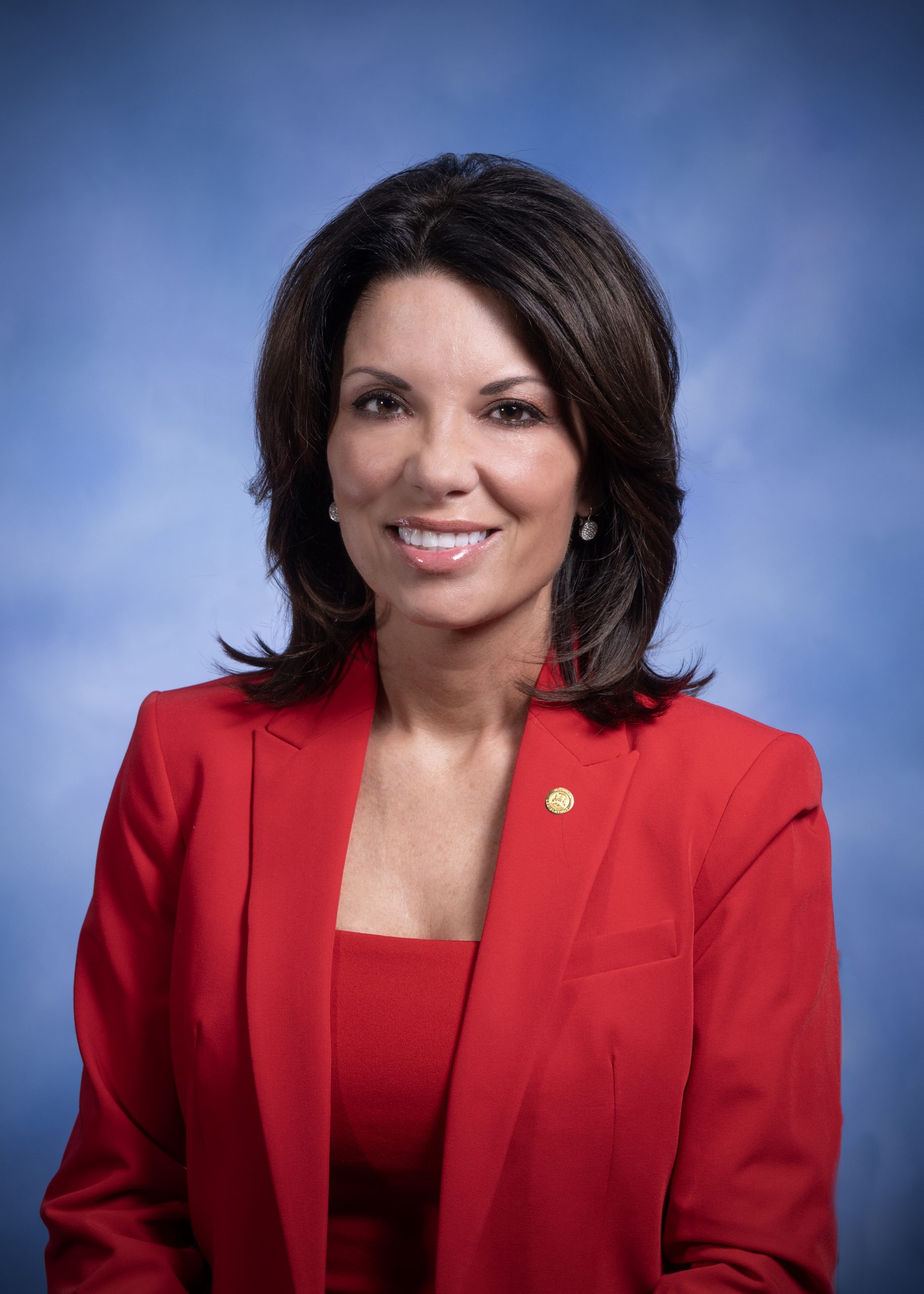
Rep. Angela Rigas
Sponsored bills
Maddy summaryHB 4420 creates a standardized form requiring Michigan legislators to disclose any spending items they direct to specific projects or organizations. This requirement applies directly to all state legislators and state agencies when allocating funds based on legislative direction. The key mechanism mandates that this disclosure form be completed for every instance of directed spending, ensuring consistent public transparency. The bill aims to clarify and document how lawmakers influence state fund allocation without altering the underlying spending authority.
Maddy summaryHB 5092 modifies Michigan's breeding license requirements for large carnivores, requiring businesses to maintain a valid federal animal exhibition license (Class C) in good standing for five years. It applies specifically to organizations that display large carnivores to the public for education or exhibition purposes, not to general pet owners or breeders. The bill prohibits direct public contact with these animals and restricts sales only to other qualified licensees meeting the same requirements. These changes took immediate effect upon the Governor's approval on November 18, 2025.
Maddy summaryThis bill is a ceremonial resolution (not a law) declaring November 23, 2025, as "Christ the King Sunday" in Michigan. It does not create new policies or affect any individuals, organizations, or government programs. The resolution encourages Michiganders to reflect on moral and spiritual values associated with the observance, as noted in the House's adopted text. It follows a longstanding tradition recognized by Christian communities and references historical context from the 1925 papal decree. As a symbolic gesture, it has no binding effect on state actions or residents.
Maddy summaryThis is a ceremonial resolution (not a law), declaring November 15, 2025, as "Hunting Heritage Day" in Michigan. It recognizes hunting's cultural significance, economic impact (supporting 135,000 jobs and contributing $8.9 billion annually), and role in wildlife management and community programs like Hunters Feeding Michigan. The resolution does not create new laws or affect regulations; it solely serves to honor hunting traditions and its contributions to Michigan. It was introduced and adopted by the Michigan House of Representatives.
Maddy summaryHB 5245, titled the "State Officers Public Trust Guarantee Act," prohibits state officers (appointed by the governor or executive officials) from accepting employment with entities they contracted with during their tenure for at least two years after leaving office. It specifically bans employment with any person (including corporations or government entities) they issued contracts to via request for proposals or payments for services. Violations carry misdemeanor penalties of up to 90 days in jail or a $1,000 fine. The law takes effect January 1, 2026, aiming to prevent conflicts of interest by restricting post-employment opportunities with past business partners.
Maddy summaryHB 5240 prohibits Michigan credit unions from denying, restricting, or canceling financial services to agriculture producers based on their greenhouse gas emissions, fertilizer use, or machinery type. It specifically targets credit unions that have made environmental, social, and governance (ESG) commitments, presuming such restrictions violate the law unless the credit union proves the decision was based solely on ordinary business reasons unrelated to ESG goals. Violations carry a civil fine of up to $10,000 per incident. The bill directly affects domestic credit unions and agriculture producers (defined as farm owners/operators under Michigan law), covering services like loans, deposits, and other financial products.
Maddy summaryHB 5241 prohibits Michigan state departments and agencies from entering contracts with businesses that boycott certain entities. Starting October 1, 2017, contracts for state building projects require a representation that the business is not boycotting "strategic partners" (as defined in the law). A new provision, effective January 1, 2026, extends this to ban contracts with businesses boycotting entities in conventional energy, mining, agriculture, timber, or firearms industries. The law directly affects state contractors by requiring written assurances they are not engaging in these boycotts.
Maddy summaryHB 5238 prohibits banks in Michigan from denying, restricting, or canceling financial services to agriculture producers based on their greenhouse gas emissions, fertilizer use, or machinery type. It specifically targets banks with environmental, social, and governance (ESG) commitments - like public statements or participation in green initiatives - by creating a presumption that such actions violate the law. Banks can rebut this presumption with clear evidence that the decision was based solely on ordinary business reasons unrelated to ESG goals. Violations could result in civil fines up to $10,000 per incident, covering services like loans, deposits, and financing. The bill directly affects Michigan farmers operating under the Right to Farm Act and aims to prevent financial discrimination tied to environmental practices.
Maddy summaryHB 5244 amends Michigan's Urban Cooperation Act to prohibit certain economic development agencies from jointly exercising powers with other public entities. Specifically, it blocks the Michigan Strategic Fund and other state agencies created for economic development (like regional development authorities) from entering into interlocal agreements for shared economic development activities. The bill targets Section 4(2) of the act, preventing these agencies from partnering with local governments, other states, or federal entities on projects like tax incentives, infrastructure, or business attraction. This change directly affects state economic development agencies and their ability to collaborate on initiatives under existing interlocal agreement rules.