

Maddy summaryHB 5203 amends Michigan's sentencing guidelines (MCL 777.13k) to establish specific penalties for disclosing private medical information related to abortions. It directly affects healthcare providers, clinics, or others who share confidential abortion-related details without authorization. The bill creates new sentencing parameters for such disclosures within the criminal code, requiring judges to consider these guidelines when determining penalties. The legislation is currently under review by the Health Policy Committee after its November 2025 introduction.
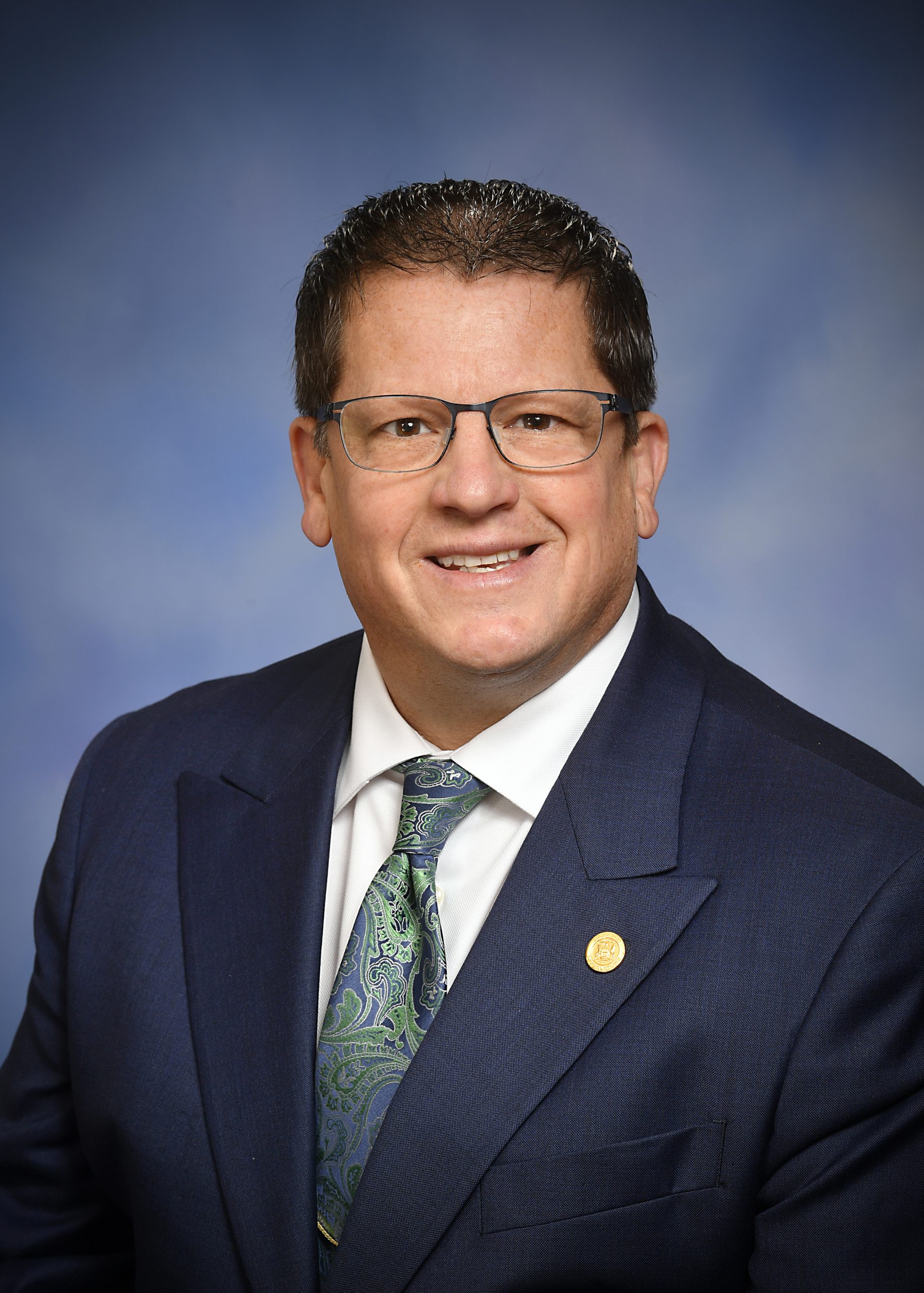
Rep. Brian BeGole
Sponsored bills
Maddy summaryHB 5202 requires healthcare professionals to submit written reports to Michigan's Department of Health for any patient experiencing a physical complication or death directly linked to an abortion. The reports must be anonymized (removing patient identifiers), aggregated into the state's annual abortion statistics, and destroyed after five years. The bill mandates the department to create a standardized reporting form for urgent care facilities and emergency departments, which must be distributed and posted online. This bill, tied to companion legislation HB 5201, focuses solely on data collection requirements without changing abortion access or medical standards.
Maddy summaryHB 5312 amends Michigan's School Code to set new tuition limits for nonresident students attending public schools. It limits K-6 tuition to 25% above the district's average daily operation cost per student (excluding building costs), and grades 7-12 tuition to 12.5% above 115% of that same cost. The bill requires districts to use the previous fiscal year's operation costs and membership data for calculations. It also specifies that these rules expire after July 1, 2026, when schools must follow different rules under another law, and notes the bill only takes effect if two companion bills (HB 5310 and HB 5311) also pass. This directly affects school districts setting tuition rates and nonresident families paying those rates.
Maddy summaryHB 5306 extends the deadline for granting new commercial rehabilitation tax exemptions in Michigan from 2025 to 2030 under the Commercial Rehabilitation Act. It directly affects property owners and developers who rely on these tax breaks for renovating older commercial buildings. The bill changes Section 16 of the act to prevent new exemptions after December 31, 2030, while allowing existing exemptions to continue until their original expiration dates. This is a straightforward policy extension with no new eligibility rules or funding changes.
Maddy summaryHB 4301 expands Michigan's definition of "authorized emergency vehicle" in the Vehicle Code (MCL 257.2 and 257.698) to include specific new categories. It adds vehicles owned by the Michigan Mutual Aid Box Alarm System during emergencies, clarifies that road service vehicles (like tow trucks) may use flashing amber lights while assisting disabled vehicles, and allows federally recognized nonprofits to use emergency lights during disaster response. The bill also clarifies when certain colored lights (red, blue, amber, green) may be used on emergency vehicles, including for snow removal, spill response, and funeral processions. This directly affects emergency responders, road service providers, and nonprofit organizations during crisis operations.
Maddy summaryHB 4302 creates an exception to Michigan's commercial driver license (CDL) requirements for authorized emergency vehicles operated by the Michigan Mutual Aid Box Alarm System. This means drivers operating these specific emergency vehicles do not need to obtain the standard CDL or related endorsements required for commercial vehicles. The bill amends Michigan's Vehicle Code (MCL 257.312e) to explicitly exempt these vehicles from the general CDL rules. The exception directly affects personnel operating emergency vehicles under the Michigan Mutual Aid Box Alarm System, allowing them to operate without meeting standard CDL qualifications.
Maddy summaryHB 4847 removes a legal requirement for health club staff to provide emergency medical assistance using on-site AEDs (automated external defibrillators). It directly affects health club owners, operators, and employees by granting them immunity from liability if they do not render such aid. The bill amends existing law to clarify that health clubs have no duty to use AEDs during medical emergencies on their premises. This change does not impact other emergency medical service laws (like 1963 PA 17) but specifically limits health clubs' obligations regarding AED use. The bill passed the House in 2025 and is now moving through committee review.
Maddy summaryHB 4857 amends Michigan’s Public Health Code to strengthen confidentiality protections for emergency service providers receiving critical incident stress management (CISM) services. The bill ensures conversations between first responders (such as police, firefighters, EMTs, and dispatchers) and CISM teams remain private, preventing disclosure in court, investigations, or other proceedings. Exceptions include situations where a provider poses an imminent threat to themselves or others, reports abuse, or explicitly waives confidentiality. This change directly affects emergency workers accessing mental health support after traumatic incidents, ensuring they can seek help without fear of their disclosures being used against them. The law applies to all CISM services provided under the existing framework, including peer support, debriefings, and referrals.
Maddy summaryHB 4843 amends exceptions allowing law enforcement to use electrical current weapons (such as tasers) without violating state law. It modifies when these devices can be deployed, affecting officers who rely on them during encounters. However, the specific changes to the exceptions are not detailed in the provided context, so the exact policy mechanisms cannot be described. The bill passed the House with strong support but the summary is limited by available information.
Maddy summaryHB 4481 requires Michigan's Attorney General to create and maintain a website listing states that recognize Michigan concealed pistol licenses and detailing each state's specific rules for out-of-state license holders. This website will help Michigan license holders understand where they can legally carry concealed firearms and what restrictions apply when traveling. The bill directly affects Michigan residents with concealed carry permits who travel to other states. It is a procedural measure focused on providing clear, accessible information to license holders, not changing gun laws or restrictions.