

Maddy summaryHB 5800 amends the Deferred Presentment Service Transactions Act to update internal references regarding money transmission services within Michigan's financial regulations. The bill specifically revises the definition of "deferred presentment service transaction" to clarify that it does not include delays in loan repayment checks issued by lenders already licensed under other state laws, such as those regulating consumer finance or motor vehicle sales. This change ensures that payday lenders and other financial institutions providing check-cashing services operate under a consistent regulatory framework that distinguishes their activities from those of licensed loan providers. The legislation is set to take effect on January 1, 2025, provided a related companion bill is also enacted.
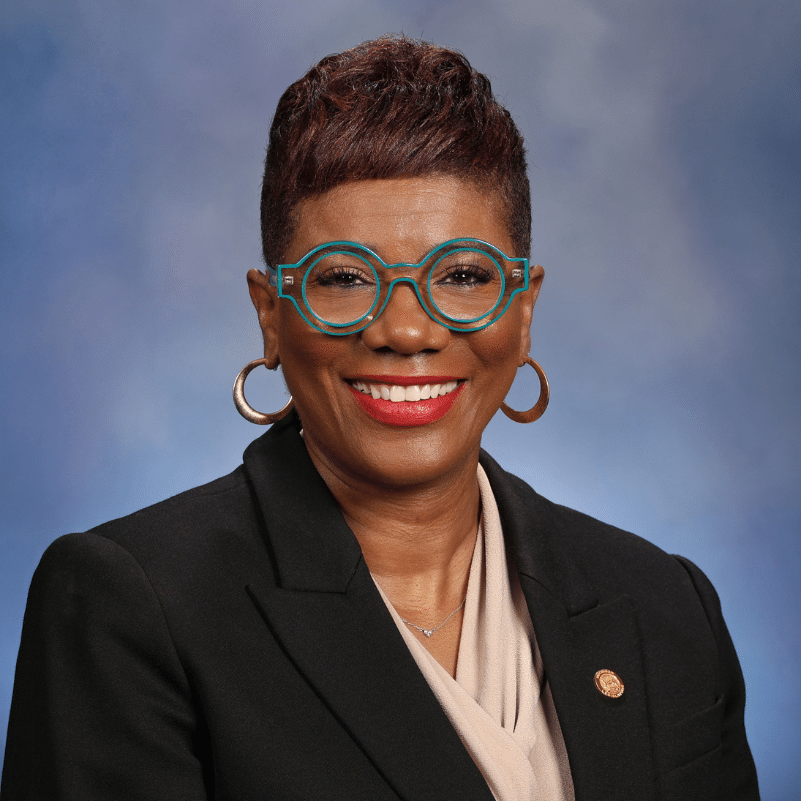
Rep. Cynthia Neeley
Sponsored bills
Maddy summaryThis bill directs the Michigan Department of Health and Human Services to create a new funding system that pays certified community behavioral health clinics in advance for their expected costs. The law applies to clinics, nonprofit groups, and private organizations that provide mental health services and meet specific federal and state certification standards. To ensure fair treatment, the bill requires the department to establish rules that prevent retaliation against these providers and creates a process for resolving payment disputes through an independent adjudicator. Implementation of this payment system must be completed by October 1, 2027, but the bill will only take effect if a companion bill is also passed into law.
Maddy summaryHB 6106 updates Michigan's insurance code to clarify reporting and inquiry procedures for captive insurance companies. The bill requires these companies to submit annual financial reports, actuarial opinions, and audited statements to the state director within specific timeframes, with strict penalties for non-compliance. It also establishes a tiered annual renewal fee structure based on premium volume and allows the director to request additional interim reports or respond to inquiries regarding the insurer's activities. Additionally, the legislation grants the director authority to exempt certain special-purpose captives from specific rules and clarifies that this chapter takes precedence over conflicting sections of the broader insurance code.
Maddy summaryThis bill updates Michigan's Youth Tobacco Act to strengthen penalties for minors who purchase, possess, or use tobacco, vapor products, or alternative nicotine products. It establishes a tiered system of consequences, starting with a fine and community service for first offenses and increasing to higher fines and more hours of service for repeat violations. The law also allows courts to require minors who break these rules to participate in health promotion programs at their own expense. Additionally, the legislation includes a temporary exemption for retail workers who have not yet received a license but have applied for one, and it clarifies that these rules do not apply to minors working or conducting authorized law enforcement compliance checks.
Maddy summaryThis bill amends Michigan's insurance code to update the requirements for Special Purpose Financial Corporations (SPFCs) seeking a limited certificate of authority to transact insurance or reinsurance. It mandates that these entities hold annual management meetings in the state, maintain a local principal place of business, and file specific documentation regarding their insurance securitization transactions with the department of insurance. Additionally, the legislation requires the attorney general to review organizational documents before they become effective and ensures that directors retain personal liability for breaches of loyalty or intentional misconduct.
Maddy summaryThis bill increases disposal fees for nonhazardous solid waste and coal ash in Michigan landfills, with higher rates for general waste and lower rates for specific industrial byproducts. Landfill owners and operators must collect these new surcharges from waste generators and pay them quarterly to the state, while captive facilities face fixed annual fees based on their waste volume. The collected funds are distributed among several state accounts, including a new host communities grant fund that provides direct financial support to the cities and townships where these landfills are located. Additionally, the bill establishes a mechanism to adjust these fees every five years based on inflation to maintain their real value over time.
Maddy summaryThis bill amends Michigan's zoning enabling act to prevent local governments from restricting signs that honor police officers, firefighters, medical first responders, military members, corrections officers, or veterans. It also establishes a state limit requiring that residential properties do not need more than 1.5 parking spaces per dwelling unit. By setting these boundaries, the legislation directly affects how municipalities can regulate signage and parking requirements for homes. The measure seeks to clarify rules on commemorative displays and minimum parking standards without dictating specific local outcomes.
Maddy summaryThis bill establishes an interstate licensure compact for occupational therapists and occupational therapy assistants in Michigan, allowing them to practice in other member states without obtaining separate licenses. The legislation creates a system where a therapist licensed in their home state can receive a "compact privilege" to work in remote states, provided the patient is located in that remote state during the encounter. Key provisions include the mutual recognition of licenses, the sharing of disciplinary and investigative information between states, and specific accommodations for military families relocating. The law also aims to improve public access to therapy services by facilitating the use of telehealth technology and ensuring consistent regulatory standards across participating jurisdictions.
Maddy summaryThis bill updates Michigan's public health code to allow occupational therapists and occupational therapy assistants to practice under a national licensure compact. The key provision authorizes individuals who hold a compact privilege from other states to engage in practice within Michigan as if they were fully licensed under state law. By incorporating this compact, the legislation aims to facilitate easier mobility for these healthcare professionals across state lines while maintaining the same professional standards and obligations. The changes apply directly to occupational therapy practitioners and the facilities that employ them, ensuring that out-of-state compact members are recognized and regulated consistently with local licensees.
Maddy summaryThis bill modifies Michigan's sentencing laws to allow certain prisoners convicted of multiple felonies to petition the court for a review of their sentences. It establishes a formal process for these individuals to request resentencing, which would require a judge to evaluate whether their current punishment remains appropriate under current legal standards. The legislation specifically targets those sentenced under the state's habitual offender provisions and creates new sections in the criminal procedure code to govern this review mechanism. By adding these new procedures, the bill aims to provide a legal pathway for eligible inmates to seek a reduction in their prison terms without changing the underlying laws that led to their original convictions.