

Maddy summaryHouse Bill 4487 proposes a new state income tax credit for working parents starting in tax year 2025. This "working parent tax credit" would provide $2,500 for each qualified dependent between the ages of 4 and 6. To be eligible, taxpayers must have earned income of at least $10,000, and the credit is limited to a maximum of three dependents per tax year. Any portion of the credit that exceeds a taxpayer's liability would be refunded.
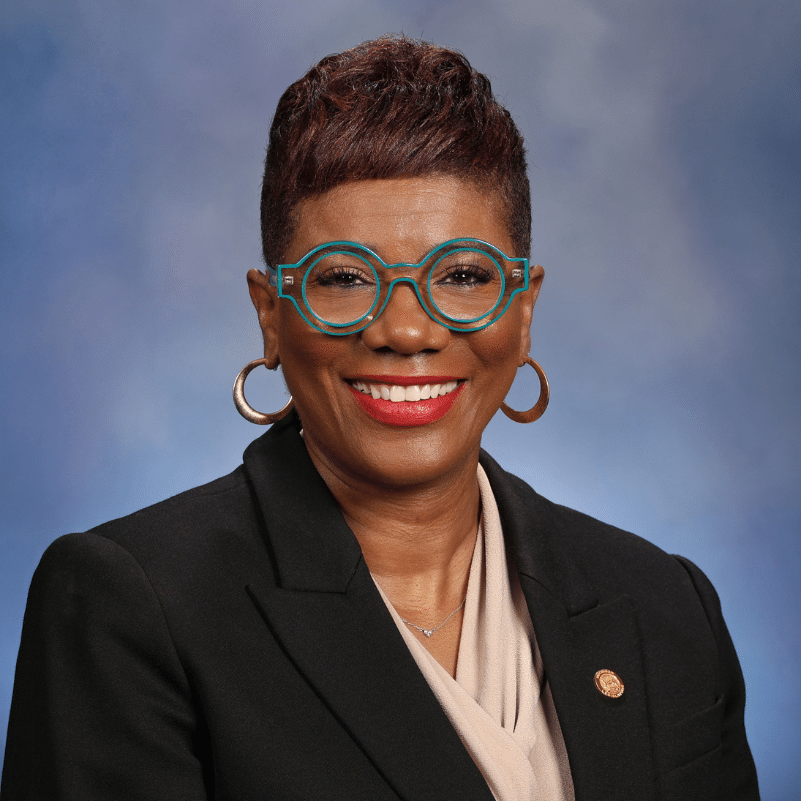
Rep. Cynthia Neeley
Sponsored bills
Maddy summaryHB 4479 proposes new regulations for firearms in Michigan, primarily by requiring valid serial numbers on all firearms and certain components. The bill prohibits the manufacture, sale, transfer, or, after an 18-month grace period, the possession of firearms lacking a serial number, as well as "ghost gun precursors" (parts that can be assembled into unserialized firearms). It also outlines conditions under which a license is required to manufacture firearms, such as manufacturing for profit or using 3D printers. This legislation directly affects individuals and entities involved in the manufacturing, assembling, selling, transferring, importing, or possessing of firearms in the state.
Maddy summaryHouse Bill 4436 amends Michigan's occupational safety and health act to protect employees who communicate about workplace safety. The bill prohibits employers from firing or discriminating against an employee who discloses information about an occupational safety practice, workplace hazard, or communicable disease to the employer, other employees, a government agency, or the public. Employers are also barred from requiring employees to sign agreements or follow policies that limit such disclosures, rendering such provisions void. Additionally, the bill prevents employers from taking adverse action against an employee for wearing their own personal protective equipment that offers more protection than employer-provided gear. If an employer takes action within 90 days of a protected activity, it is presumed to be a violation.
Maddy summaryHouse Bill 4447 proposes to repeal the "Fair and Open Competition in Governmental Construction Act" (2011 PA 98). This existing act currently establishes specific rules and regulations for how competition is managed among contractors for government-funded construction projects. If enacted, HB 4447 would eliminate these state-level provisions governing the bidding and awarding process for public construction work. The repeal would directly impact government agencies, contractors, and workers involved in these projects.
Maddy summaryHouse Bill 4453, titled the "Employee Privacy Protection Act," proposes to prevent Michigan employers from making employment decisions based on an employee's lawful activities that occur off company property and outside of working hours. This includes decisions related to hiring, firing, or compensation. The bill outlines exceptions, such as activities that impair job requirements, create a significant conflict of interest, or misuse employer property. It also prohibits employers from retaliating against individuals who report violations and allows injured parties to seek civil action, including damages and attorney fees, if their rights under the act are violated.
Maddy summaryHouse Bill 4455, known as the "Worker Freedom Act," aims to protect employees in Michigan from employer actions related to religious or political matters. The bill prohibits employers from taking adverse employment action, such as discharge or discipline, against an employee who declines to attend or participate in employer-sponsored meetings or communications that convey the employer's opinion on religious or political issues. It also prevents retaliation against employees who report suspected violations of the act. Employees can pursue a civil action for remedies including reinstatement, back pay, and attorney fees if their rights under this act are violated.
Maddy summaryHouse Bill 4448, known as the "Wrongful Discharge from Employment Act," aims to protect employees in Michigan by prohibiting employers from terminating their employment without cause. Under this bill, a discharge is considered wrongful if it's in retaliation for an employee reporting or refusing to violate public policy, is not for "just cause" after a probationary period, or violates the employer's own written policies. The bill defines "just cause" and limits employee probationary periods to a maximum of three months. Employees who believe they have been wrongfully discharged can either file a lawsuit to recover lost wages and potentially punitive damages, or file a complaint with the Department of Labor and Economic Opportunity, which will investigate and attempt to resolve the issue.
Maddy summaryHB 4442 proposes to amend Michigan's Code of Criminal Procedure. The bill aims to establish or modify sentencing guidelines specifically for crimes related to the employment of minors. It directly affects individuals convicted of such offenses by providing updated frameworks for their potential sentences. This is achieved by amending section 14b of the existing criminal procedure code.
Maddy summaryHouse Bill 4451 amends current law regarding unlawful employer practices during labor disputes. This bill prohibits employers from offering or granting permanent replacement employee status to individuals who perform work during a labor dispute. It also makes it unlawful for employers to give employment preference to individuals who worked or were willing to work during a dispute, over employees who were part of the labor dispute and have offered to return to work. This aims to protect the jobs of employees who participate in collective bargaining activities during a strike.
Maddy summaryHouse Bill 4450, titled the "respect for physical differences act," aims to prohibit employers in Michigan from discriminating against individuals based on certain physical characteristics. Specifically, it prevents employers from making hiring, firing, or other employment decisions based on an individual's body type, degree of physical fitness, appearance, or other physical traits. "Appearance" is defined to include expressions of gender, sexual orientation, or gender identity, as well as religious or ethnic hairstyles, headwear, facial hair, and clothing style. The bill allows for exceptions if a physical characteristic is a genuine occupational requirement and prohibits retaliation against individuals who report violations.