

Maddy summaryThis resolution (HR 164) addresses the July 2025 detentions of 16 Hmong and Laotian refugees in Michigan by U.S. Immigration and Customs Enforcement (ICE), who were unexpectedly taken into custody during routine check-ins and later deported to Laos without adequate notice or due process. It demands federal transparency regarding the legal basis for these detentions, urges ICE to provide timely legal counsel and family notification for detainees, and calls for case-by-case reviews of individuals with strong Michigan ties. The resolution specifically highlights concerns about rapid transfers across facilities and the lack of a U.S.-Laos repatriation agreement requiring travel documents. It is directed to the U.S. Department of Homeland Security and Michigan’s congressional delegation, seeking improved oversight and humane treatment.
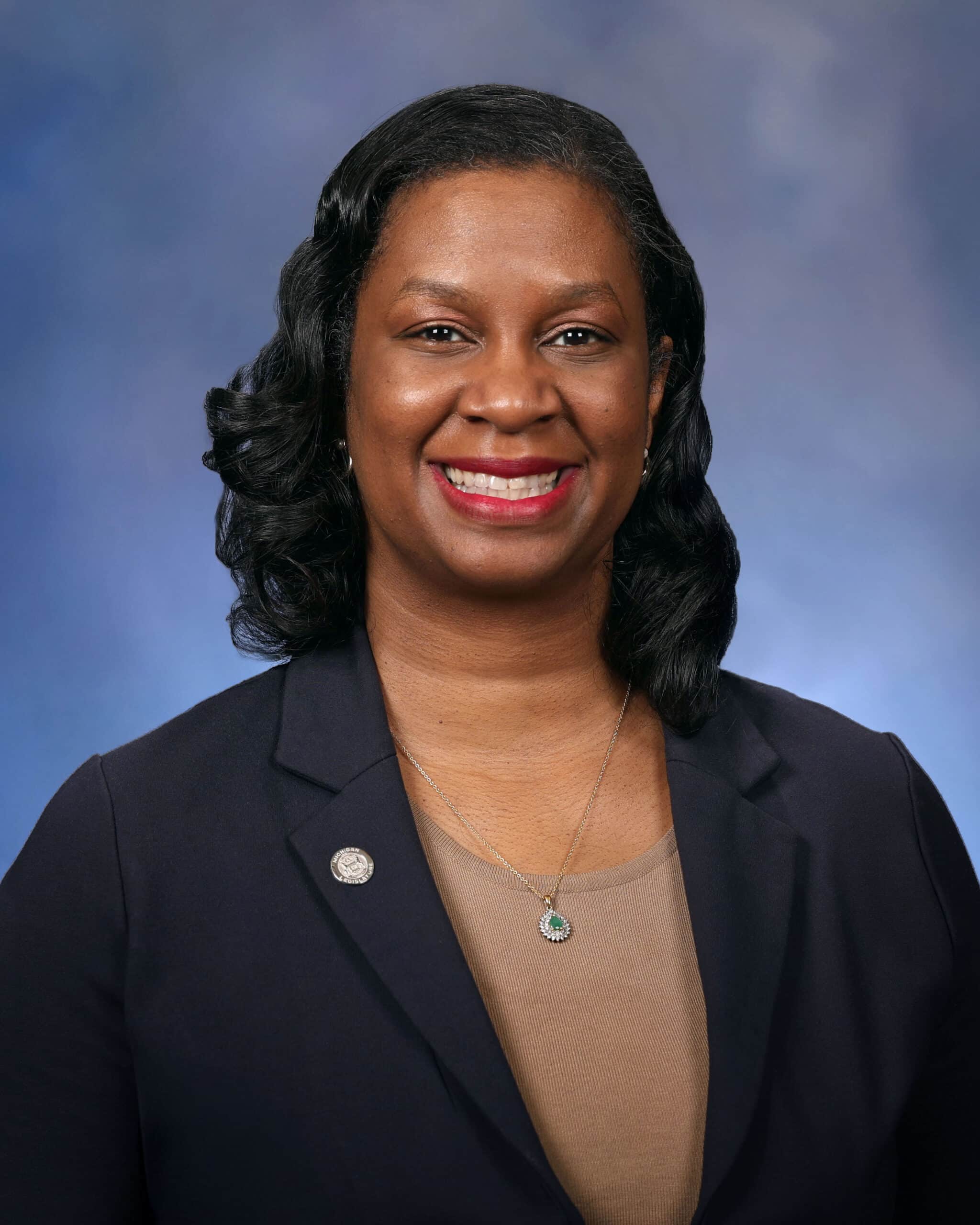
Rep. Tonya Phillips
Sponsored bills
Maddy summaryHB 4820 requires state agencies to first offer surplus motor vehicles to foster youth aged 16 or older in transition programs before selling them to the public. This applies to all surplus vehicles owned by state agencies and uses a voucher system for the initial offer. The bill amends Section 267 of Michigan's Management and Budget Act to implement this requirement. It directly affects eligible foster youth seeking affordable transportation and state agencies handling vehicle disposal.
Maddy summaryHB 4048 adds a new sentencing guideline for distributing intimate deepfake sexual images with aggravating circumstances, classifying it as a Class F felony punishable by up to 3 years in prison. This directly affects individuals convicted of disseminating such deepfakes, particularly those with prior offenses under Michigan law. The bill amends sentencing guidelines in Chapter XVII of the Michigan Penal Code to specifically address this crime, establishing a clear penalty framework for courts to apply. It became effective immediately upon the Governor's approval on August 26, 2025.
Maddy summaryHB 4796 would require any armed military force from another state, territory, or district to obtain the Michigan governor's permission before entering the state to perform military duty. This applies to out-of-state military units but excludes U.S. military forces acting under valid presidential authority. The bill amends Michigan's Military Act to add this authorization requirement as a new Section 132. It directly affects military forces from other jurisdictions seeking to conduct training or operations within Michigan. The policy change aims to clarify state authority over military activity on Michigan soil.
Maddy summaryHB 4797 creates a grant program to provide funding to public broadcast stations in Michigan, directly affecting local public radio and TV stations that serve educational, cultural, or civic needs. The bill requires stations to apply with documentation about their local service, financial need, and how funds will maintain public interest programming. It establishes a "public media fund" in the state treasury, appropriating $13 million for fiscal year 2025 to award grants of up to $1.5 million per station for programming, staffing, or infrastructure. The Michigan Department of Education administers the program, prioritizing stations demonstrating commitment to noncommercial, community-focused broadcasting.
Maddy summaryThis resolution urges Congress to create a legal pathway allowing Medicaid patients to sue states that restrict their provider choice, following a Supreme Court ruling that removed this right. It also asks Michigan's health department to monitor state and federal policies affecting access to Medicaid providers, like clinics offering reproductive care. The resolution directly addresses 2.2 million Michigan Medicaid enrollees, particularly low-income, LGBTQ+, rural, and reproductive healthcare patients, who face potential barriers after the Medina v. Planned Parenthood Supreme Court decision. It does not create new law but requests specific actions to protect existing provider-choice policies. The resolution was introduced in August 2025 and referred to the Government Operations Committee.
Maddy summaryThis is a symbolic House resolution (not a binding law) reaffirming support for the existing 22nd Amendment, which limits U.S. presidents to two terms. It does not change any law or affect any individuals, as the two-term limit has been part of the Constitution since 1951. The resolution states that all presidents since its ratification have respected the limit and rejects any efforts to undermine or weaken the amendment. It is a non-binding statement of congressional support, not a new policy or legislative action.
Maddy summaryHB 4760 requires Michigan law enforcement officers to wear visible identification (showing their name or badge number and agency) and not wear masks or disguises during public interactions while performing duties. Exceptions allow masks for health protection (e.g., airborne diseases), safety from toxins, or physical protection during high-risk incidents like shootouts. The law applies to all state and federal officers in Michigan during public engagements, with violations punishable as misdemeanors (up to 90 days in jail or $1,000 fine). It does not affect covert operations or officers wearing protective gear for legitimate safety reasons.
Maddy summaryThis resolution urges the federal government to maintain funding and reinstate staff for the Low Income Home Energy Assistance Program (LIHEAP) while negotiating the "One Big Beautiful Bill Act." It directly affects Michigan residents who rely on the state's Home Heating Credit Program, which provided assistance to 248,765 Michiganders in 2022 - including low-income families, seniors, and people with disabilities - by helping cover heating costs. The resolution highlights that proposed federal budget cuts to LIHEAP and the recent firing of LIHEAP program staff threaten the program's continuation, potentially causing payment delays or termination. As a non-binding request, it asks federal leaders to prioritize LIHEAP funding to prevent disruption of this critical aid.
Maddy summaryThis House Resolution (HR 143) urges members of Congress to reject President Trump's proposed "One Big Beautiful Bill Act" and instead support policies that fully fund Medicaid, SNAP, and WIC. It directly affects millions of low-income Americans, including children, seniors, people with disabilities, and vulnerable communities who rely on these programs for healthcare, food assistance, and nutrition support. The resolution opposes cuts to Medicaid (which covers 1 in 4 Michiganders), SNAP (impacting 1.4 million Michiganders), and WIC, while criticizing tax breaks for wealthy households and reduced clean energy funding. It calls for expanding healthcare access, promoting clean energy, and ensuring a fair tax system as concrete policy alternatives.