

Maddy summaryHB 5066, titled the "Gun Seller Liability Act," creates strict liability for firearms dealers who sell, deliver, or transfer firearms to individuals prohibited from possessing them under federal or state law, if that firearm causes injury, death, or threat. It directly affects licensed firearms dealers (those holding a federal firearms license who sell guns commercially), requiring them to maintain $1 million in liability insurance covering injuries resulting from firearm sales. Key provisions include holding dealers strictly liable for damages when they know or should know a buyer is prohibited, and mandating the insurance coverage for all such sales. The bill does not alter gun ownership laws but imposes financial responsibility on dealers for specific negligent sales.
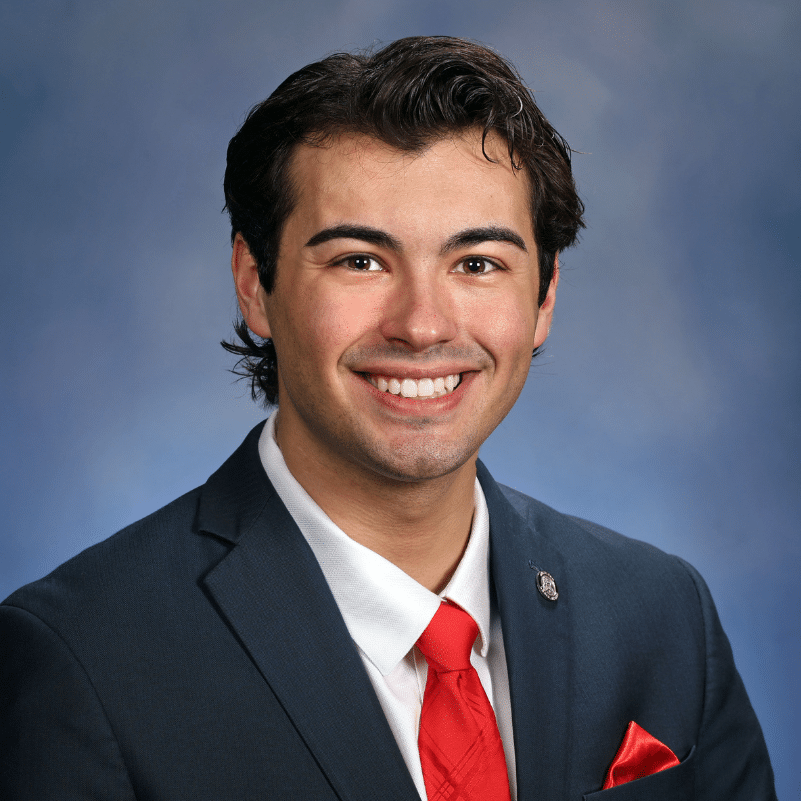
Rep. Jaz Martus
Sponsored bills
Maddy summaryHB 5065 requires retail firearm dealers in Michigan to obtain a state-issued license ($250 fee) and renew it annually ($200 fee). It mandates annual training for dealers and employees on firearm safety, identifying illegal sales, and preventing trafficking, with a 70% passing score needed. The bill applies to businesses selling firearms regularly (not occasional sellers of 8 or fewer firearms yearly) and requires federal licensing, age checks (21+), and criminal background checks for staff. Dealers must display licenses prominently and maintain records for four years. The law aims to regulate retail firearm sales through licensing, training, and record-keeping requirements.
Maddy summaryHB 5072 allocates supplemental state funds specifically for testing sexual assault kits in Michigan for the fiscal year ending September 30, 2026. It directly affects state law enforcement agencies and crime laboratories responsible for processing these kits by providing dedicated budget resources. The bill creates a new appropriation within the state budget to cover testing costs, ensuring these kits can be processed without relying on existing funding streams. This is a funding measure, not a policy change to how kits are collected or handled.
Maddy summaryHB 5070 is a supplemental appropriations bill that allocates additional state funds for Michigan's prenatal and infant support program. It directly affects the program by providing dedicated funding for services supporting pregnant individuals and infants. The bill creates a formal funding mechanism (an appropriation act) to ensure these funds are available for the 2026 fiscal year. As a procedural budget measure, it does not change program eligibility or service rules but secures financial resources for existing support services.
Maddy summaryHB 4107 requires Michigan schools to include specific health education content for students in grades 7-12. It mandates instruction in cardiopulmonary resuscitation (CPR), automated external defibrillator (AED) use, and first aid response kits (including tourniquets and bleeding control supplies) as part of the health curriculum. Schools may use trained personnel like Red Cross instructors, EMTs, or properly trained teachers to deliver this instruction, with hands-on practice encouraged but not required for all students. The bill exempts 100% online schools from requiring hands-on CPR practice.
Maddy summaryHB 5047 requires utility providers (including municipal, cooperative, and private electric/gas companies) to automatically enroll eligible customers in winter protection programs. Specifically, it mandates automatic enrollment of senior citizens (65+ or 62+ as of October 2023) starting November 1, 2025, and households with children under 16 starting September 1, 2025. Providers must identify eligible customers using methods like phone calls, mail, or bill inserts, and provide detailed program information via bill inserts 2 months before enrollment. Annual reports on enrollment numbers must be submitted to providers’ governing bodies by April 28 each year, beginning in 2026. The bill amends Michigan’s public utilities code (MCL 460.9o, 460.10t, and adds 460.9x) to implement these requirements.
Maddy summaryThis resolution declares September 19, 2025, as POW/MIA Recognition Day in Michigan. It commemorates Michigan's service members missing in action or held as prisoners of war since World War II, honoring their sacrifice and the state's commitment to finding and repatriating them. The resolution does not create new laws or obligations but serves as a ceremonial observance.
Maddy summaryHR 173 is a resolution passed by the Michigan House of Representatives to condemn all forms of political violence and reaffirm the body's commitment to civility, safety, and peaceful democratic engagement. It does not create new laws or policies but serves as a formal statement expressing the House's stance against violence targeting public officials and citizens. The resolution cites recent incidents of political violence across the U.S., including attacks on elected leaders and events like the 2025 assassination of activist Charlie Kirk. It will be transmitted to the President, Michigan Governor, and congressional leaders as a non-binding expression of the House's values.
Maddy summaryHB 4874 requires the Michigan legislature to appropriate at least $12.3 million annually starting fiscal year 2026 for supplemental payments to rural school districts meeting specific criteria defined in existing law (MCL 388.1622d). This bill directly affects eligible rural and isolated school districts by guaranteeing additional state funding beyond their regular school aid. The key provision mandates a fixed annual appropriation for these districts, ensuring consistent supplemental support beginning in 2026. The bill does not change how districts operate or define "rural districts," but rather establishes a dedicated funding stream for them. It is currently in the introduction phase, referred to the Appropriations Committee.
Maddy summaryHB 4875 mandates annual state funding of at least $125 million starting in fiscal year 2026 to cover school transportation costs for students. It directly affects Michigan public school districts by requiring dedicated state appropriations for pupil transportation, as defined under existing state school aid law. The bill creates a permanent funding mechanism ensuring consistent support for school bus services and related operational costs. This provision applies specifically to transportation services for students, not general school funding. The bill is currently under review in the Appropriations Committee after its introduction on September 11, 2025.