

Maddy summaryHB 5516, the "Foreign Law Limitation Act," prohibits Michigan courts, arbitrators, and administrative bodies from applying or enforcing foreign or religious laws in contracts or legal agreements if doing so would violate a resident's constitutional rights under U.S. or Michigan law. It requires these entities to block, modify, or void offending provisions when they conflict with constitutional rights, and to consider whether parties knowingly agreed to foreign law without duress. The law specifically excludes enforcement of federal or U.S. state laws and does not affect agreements made before the law's effective date. It directly affects courts handling disputes involving foreign legal provisions and protects Michigan residents from potential rights violations under external legal systems.
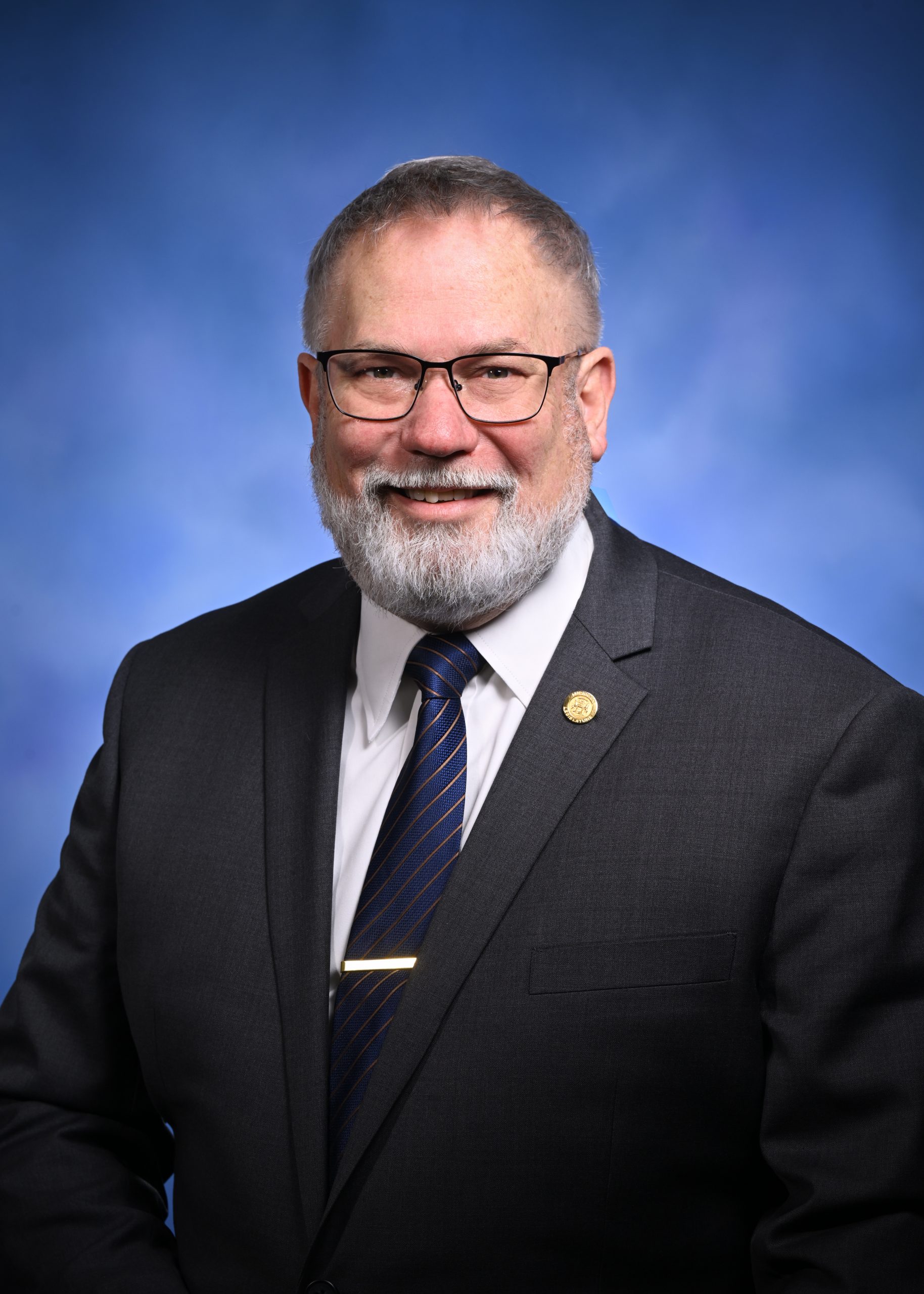
Rep. David Martin
Sponsored bills
Maddy summaryThis resolution designates February 2026 as Career and Technical Education (CTE) Month in Michigan. It symbolically recognizes CTE's role in preparing students for high-demand, high-wage careers (like healthcare, IT, and skilled trades) without creating new laws or funding. The resolution urges continued awareness of CTE programs, which support over 115,000 Michigan high school students annually and align with projected job openings requiring postsecondary training. As a procedural resolution, it has no binding requirements and serves only to raise public awareness.
Maddy summaryHB 5490 removes the existing list of prohibited nonnative species from Michigan's Natural Resources and Environmental Protection Act. The bill amends Section 41301 to eliminate specific prohibitions on species like giant salvinia, Asian longhorned beetles, and Eurasian ruffe, which previously required DNR oversight. This change directly affects individuals and businesses that previously had to comply with restrictions on these species. The key mechanism is deleting the defined prohibitions, reducing regulatory authority for the Department of Natural Resources regarding these specific nonnative species.
Maddy summaryHB 5493 regulates how state and local law enforcement agencies use automatic license plate reader (ALPR) systems. It prohibits most ALPR use except for specific purposes like checking for stolen vehicles, outstanding warrants, uninsured vehicles, or active criminal investigations. The bill requires agencies to delete captured plate data within 14 days (unless used as evidence or for ongoing investigations), adopt public policies on ALPR use, and submit quarterly usage reports. It directly affects police departments and other government entities that operate ALPR systems, limiting their data collection and retention practices.
Maddy summaryHB 5492, the "regulating automatic license plate readers act," sets rules for private entities operating automatic license plate reader (ALPR) systems, requiring them to preserve captured license plate data for 14 days when law enforcement or a criminal defendant requests it with a specific written statement. The bill prohibits using the data as evidence in court if disclosure would violate the act, mandates data destruction after 14 days if not used, and allows individuals to sue for violations and recover at least $1,000 in damages or actual damages plus legal fees. Vehicle owners' data is protected from public disclosure without consent, except under a court order or warrant, and cannot be accessed by law enforcement without a warrant or specific preservation request.
Maddy summaryThis bill amends Michigan's 2001 Manufacturing Milk Law to explicitly permit the sale of raw milk and raw milk products under the existing regulatory framework. It directly affects dairy producers and sellers who currently cannot legally sell these items under the law's current restrictions. The key change adds new Section 70a and revises Sections 111 and 136 to allow such sales while maintaining the law's overall structure. The bill updates the legal language to align with current market practices without creating new safety standards or requirements.
Maddy summaryHB 4911 amends Michigan's Occupational Code to clarify definitions and licensing requirements specifically for mobile barbershops. It defines "mobile barbershop" as either a self-contained vehicle or temporary setups at locations like client homes, and requires the state board to create operational rules for these businesses within one year (per Section 1112). The bill directly affects mobile barber service operators by establishing new regulatory standards for sanitation, safety, and record-keeping at temporary locations. It does not change existing rules for stationary barbershops but ensures mobile operations meet specific safety and transparency requirements before the new rules are finalized.
Maddy summaryHB 5207 updates licensing requirements for barber and cosmetology instructors in Michigan. It increases the required instructor training hours from 500 to 600 for cosmetology instructors (effective July 1, 2024) and from 600 to 900 hours for barber instructors. The bill also clarifies that prior experience cannot waive requirements like high school diplomas or exams. These changes directly affect individuals seeking to become licensed instructors in these fields.
Maddy summaryHB 4910 allows dentists in Michigan to earn continuing education credit toward license renewal by actively participating in professional associations, rather than solely completing traditional courses. Dentists who are dues-paying, in good standing members of approved associations and participate in activities like meetings or committees can receive department-approved credit for these hours. The bill requires associations to be approved by the department (ensuring they weren't formed solely for education) and mandates dentists provide association verification of their participation. This directly affects licensed dentists needing to fulfill the existing 35-hour continuing education requirement every two years.