

Maddy summaryHB 4728 requires professional guardians and conservators to obtain a state license. This bill directly affects individuals and agencies that manage finances or personal care for vulnerable adults (like seniors or people with disabilities) who cannot make decisions for themselves. The key provision adds new licensing requirements through amendments to existing law, establishing standards for these professionals. The bill is currently pending in committee review and has not yet become law.
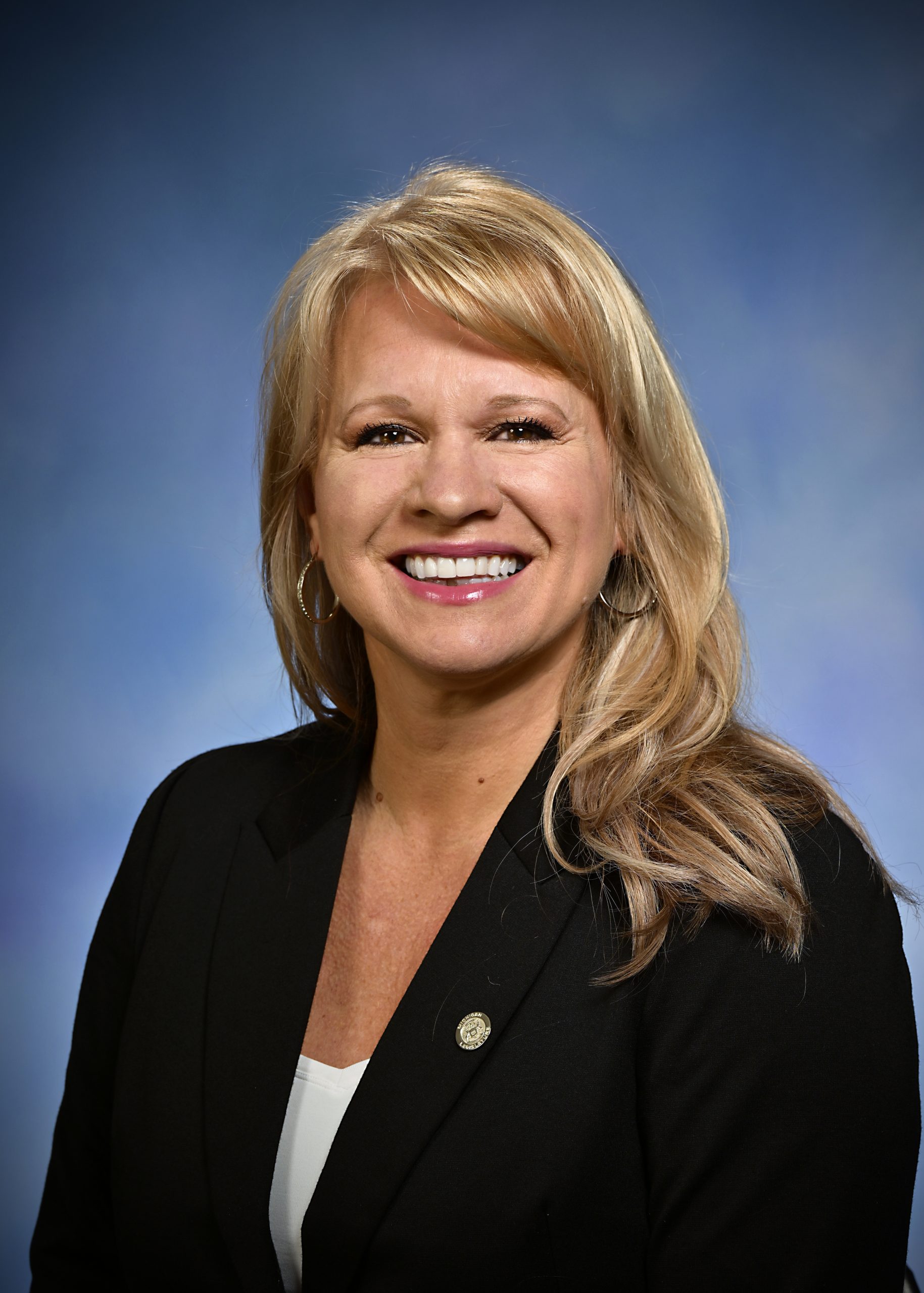
Rep. Alicia St. Germaine
Sponsored bills
Maddy summaryHB 4729 updates Michigan's rules for appointing guardians of individuals with developmental disabilities. It requires courts to prioritize licensed professional guardians (under Article 14A of the Occupational Code) when appointing guardians, and prohibits unlicensed employees of such guardians from making medical, financial, or housing decisions for these individuals. The law also mandates that courts consider the individual's preference for a guardian before making an appointment. These changes take effect two years after the bill's passage, aiming to ensure guardianship appointments meet professional standards.
Maddy summaryThis bill proposes to expand Michigan's medical assistance program to cover transportation services for individuals with behavioral health needs. It requires the state department to pay for these transport costs for eligible people and mandates that transport providers follow existing mental health code regulations. The legislation defines behavioral health transport as travel to and from treatment facilities and specifies that only approved agencies can provide this service. Importantly, the bill will not become law unless it is passed together with a companion bill, HB 5943.
Maddy summaryThis bill establishes a new licensing framework in Michigan for agencies that provide specialized transportation services for individuals experiencing mental health crises. It creates specific definitions for these services, which are designed to move medically stable people who do not require physical or chemical restraints to the nearest facility capable of meeting their needs. The legislation mandates that licensed agencies operate under medical supervision, maintain detailed logs of every trip, and implement strict safety and hygiene protocols for their vehicles and staff. Additionally, the bill requires agencies to submit annual reports to the legislature detailing the number of transports, police interventions, and any investigations into staff misconduct.
Maddy summaryThis bill amends Michigan's Patient's Right to Independent Review Act to clarify which substance use disorder services programs qualify as facilities under the law. It specifically updates the definition of "facility" to include programs that are exempt from licensure under state public health regulations, alongside those that are currently licensed. The change ensures that patients receiving care from both licensed and exempt substance use disorder programs have the same access to external review processes when their health care services are denied or terminated. This update applies to health carriers and their designated review organizations, expanding the scope of facilities eligible for independent review protections.
Maddy summaryHB 5358 modifies Michigan's teacher licensing requirements. It requires teachers seeking professional certification to complete a 3-credit course on diagnosing and supporting students with reading disabilities, including specific tools and strategies. The bill also creates streamlined pathways for out-of-state teachers to obtain Michigan certification if they've taught successfully for at least 3 years in their previous state, waiving some exam and reading course requirements. These changes directly affect teachers, school districts, and teacher preparation programs by altering certification standards and reciprocity processes.
Maddy summaryHB 5081 requires Michigan school districts, intermediate districts, and public school academies to employ at least one teacher trained in the Orton-Gillingham approach by the 2026-2027 school year to support students with dyslexia. This teacher must have completed training meeting International Dyslexia Association standards, which emphasizes multisensory reading instruction through phonemic awareness, phonics, and structured skill-building. Schools must also ensure these teachers receive at least 10 hours of annual professional development focused on dyslexia support. The bill directly affects all public school entities in Michigan and aims to improve specialized reading instruction for students with dyslexia.
Maddy summaryHB 4119 exempts sales of large aircraft (over 6,000 pounds) and certain parts/materials attached to them from Michigan's sales tax when used by commercial airlines for passenger or cargo transport. It specifically applies to domestic air carriers operating under federal aviation rules, covering both new aircraft purchases and maintenance-related transactions. Key conditions include requiring aircraft to leave Michigan within 15 days of temporary use (e.g., for evaluation or repairs) and ensuring they were not based or registered in Michigan before or after the transaction. This policy change directly affects commercial airlines and aircraft sellers, reducing tax liability on qualifying equipment purchases and maintenance services.
Maddy summaryHB 4120 exempts certain aircraft purchases and maintenance from Michigan's use tax. It applies to domestic air carriers using aircraft over 6,000 pounds for cargo, passenger, or combined transport, and to parts/materials affixed to such aircraft under specific conditions (e.g., aircraft not based in Michigan). The bill also exempts temporary aircraft in Michigan for maintenance or sales if they leave within 15 days, and extends tax exemptions to interstate trucking equipment used across state lines. These changes reduce tax burdens for airlines, aircraft maintenance providers, and interstate trucking companies operating in Michigan.
Maddy summaryThis bill requires political candidates in Michigan to submit an affidavit of identity that explicitly discloses if they hold dual citizenship with any other country. The affidavit must list the name of each foreign country, how the candidate obtained that citizenship, and whether their status is active or inactive. Candidates who fail to provide this information or include false statements face disqualification from the ballot and potential criminal penalties for perjury. Additionally, the bill mandates that the Secretary of State post the names of candidates with dual citizenship on the state website within two business days of receiving the affidavit.