

Maddy summaryHB 5302 creates a $5 million annual competitive grant program for recovery community organizations in Michigan to expand services for people seeking long-term recovery from substance use disorders. The bill requires the state to fund at least 19 certified local recovery groups and qualifying nonprofit associations, with each grant capped at $250,000 (or 50% of an organization’s operating budget). Priority goes to groups offering specific services like recovery navigation, workplace education, and wellness activities (e.g., support groups, nutrition programs). Grantees must report annually on fund usage, participant metrics, and budget details starting in 2027, with the program set to expire on October 1, 2031.
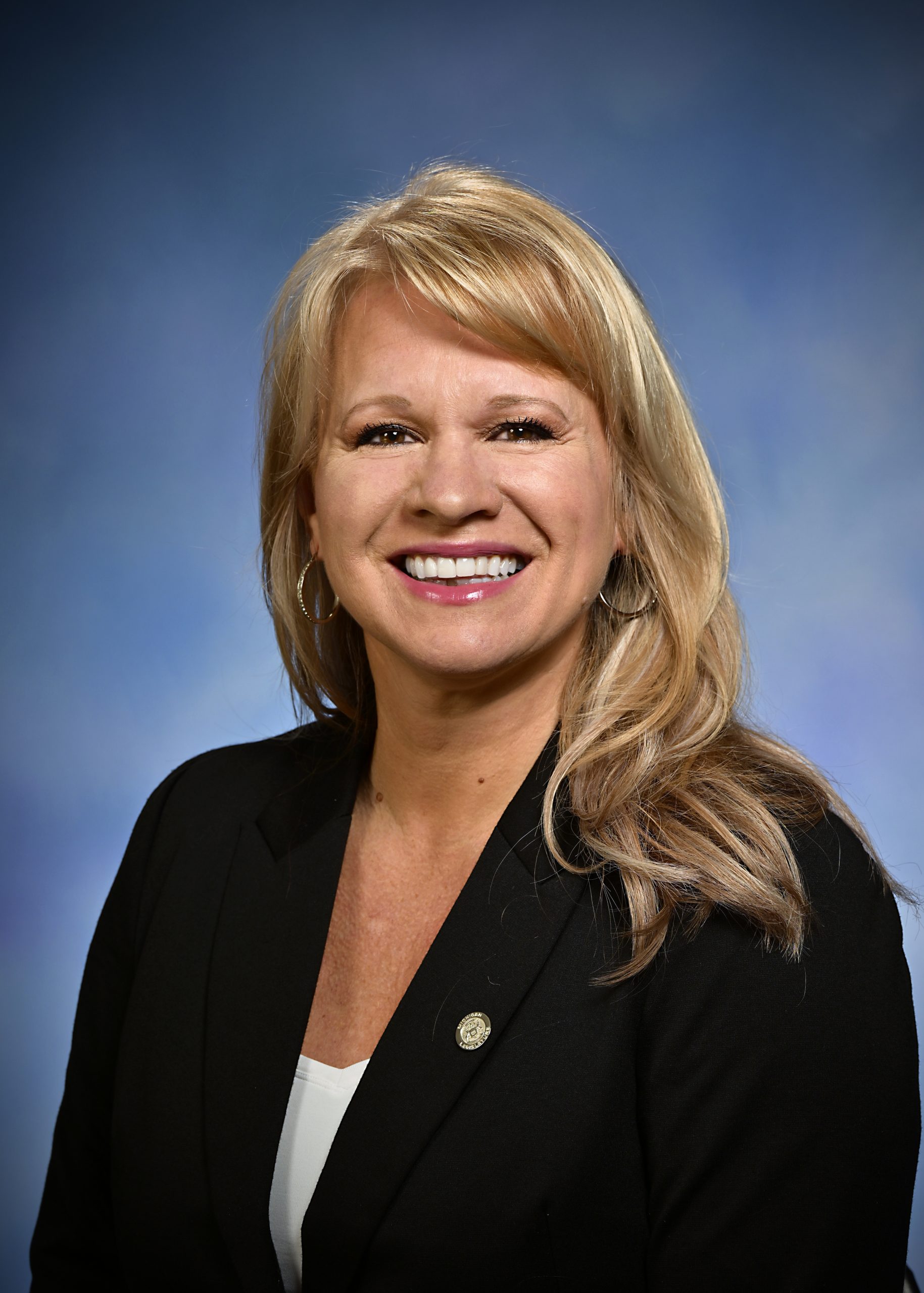
Rep. Alicia St. Germaine
Sponsored bills
Maddy summaryHB 4303 designates May of each year as "Chaldean American Month" in Michigan to recognize the contributions of Chaldean, Assyrian, and Syriac Americans to the state and nation. The bill is purely symbolic, creating no new policies, funding, or obligations. It directly affects the Chaldean American community by formally honoring their cultural and historical contributions through this annual designation. The bill has advanced through committee stages but remains pending final legislative approval.
Maddy summaryThis bill proposes an amendment to the Michigan state constitution to permanently extend a property tax relief measure for homeowners who sell their primary residences. Currently, selling a home triggers a full reassessment of its value, which often leads to a significant spike in property taxes for the new owner; this change would allow the new owner to keep the lower taxable value established under the existing cap rules. The relief applies only to homes that are continuously owned and used as a principal residence, meaning the tax advantage ends if the property is sold for investment purposes or converted to a non-residential use. By removing the automatic reset of taxable value upon transfer, the bill aims to reduce the financial burden on families moving between primary homes.
Maddy summaryHouse Bill 4477 mandates that public school districts and public school academies provide water safety instruction to students. Beginning in the 2026-2027 school year, students will receive age- and grade-appropriate water safety instruction as part of their physical education courses, covering topics such as proper use of flotation devices and awareness of water conditions. The Department of Education is tasked with developing a model water safety program for schools by December 2025. Additionally, the Department of Health and Human Services will create a multilingual informational notice on water safety, which all public and nonpublic schools must distribute annually to parents or legal guardians starting October 2026. The bill also grants civil liability immunity to institutions and individuals involved in developing and distributing this informational notice.
Maddy summaryThis bill designates April 18, 2026, as Champions Day in Michigan to honor the state's historic sports achievements from 1935 and recent successes. The resolution encourages citizens to celebrate the 1935 victories of Joe Louis, the Detroit Tigers, the Detroit Lions, and the Detroit Red Wings, while also acknowledging Olympic gold medalists and the University of Michigan men's basketball team's 2026 national championship. As a commemorative measure, the bill has no legal requirements or funding provisions and serves solely to recognize these athletic milestones.
Maddy summaryHB 4044 designates the wood duck (*Aix sponsa*) as Michigan's official state duck. This symbolic bill establishes a state symbol without changing laws, policies, or affecting any specific group or community. It simply adds the wood duck to Michigan's list of official state emblems, following standard procedural naming practices for state symbols.
Maddy summaryThis bill grants immunity from nuisance lawsuits to owners and operators of racing facilities and racetracks in Michigan if the facility was built before the plaintiff purchased their property or began construction nearby. It protects these racing venues from legal claims filed by neighbors within a 5-mile radius who acquired their land or started building after the racetrack was established. The law applies to all claims filed after the bill takes effect, regardless of when the alleged nuisance occurred, but does not exempt racetracks from complying with environmental or health and safety regulations.
Maddy summaryHB 5537 prohibits the production, sale, or offering for sale of kratom (including all parts of the Mitragyna speciose plant and synthetic variants like 7-hydroxymitragynine) in Michigan. It directly affects businesses and individuals selling kratom products, imposing misdemeanor penalties that escalate based on severity: up to 90 days in jail and $5,000 fines for first offenses, with harsher penalties for repeat violations or sales to minors. Sales to anyone under 18 carry enhanced penalties, including up to one year in jail and $10,000 fines for first offenses. The law defines "kratom" broadly to cover all plant parts, extracts, and synthetic forms, making these activities illegal under Michigan's penal code.
Maddy summaryHB 5234 modifies Michigan's vehicle code to change how law enforcement agencies can use fees collected from salvage vehicle inspections. Specifically, it updates Section 217c of the Michigan Vehicle Code (MCL 257.217c) to expand allowable uses for these fee revenues. The bill directly affects local law enforcement agencies that collect these inspection fees, allowing them to allocate funds toward equipment, training, or other operational needs previously restricted. This is a procedural funding adjustment with no new tax or mandate.
Maddy summaryHB 4388, the "Social Media Regulation Act," requires social media companies with at least 5 million global users to verify the age of Michigan residents applying for accounts and obtain explicit parental consent if the applicant is under 18. It directly affects minors in Michigan and major social media platforms, prohibiting account creation without age verification or parental consent for minors. The law excludes non-social media services like email, direct messaging, news sites, e-commerce, and school-specific platforms (e.g., learning management systems) from its requirements. The bill takes effect 180 days after enactment, mandating social media companies to deny applications that fail these verification steps.