

Maddy summaryHB 4692 creates a new license for "secondary school facilities" that provide cosmetology training in separate classroom settings, directly affecting cosmetology schools and their associated training locations. These facilities must not offer public services or contain equipment like hair-drying chairs, must be staffed by licensed instructors with 3+ years' experience, and require detailed floor plans and department inspections. License holders must display their license and instructor credentials visibly, and the license becomes void if ownership changes or the location shifts, requiring a new application. The bill also mandates the department to create implementing rules within 18 months of enactment.
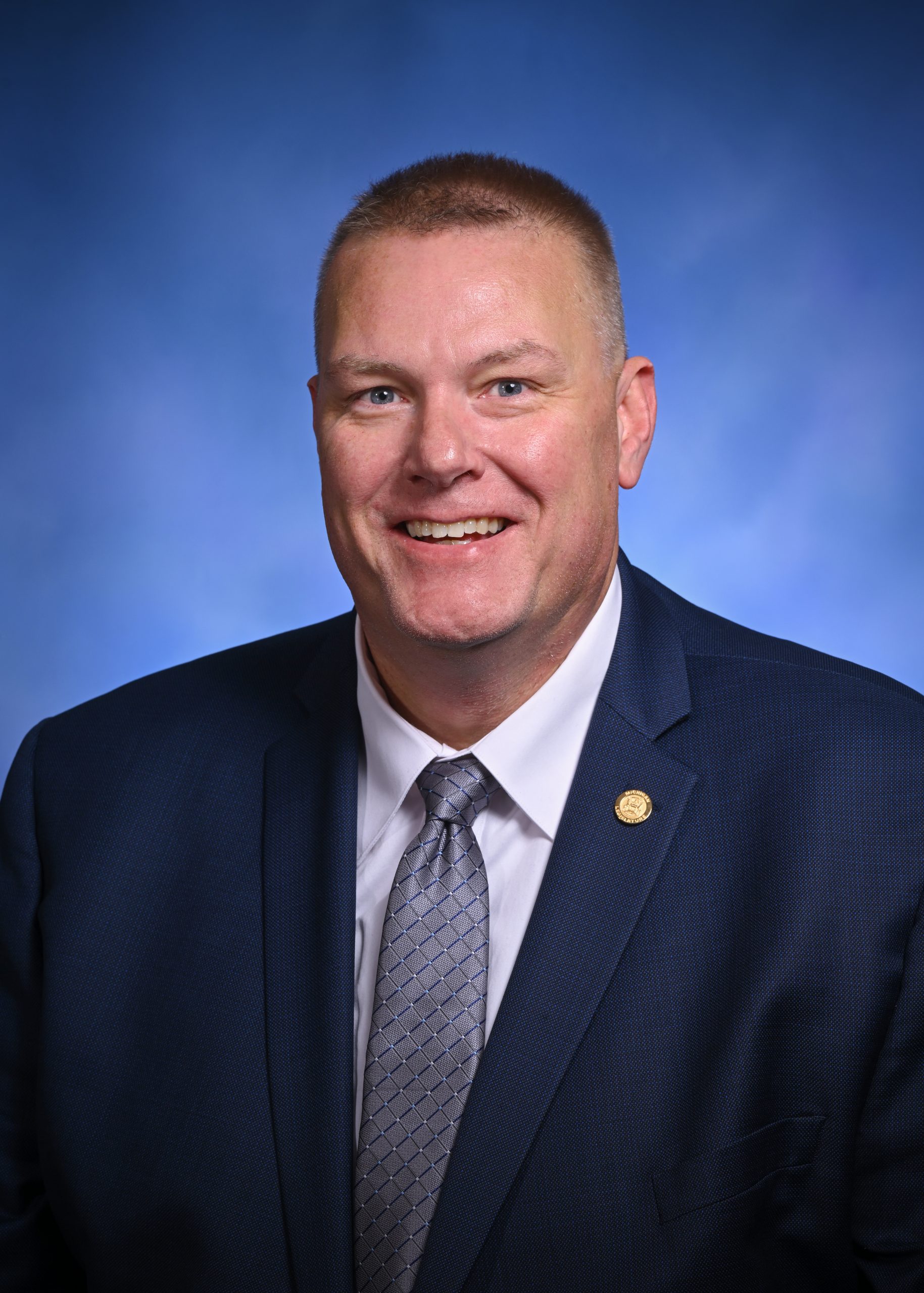
Rep. Ron Robinson
Sponsored bills
Maddy summaryHB 4947 requires pharmaceutical manufacturers selling products containing ephedrine or pseudoephedrine in Michigan to join a national real-time tracking system (NPLEx) starting June 1, 2026. This bill directly affects manufacturers of these products, mandating they participate in the system to log retail sales. The key mechanism is the NPLEx, which tracks purchases to prevent diversion into methamphetamine production, with retailers already required to use it for sales. The bill amends Michigan’s Public Health Code (sections 7340a(6)) to extend this tracking requirement to manufacturers, not just retailers.
Maddy summaryHB 4486 prohibits Michigan municipalities from banning natural gas use or the installation of natural gas infrastructure, directly affecting cities, towns, counties, and townships. The bill makes any local ordinance, resolution, or policy that restricts natural gas use or infrastructure void and unenforceable starting from its effective date. It specifically targets bans on residential, commercial, or industrial natural gas applications and related infrastructure like pipelines. This legislation ensures that local governments cannot block natural gas services or new installations within their jurisdictions.
Maddy summaryHB 5447 modifies Michigan's probation rules to allow eligible individuals to seek early termination from probation. It permits probationers to apply for early discharge after completing half their original probation term (for both felonies and misdemeanors), provided they've completed required programming and made good-faith efforts to pay fines/fees. The bill prohibits disqualification solely due to unpaid financial obligations but excludes certain offenses like domestic violence (MCL 750.81/81a), sexual assault, or drug crimes from early discharge eligibility. Courts must consider victim input in cases involving specific offenses and report annual early discharge data to legislative committees.
Maddy summaryHB 4099 amends Michigan's Open Meetings Act to expand when public bodies can hold electronic meetings. It permanently allows agricultural commodity groups (like the Michigan Bean Commission or potato industry commissions), municipal retirement systems, and energy joint agencies to meet electronically under any circumstances - no longer limited to emergencies. The bill requires public bodies to post 18-hour advance notice online with clear participation details, ensure two-way communication during meetings, and publish agendas 2 hours before. It applies to all affected public bodies and ensures transparency for public participation, including accessibility for people with disabilities. This law took effect after being signed by the Governor in December 2025.
Maddy summaryThis bill allows Macomb Community College to obtain a special license for selling alcohol at its Sports and Expo Center Complex during regularly scheduled events. The college's governing board would receive this license from the Liquor Control Commission, bypassing standard quota limits. Alcohol sales would be restricted to scheduled conference activities only, prohibiting sales to unscheduled patrons or at unplanned events. This expands alcohol service options for college-hosted events at Macomb's venue under specific, controlled conditions.
Maddy summaryHB 5375 prohibits charging interest on unpaid restitution of overpaid unemployment benefits when the overpayment resulted from specific errors, such as agency mistakes, employer errors, or system issues - not the claimant's fault. It requires the unemployment agency to waive existing interest charges and refund payments made for those errors, with refunds due within 180 days of the law's effective date. The bill also stops interest from accruing during pending appeals and applies retroactively to overpayments from February 2020 through December 2026. This directly affects claimants who received overpayments due to errors beyond their control.
Maddy summaryHB 4314 amends Michigan's environmental law to allow property owners and communities to remove free-floating debris and uprooted vegetation from shorelines without a permit. Specifically, it permits mechanical or manual removal between the ordinary high-water mark and the water's edge, as long as the activity doesn't impact the lakebed. This change directly affects residents, shoreline property managers, and local groups maintaining areas along Great Lakes and Lake St. Clair shorelines. The exemption does not apply to the St. Clair River delta area in Clay Township, St. Clair County, as defined in 1899 PA 175.
Maddy summaryHB 4822 requires the Natural Resources Commission to live stream all its meetings publicly online. This bill amends Michigan's natural resources law (MCL 324.501) to mandate real-time video streaming of Commission sessions. The change directly affects the Commission's operations and ensures public access to its proceedings without requiring physical attendance. The bill is currently pending in committee review after being referred for second reading.