

Maddy summaryHB 5942 amends state law to establish stricter rules for public utilities in Michigan when they seek to raise rates or change their pricing schedules. The bill requires gas, electric, and steam utilities to obtain approval from the Public Service Commission before implementing any rate increases that would cost customers more money. It mandates that utilities provide advance notice to all affected customers and hold public hearings to allow for input, while also setting specific deadlines for the commission to review and decide on these applications. Additionally, the legislation outlines a process for utilities to request temporary relief from rate hikes and specifies how refunds and interest must be handled if proposed rates are later rejected or reduced. These changes directly impact utility companies and their customers by creating a more transparent and regulated framework for rate adjustments.
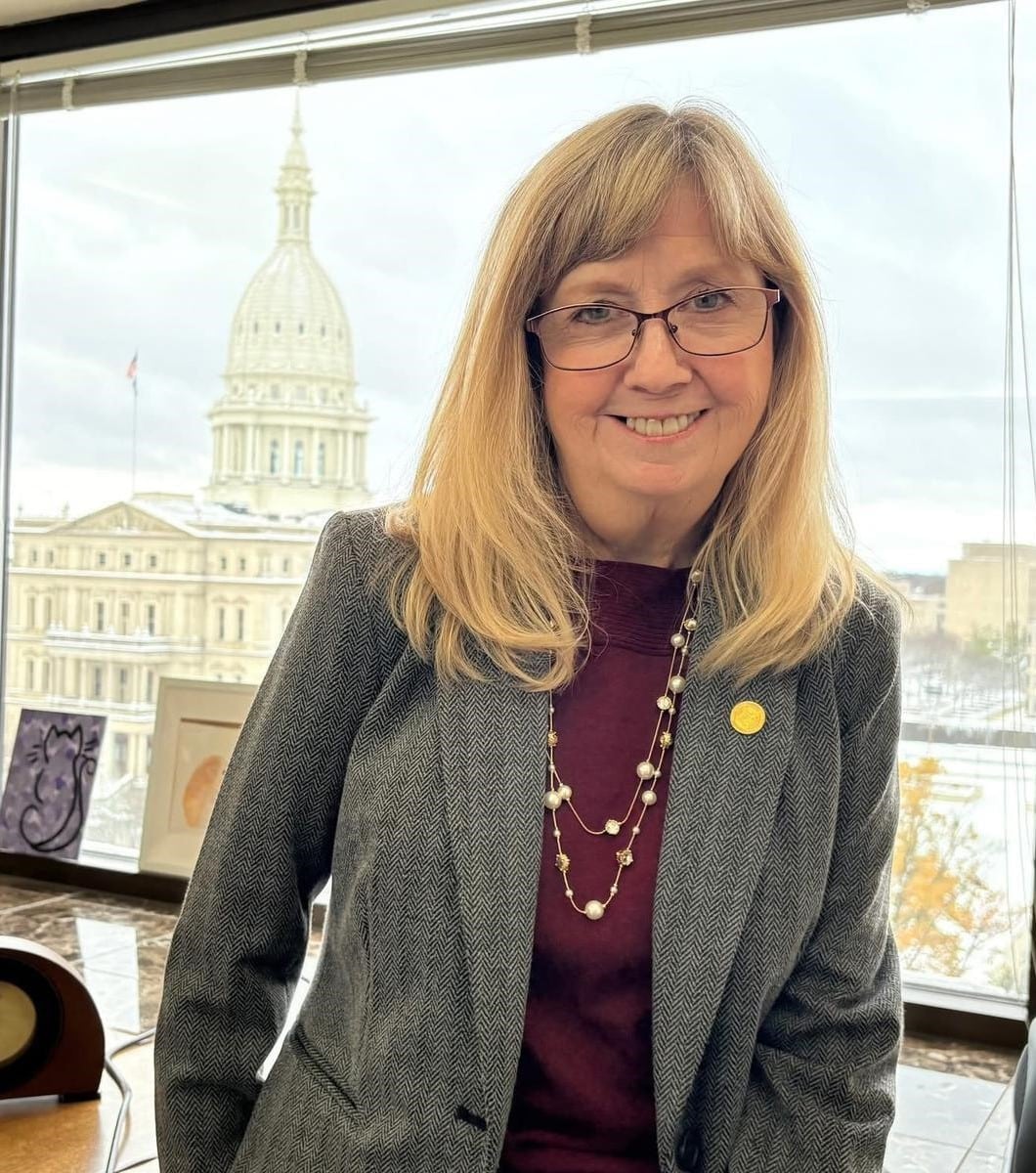
Rep. Sharon MacDonell
Sponsored bills
Maddy summaryThis bill modifies Michigan's Public Health Code to require massage therapists to complete specific continuing education on identifying victims of human trafficking as a condition for renewing their licenses. It mandates that the state board establish rules for these training standards, which must be included in the required 18 hours of continuing education every three years. The legislation also clarifies the board's authority over training program accreditation and voting procedures for health profession subfields. Additionally, it includes a provision that prevents certain long-serving nursing faculty members from needing a baccalaureate degree in nursing science to meet faculty requirements. The bill is tied to a companion measure and will not take effect unless both are enacted into law.
Maddy summaryThis bill creates a new Post-Traumatic Stress Injury Fund within the state treasury to provide financial support for workers' compensation claims related to PTSD. The legislation establishes the fund's management structure, allowing the state treasurer to invest assets and the director to oversee audits and expenditures for approved claims and administrative costs. It mandates that any unpaid claims be prioritized for payment if the fund runs low and requires the director to notify the legislature if the money is projected to be insufficient within 60 days. Additionally, the bill mandates annual and quarterly reports to the legislature detailing claim statistics, payment amounts, and future cost estimates.
Maddy summaryThis bill amends Michigan's enhanced driver license and identification card laws to allow individuals to voluntarily include a "communication impediment" designation on their ID. The designation is intended for people with conditions like deafness or autism that may hinder communication with police officers. Under the new rules, law enforcement personnel with authorized access to a specific state network would be able to view this designation. The bill also clarifies privacy protections, ensuring that Social Security numbers and other personal data are not printed on the front of the card. Additionally, it establishes procedures for the Secretary of State to cancel or revoke this designation if the underlying health condition no longer exists, following a notice and hearing process for the cardholder.
Maddy summaryHB 5949 creates a new program allowing vehicle owners in Michigan to request a free 'communication impediment' decal for their windshield or license plate. This decal signals that the driver or a household member has a condition, such as deafness or autism, that might make communicating with police during a traffic stop difficult. To qualify, owners must submit a certification from a licensed medical professional confirming the communication barrier. The bill also updates existing vehicle registration laws to include a digital designation in state records for these individuals, while establishing penalties for fraud and procedures for revoking the designation if abuse is suspected.
Maddy summaryThis bill enacts the Interstate Massage Compact in Michigan, allowing licensed massage therapists to practice across multiple states with a single multistate license. The legislation creates an Interstate Commission to manage the compact and establishes a shared data system for tracking licenses, disciplinary actions, and background checks among member states. While the compact aims to increase mobility for therapists and improve public access to services, it maintains that each state retains the authority to enforce its own laws and regulations regarding massage therapy practice.
Maddy summaryThis bill designates May 13, 2026, as Rail Day in Michigan to formally recognize the state's rail infrastructure. The resolution highlights the industry's role in supporting the economy, reducing road congestion, and maintaining safety records. It serves as a commemorative measure celebrating the contributions of freight and passenger rail systems rather than implementing new operational rules.
Maddy summaryThis bill designates the week of May 10-16, 2026, as Junior Achievement Week throughout the state of Michigan. It directly affects the organization Junior Achievement and the residents of Michigan by formally recognizing the group's efforts to teach financial literacy to students. The resolution encourages all Michiganders to celebrate the organization's work during this specific week and honors the staff who support youth financial education programs.
Maddy summaryThis resolution declares May 2026 as Brain Tumor Awareness Month in Michigan to highlight the severity of brain tumors and the state's role in research and treatment. The bill does not change laws or allocate funding but serves as a symbolic gesture to raise public awareness about the disease's impact on patients and families. It recognizes Michigan's medical centers and the urgent need for better treatments given the limited number of approved therapies available.
Maddy summaryThis resolution declares May 10-16, 2026, as Skilled Nursing Care Week in Michigan to honor residents, staff, and volunteers in skilled nursing facilities. The measure aligns with the national observance established by the American Health Care Association and encourages the state to participate in related events under the theme 'Moments in Bloom!' By officially recognizing this week, the bill aims to promote awareness and community engagement with nursing care services without altering any laws or funding.