

Maddy summaryThis bill modifies Michigan's Mental Health Code to update definitions and clarify requirements for health facilities, particularly regarding substance use disorder licensing and crisis stabilization units. It amends existing sections to include crisis stabilization units within the scope of facilities that may be exempt from certain substance use disorder license requirements, while also repealing an outdated section. The legislation primarily affects community mental health services programs, licensed hospitals, and adult foster care facilities by refining how they must be classified and regulated under state law. These changes aim to align the code with current service delivery models without altering the core licensing framework for mental health providers.
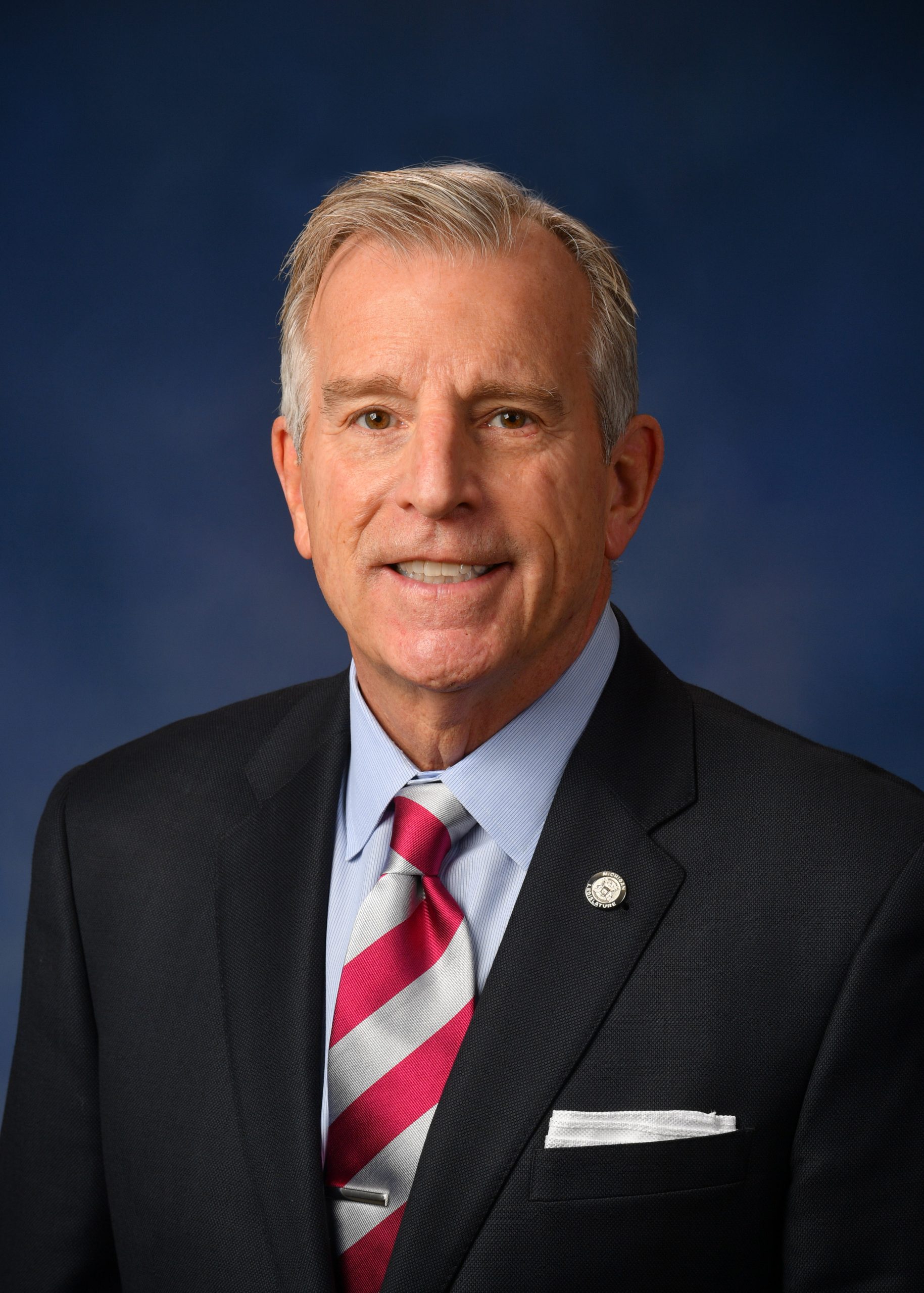
Rep. Mark Tisdel
Sponsored bills
Maddy summaryThis bill amends the Municipal Health Facilities Corporations Act to clarify which substance use disorder service programs are exempt from licensure requirements. It updates the definition of "direct provider of health care" to explicitly include organizations that are exempt from licensure under the Public Health Code, alongside those that are licensed or certified. The change applies to municipal health facilities corporations and their subsidiary entities, ensuring that programs currently operating without a license but meeting specific state exemptions remain compliant with the act. By aligning the definition with existing public health code provisions, the bill removes ambiguity about which substance use disorder programs fall under the corporation's regulatory scope.
Maddy summaryThis bill modifies Michigan's Social Welfare Act to clarify that certain substance use disorder programs exempt from licensure are eligible to provide medically necessary acute detoxification and inpatient care for opioid use disorder. The change updates section 109 of the Social Welfare Act to explicitly include these exempt programs alongside licensed facilities in the list of approved providers for substance use disorder treatment services. The amendment does not alter existing requirements for licensed facilities but ensures that unlicensed programs meeting specific criteria can access Medicaid funding for these services. The bill is tied with HB 5729 and was introduced in March 2026 by Representative Mike Harris.
Maddy summaryThis bill amends Michigan's adult foster care facility licensing act to clarify how substance use disorder treatment programs are classified under the law. It specifically updates definitions in the statute to include facilities that are exempt from licensure as substance use disorder services programs, ensuring they are properly recognized within the adult foster care framework. The changes affect licensing requirements and regulatory oversight for homes and facilities that provide both foster care and substance use disorder treatment services. By modifying existing sections of the act, the bill aligns the licensing rules with current practices for co-occurring care programs without changing the core licensing standards themselves.
Maddy summaryHB 5358 modifies Michigan's teacher licensing requirements. It requires teachers seeking professional certification to complete a 3-credit course on diagnosing and supporting students with reading disabilities, including specific tools and strategies. The bill also creates streamlined pathways for out-of-state teachers to obtain Michigan certification if they've taught successfully for at least 3 years in their previous state, waiving some exam and reading course requirements. These changes directly affect teachers, school districts, and teacher preparation programs by altering certification standards and reciprocity processes.
Maddy summaryThis bill clarifies the legal authority of the Michigan attorney general's written opinions, specifying that they are advisory only and do not carry binding legal force. It also requires the attorney general to notify county treasurers if a prosecuting attorney fails to submit an annual report as mandated by law. The changes directly affect state officials, including the attorney general, governor, and county treasurers, by defining the scope of legal opinions and improving oversight of prosecutorial reporting. These provisions aim to ensure clear understanding of the attorney general's role while maintaining accountability within the state's legal system.
Maddy summaryHB 5506 prohibits certain local officials from acting as paid lobbyists outside their official duties. It specifically affects county officials and city, village, or township officials in communities with 20,000+ residents (per the latest federal census). The bill makes violating this rule a misdemeanor punishable by up to 90 days in jail, a $1,000 fine, or both. This amendment adds Section 6b to Michigan's existing lobbying law (MCL 4.411-4.431).
Maddy summaryHB 5551 amends Michigan's plumbing regulations to require that anyone testing backflow preventers or air admittance valves must hold an active ASSE 5110 certification, as verified by the state department. This directly affects plumbers and technicians who perform backflow testing, mandating this specific certification for the task. The bill does not change general plumbing licensing requirements but adds a new certification standard for backflow testing to ensure qualified personnel. This is a concrete policy change focused on standardizing qualifications for a safety-critical aspect of plumbing work.
Maddy summaryHB 4119 exempts sales of large aircraft (over 6,000 pounds) and certain parts/materials attached to them from Michigan's sales tax when used by commercial airlines for passenger or cargo transport. It specifically applies to domestic air carriers operating under federal aviation rules, covering both new aircraft purchases and maintenance-related transactions. Key conditions include requiring aircraft to leave Michigan within 15 days of temporary use (e.g., for evaluation or repairs) and ensuring they were not based or registered in Michigan before or after the transaction. This policy change directly affects commercial airlines and aircraft sellers, reducing tax liability on qualifying equipment purchases and maintenance services.
Maddy summaryHB 4120 exempts certain aircraft purchases and maintenance from Michigan's use tax. It applies to domestic air carriers using aircraft over 6,000 pounds for cargo, passenger, or combined transport, and to parts/materials affixed to such aircraft under specific conditions (e.g., aircraft not based in Michigan). The bill also exempts temporary aircraft in Michigan for maintenance or sales if they leave within 15 days, and extends tax exemptions to interstate trucking equipment used across state lines. These changes reduce tax burdens for airlines, aircraft maintenance providers, and interstate trucking companies operating in Michigan.