

Maddy summaryHB 4821 requires Michigan municipalities imposing drainage fees that generate over $10 million annually or 5% of their general fund budget to create separate, segregated accounts for those revenues. The bill mandates that these funds cannot be mixed with general funds, must be spent only on direct drainage-related services (like infrastructure maintenance or stormwater management), and requires annual public reports detailing revenue, expenditures, fee proportionality, and account balances. Municipalities must also hold public hearings on these reports and face fines or suspension of fee collection for violations. The law aims to increase transparency and prevent municipalities from misclassifying drainage fees as non-tax revenue to avoid voter approval requirements.
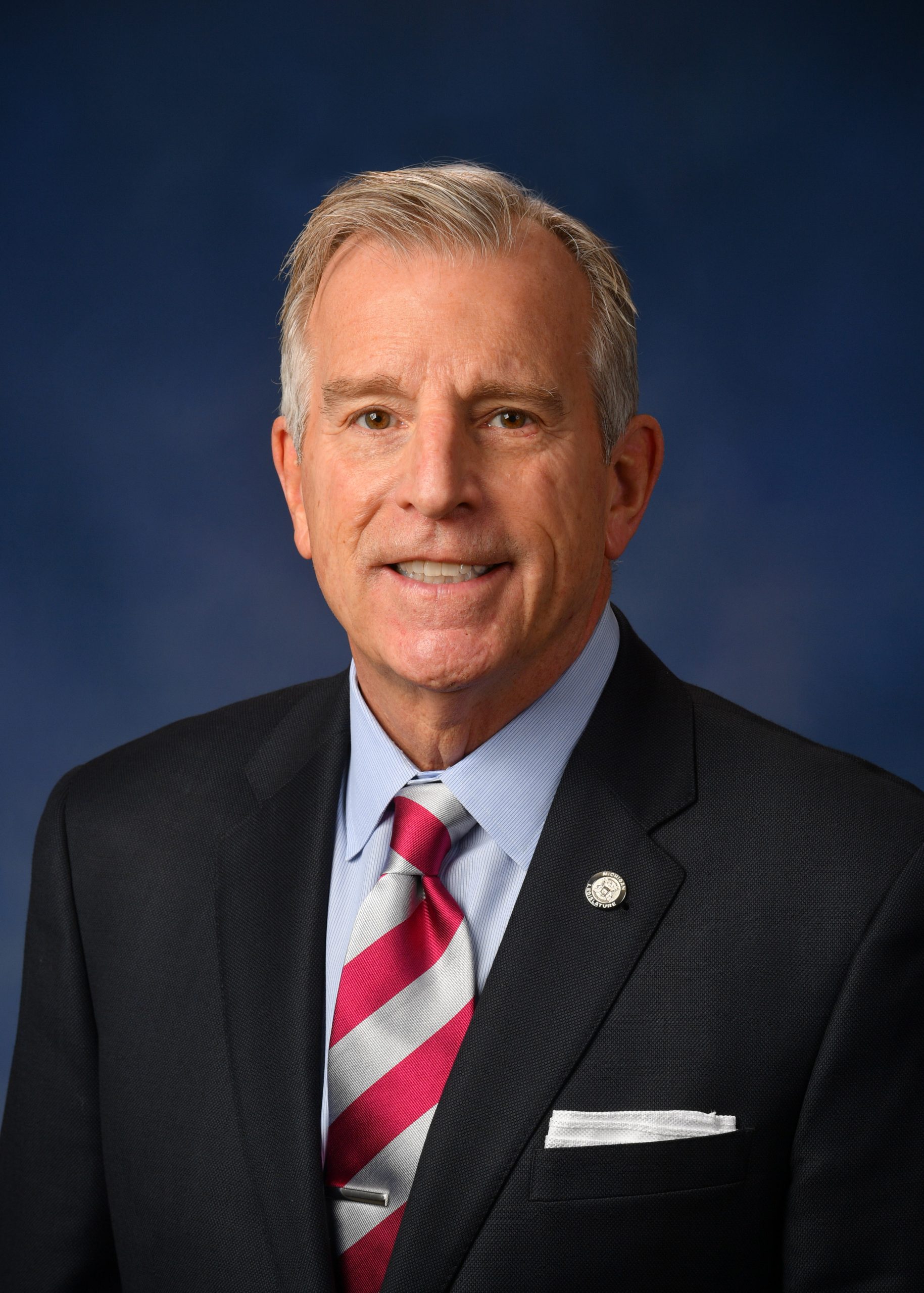
Rep. Mark Tisdel
Sponsored bills
Maddy summaryHB 4048 adds a new sentencing guideline for distributing intimate deepfake sexual images with aggravating circumstances, classifying it as a Class F felony punishable by up to 3 years in prison. This directly affects individuals convicted of disseminating such deepfakes, particularly those with prior offenses under Michigan law. The bill amends sentencing guidelines in Chapter XVII of the Michigan Penal Code to specifically address this crime, establishing a clear penalty framework for courts to apply. It became effective immediately upon the Governor's approval on August 26, 2025.
Maddy summaryHB 4757 updates Michigan's rules for how local governments (like cities, counties, and townships) can invest surplus funds. It adds new investment options, including specific federal mortgage securities (like GNMA and FNMA bonds) and certificates of deposit from qualified financial institutions. The bill also sets a 25% limit on corporate bond investments and requires investment officers to use certified professionals or fiduciary advisors. These changes directly affect all local governments managing public funds, ensuring investments follow updated safety and rating standards.
Maddy summaryHB 4712 creates a new program through which the Michigan Department of Military and Veterans Affairs will reimburse eligible Michigan National Guard members for premiums paid toward Tricare Reserve Select or Tricare Dental coverage. The program allows the department to award grants to qualifying members who apply using a department-provided form, covering premiums for these specific health plans. It directly affects Guard members who are not on active duty and lack other employer or private health insurance. The bill establishes the framework for administering these reimbursements but does not specify funding amounts or application deadlines.
Maddy summaryHB 4655 prohibits Michigan state departments or licensing boards from requiring implicit bias training as a condition for health professional licensure or license renewal. The bill directly affects licensed healthcare workers (like nurses, doctors, and therapists) who would otherwise need to complete such training to obtain or maintain their licenses. It achieves this by amending Michigan's Public Health Code to add Section 16149, which bans the enforcement of rules mandating this training, and by rescinding a related section of the Michigan Administrative Code (MCL 338.7004). The bill removes a potential requirement for healthcare professionals seeking initial licensure or renewal.
Maddy summaryHB 4560 repeals a section of Michigan's election law (MCL 168.472a) that required ballot petition signatures to be collected within a specific time limit. This removes a requirement for petition circulators to gather signatures before a set deadline. The bill does not create new election rules or affect other aspects of the petition process. It is a procedural change that eliminates an existing administrative provision.
Maddy summaryHB 4114 amends Michigan's liquor code to prevent certain past violations from affecting a liquor licensee's standing after a specific time period. It adds Section 910 to the Liquor Control Commission regulations, meaning businesses like bars and restaurants will no longer face penalties for eligible violations that occurred beyond the designated timeframe. This directly impacts licensed alcohol sellers by clearing historical compliance issues from their records. The policy change takes effect immediately upon passage.
Maddy summaryHB 4113 increases the discount for on-premises licensees (like bars and restaurants) purchasing alcohol from the state liquor commission from 17% to 23%. It creates a certification program for "qualified small distillers" who use at least 40% Michigan-grown grain in their products, requiring the Department of Agriculture to certify them. Certified distillers must maintain records and report to the commission, and their products must generate a 32.5% gross profit for the commission. This bill directly affects small distillers, on-premises licensees, and the state liquor commission’s pricing structure.
Maddy summaryHB 4105 renames a specific segment of M-150 in Oakland County (Rochester Road between Tienken Road and M-59) as the "William S. Broomfield Memorial Highway." This bill amends Michigan's Memorial Highway Act to add this designation, which is a purely symbolic change. The legislation does not alter traffic rules, funding, or infrastructure; it only changes the official name of that highway portion. The bill passed unanimously in the House on May 20, 2025, with no opposition.
Maddy summaryHB 4066 requires Michigan public schools to designate interscholastic athletic teams as "female," "male," or "coeducational" based on biological sex. It prohibits male students from participating in teams designated exclusively for females and protects schools from complaints or penalties for maintaining such single-sex teams. The law allows students or schools harmed by violations to seek legal remedies, including damages. It defines "sex" as biological sex listed on an individual's original birth certificate issued at or near birth. This bill directly affects public school districts, students, and athletic associations in Michigan.