

Maddy summaryThis bill directs the state department of education, working with the department of labor and economic opportunity, to develop educational materials on digital literacy and cybersafety. These resources, which include model curricula and lesson plans, must be made available for free on the department of labor and economic opportunity's website. The primary goal is to provide accessible tools to help individuals improve their online safety and digital skills without cost.
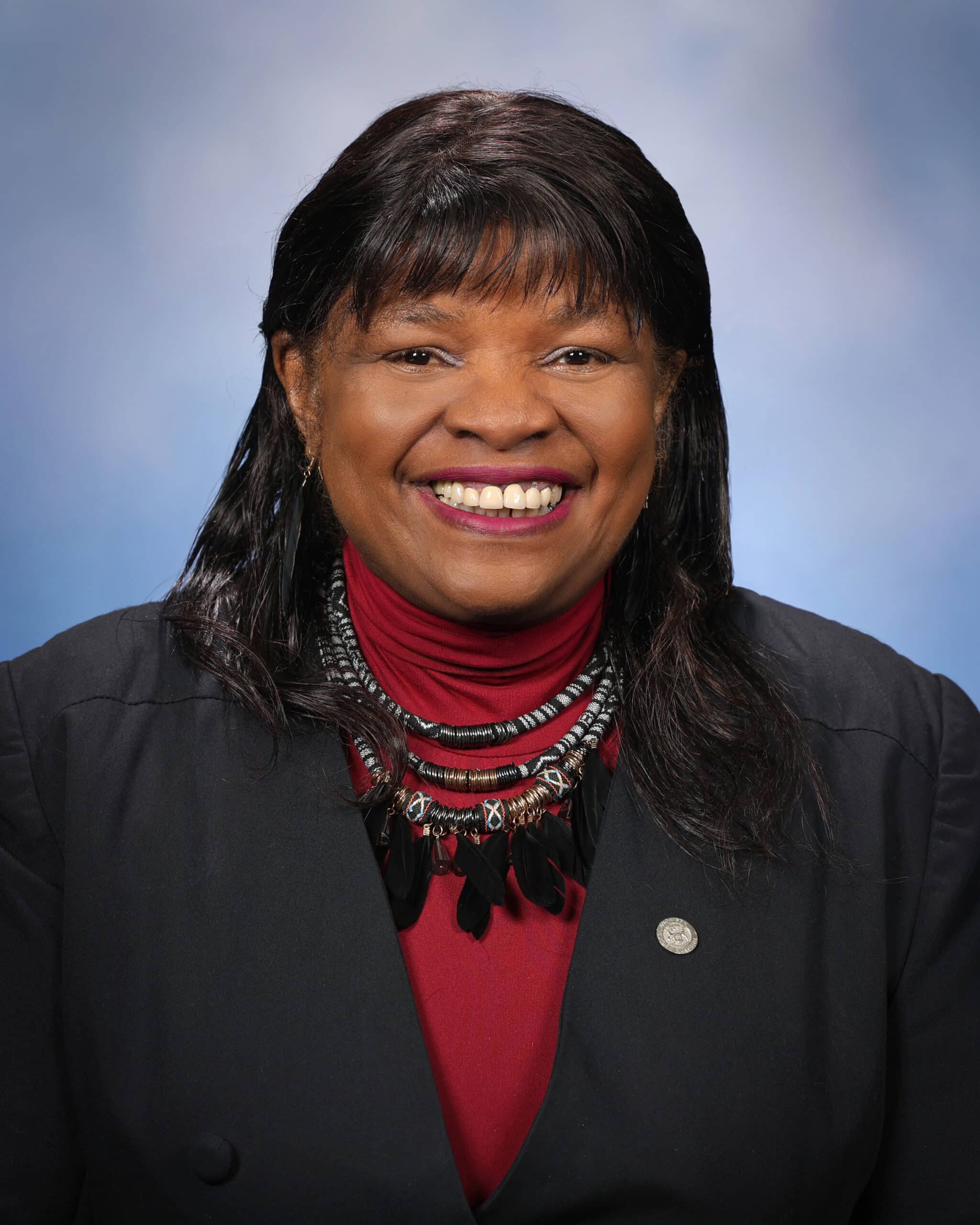
Rep. Brenda Carter
Sponsored bills
Maddy summaryThis law prohibits using a victim's actual or perceived sexual orientation or gender identity as a legal defense in criminal cases. Specifically, it bars evidence of such information from being used to claim reasonable provocation, heat of passion, or reduced mental capacity. Additionally, the bill states that discovering or knowing about a person's gender identity or sexual orientation does not justify using force against them. These rules apply to all criminal proceedings in Michigan to prevent bias from influencing the outcome of a trial.
Maddy summaryThis bill officially designates a specific stretch of M-53 in Macomb County as the "Officer Leroy Imus Memorial Highway" to honor a fallen law enforcement officer. The legislation affects the Michigan State Transportation Department by amending state laws to recognize this new name for the road segment running from 17 Mile Road to Hall Road. Once signed into law, the change immediately updates official records and signage to reflect the memorial title.
Maddy summaryThis bill allows Michigan cities with specific population thresholds to create administrative hearings bureaus to handle violations related to blight, such as property maintenance issues, illegal dumping, and zoning problems. These local bureaus can issue violation notices, accept admissions of guilt, and impose civil fines up to $10,000, with the operating costs covered by the city itself. The law includes protections for landlords by requiring them to receive correction notices and a chance to fix issues before facing penalties during inspections, unless there is an immediate safety emergency. Additionally, the new bureaus are limited to civil matters and cannot impose jail time or handle criminal offenses.
Maddy summaryThis bill allows Michigan school districts to use a design-build method for constructing or remodeling certain school buildings, where a single entity handles both design and construction services. It defines specific requirements for this process, such as the need for an independent licensed architect or engineer to help select the design-build team and ensure the project scope is clear. Additionally, the law mandates that rules be created to regulate the inspection and reuse of modular classrooms when they are relocated. The bill also establishes penalties for individuals who violate these new construction and supervision standards.
Maddy summaryThis bill updates Michigan's law regarding how much money insurance companies must set aside from fire and storm damage claims for residential homes. It increases the maximum amount of withheld funds that local governments can hold in escrow to ensure repairs are made, raising the cap from $12,000 to $24,000 starting July 1, 2024. The legislation also clarifies the notification process, requiring insurers to inform homeowners, lenders, and local officials about these withheld funds and the option for municipalities to secure the money for public safety repairs.
Maddy summaryThis bill amends Michigan's Code of Criminal Procedure to establish specific sentencing guidelines for individuals convicted of committing fraudulent acts against insurance companies. It directly affects prosecutors, judges, and defendants involved in insurance fraud cases by providing a structured framework for determining appropriate prison terms and fines. The legislation updates existing laws to ensure consistent and standardized penalties for these financial crimes, replacing previous vague directives with clearer statutory requirements.
Maddy summaryThis bill amends Michigan's insurance code to protect individuals and organizations from legal liability when they report suspected or confirmed insurance fraud. It allows people, insurers, and agencies to share information with fraud detection groups like the National Insurance Crime Bureau without fear of being sued for libel, slander, or other civil claims, provided they do not act with malice or knowingly spread false information. The law also shields these entities from lawsuits when they publish official reports or comply with court orders related to fraud investigations. Ultimately, the measure aims to encourage cooperation in fighting insurance fraud by removing the risk of civil lawsuits for those acting in good faith.
Maddy summaryThis bill amends Michigan's Health Care False Claims Act to explicitly include automobile insurers that provide personal injury protection coverage within its definition of a "health care insurer." By making this change, the law ensures that these auto insurers are subject to the same rules and penalties as other health insurance providers regarding the submission of false or deceptive claims for benefits. The update does not alter the existing definitions of what constitutes a false claim or the penalties for fraud, but rather expands the scope of entities to which those rules apply.
Maddy summaryThis bill expands the legal definition of racketeering in Michigan to explicitly include insurance fraud. It directly affects individuals and organizations accused of committing organized crime schemes that involve defrauding insurance companies. By adding insurance fraud to the list of qualifying offenses, the law allows prosecutors to charge such activities as part of a broader pattern of criminal behavior rather than isolated incidents. This change aims to provide law enforcement with clearer tools to investigate and prosecute complex financial crimes that target the insurance industry.