

Maddy summaryHB 5390 modifies Michigan's budget law to clarify rules for "work project" appropriations, which are funds designated for specific, time-bound projects. It requires all work projects to meet four criteria: a specific purpose, a clear plan, an estimated cost, and a completion date. The bill strengthens legislative oversight by allowing appropriations committees to disapprove the director's decisions to lapse funds or designate new work projects, requiring a two-thirds vote and committee hearings within 30 days. This affects state agencies managing project funds and legislative committees responsible for budget review.
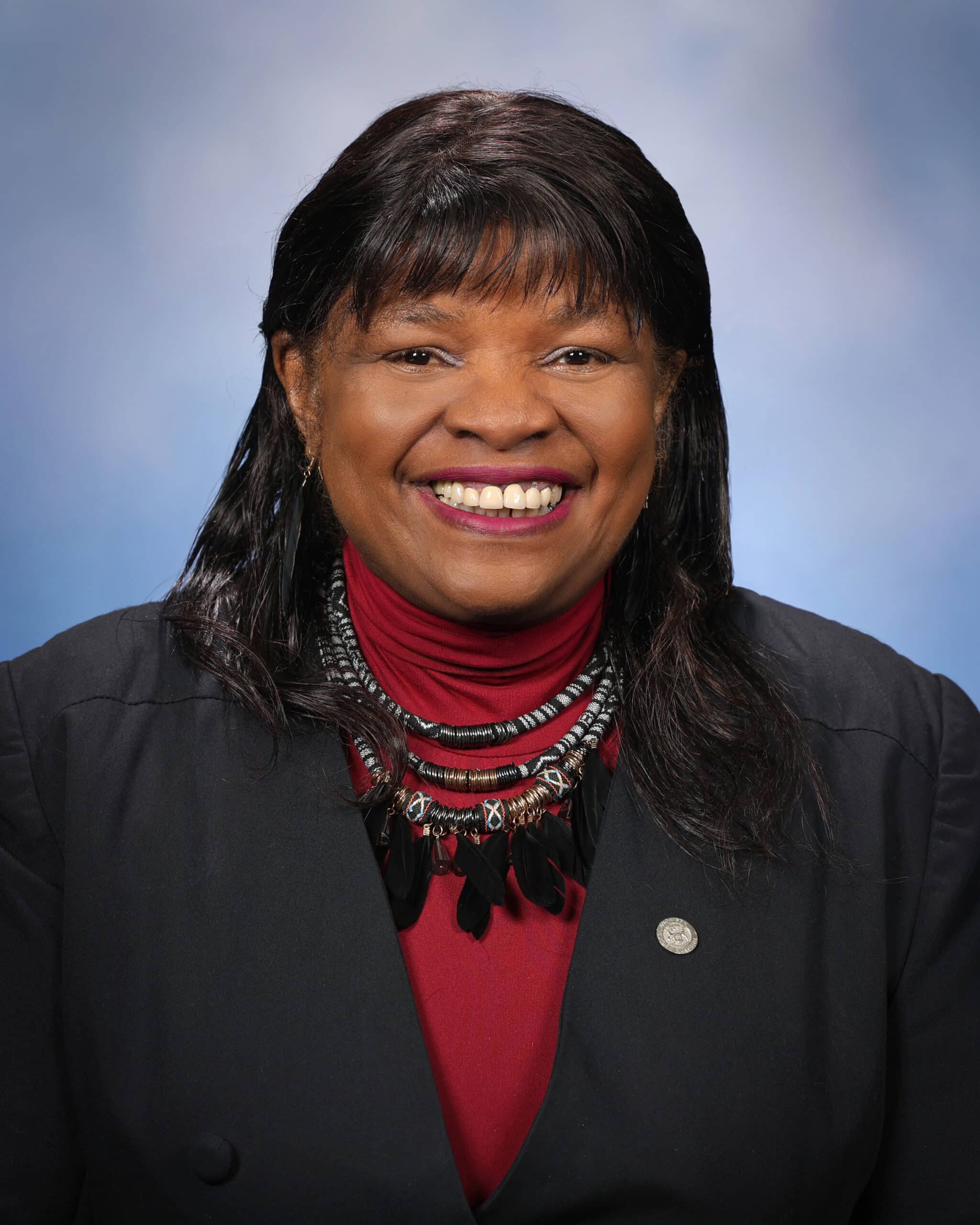
Rep. Brenda Carter
Sponsored bills
Maddy summaryHB 5393 amends Michigan's unemployment benefits law to change how overpaid benefits are recovered. It requires the unemployment agency to issue a repayment demand within 3 years of a final determination about overpayment, and prohibits recovery actions after that deadline (except for suspected identity fraud). The bill creates specific waiver conditions where repayment may be forgiven, including cases of agency errors, low household income (below 150% of federal poverty guidelines), or unintentional wage reporting mistakes by employers. This directly affects unemployed Michiganders who received incorrect benefits, ensuring they aren't required to repay overpayments after the 3-year window unless fraud is involved.
Maddy summaryHB 5392 updates Michigan's unemployment benefits recovery process by expanding eligibility for claimants to request waivers of repayment for improperly paid benefits. It allows claimants 60 days after receiving an overpayment notice to submit evidence showing repayment would be "contrary to equity and good conscience," such as administrative errors by the agency, employer-provided incorrect wage data, or household income below 150% of the federal poverty level. The bill clarifies that waivers apply retroactively from the date of the error or application, and requires refunds for payments made after the waiver request. This directly affects individuals who received unemployment benefits they later had to repay due to agency or employer errors.
Maddy summaryHB 5373 would limit how much mass entertainment venues (like stadiums, arenas, and concert halls) can charge for bottled water. It amends Michigan's Consumer Protection Act by adding a new provision (Section 3j) requiring venues to set a specific price cap on bottled water sold at these locations. This directly affects consumers purchasing bottled water at large events, ensuring they aren't charged excessive prices. The bill establishes a clear price limit for bottled water sales, aiming to protect consumers from inflated costs during events.
Maddy summaryHB 5374 requires that workers on specific broadband service projects in Michigan be paid prevailing wages and fringe benefits, as defined by state labor law. This applies to broadband developers constructing, maintaining, or expanding infrastructure (like fiber optic lines) for new projects funded by state or local governments, but excludes projects receiving federal funding under the Infrastructure Investment and Jobs Act or the Coronavirus Capital Projects Fund. The bill amends Michigan’s existing prevailing wage law to explicitly include broadband service projects under the same wage standards as other state-funded construction work. It defines key terms like "broadband service project" and clarifies which federal programs are exempt from these requirements.
Maddy summaryHB 5355, the "Michigan Fair Chance Access to Housing Act," prohibits landlords from requiring or considering an applicant's criminal record during initial rental screening. Landlords must issue a conditional offer after checking income, credit, or rental history, then may only consider specific serious offenses (like arson, human trafficking, or sex offenses requiring registration) or recent felonies within 3 years after a conditional offer is made. Landlords must disclose if they consider criminal records and allow applicants to submit evidence of rehabilitation or mitigating factors before denying housing. This bill directly affects landlords across Michigan and rental applicants with criminal records, aiming to reduce barriers to housing based solely on past convictions.
Maddy summaryHB 5349 requires Michigan's Department of Health to create standardized forms for two types of school immunization exemptions. Medical exemptions (for health reasons) must include details like the vaccine type, reason for exemption, and expiration date. Non-medical exemptions (for religious or other objections) must include education about vaccine benefits and risks, require in-person form pickup from a health department, and include witnessed signatures. This bill directly affects parents seeking exemptions, schools requiring immunization records, and local health departments distributing the forms.
Maddy summaryThis resolution symbolically recognizes December 13, 2025, as "National Wreaths Across America Day" in Michigan. It does not create new laws or policies but formally honors Michigan's participation in the non-profit Wreaths Across America's annual event, where volunteers place wreaths on veterans' graves. The resolution acknowledges that Michigan will host 96 locations across the state, with approximately 60,000 wreaths laid to honor fallen veterans, active-duty military, and their families. It serves as a ceremonial declaration of the state's support for this existing national observance.
Maddy summaryHB 5344 amends Michigan's school code to update how public schools report student vaccination rates. It requires schools to submit annual immunization status reports to health officials by November 1 and February 1, including vision screening data for kindergarten students. Starting in 2028, schools must provide de-identified, aggregated data showing vaccination rates (fully/partially immunized and waiver percentages) and share each student's vaccination status with parents via mail, email, website links, and physical notices in school offices. The bill focuses on transparency and data collection for public health monitoring, without changing vaccination requirements.