

Maddy summaryThis bill requires the state to create a program that offers extra reimbursement to public ground emergency medical transportation providers serving Medicaid recipients. To qualify, providers must be owned or operated by a government entity, such as a city, county, or fire authority, and be enrolled as Medicaid providers. The additional payments are calculated based on federal funding rules and are capped so that total reimbursement does not exceed the actual cost of the services provided. Participation in this supplemental reimbursement program is voluntary for eligible providers.
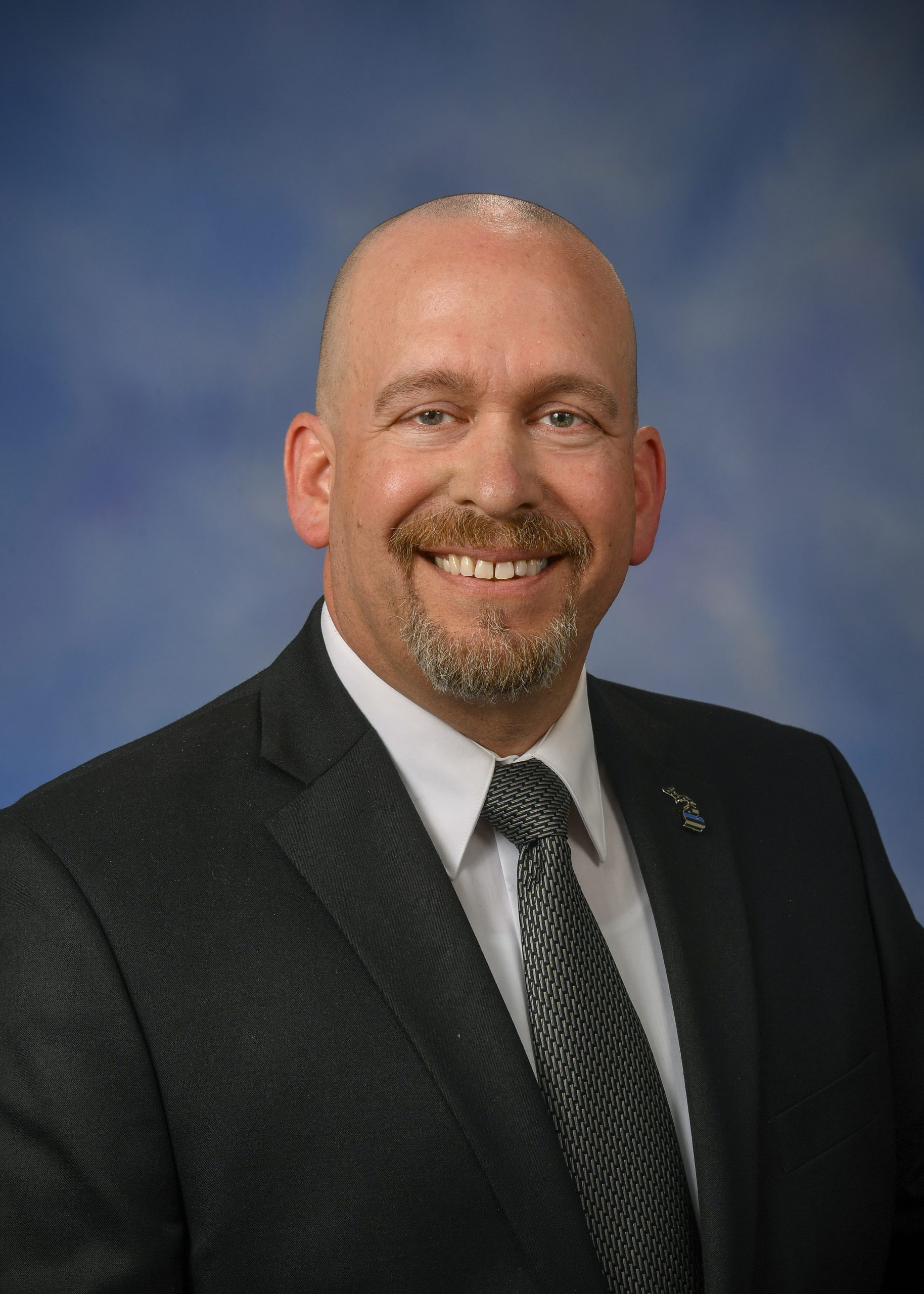
Rep. Mike Harris
Sponsored bills
Maddy summaryThis bill creates a new Office of Tribal Legislative Liaison within Michigan's Legislative Council to strengthen government-to-government relationships between the state legislature and federally recognized tribes. The office will be led by a liaison appointed by the council from a list provided by the United Tribes of Michigan, who will be supported by at least two policy advisors. Key duties include visiting each tribe annually, advising lawmakers on how proposed legislation impacts tribal communities, and providing mandatory training for legislators on tribal history and consultation processes. Additionally, the office must submit an annual public report detailing tribal concerns raised during the legislative process to the governor and legislative leaders.
Maddy summaryThis bill expands legal protections for individuals who voluntarily provide emergency bleeding control, such as using pressure, dressings, or tourniquets, to people in medical distress. It states that these individuals cannot be sued for damages resulting from their actions unless they act with gross negligence or willful misconduct. The law applies to anyone without a pre-existing duty to help who responds in good faith to an emergency situation. This change aims to encourage bystanders to assist with life-saving bleeding control measures without fear of civil liability.
Maddy summaryThis bill clarifies that health club owners, operators, and employees have no legal duty to provide emergency services when using an automated external defibrillator (AED) on their premises. It achieves this by amending the existing Good Samaritan Act to explicitly state that individuals are not required to render emergency aid in these situations. The legislation also confirms that this change does not restrict the protections already available under the state's Good Samaritan Act for other types of emergency assistance.
Maddy summaryThis bill updates Michigan's health education standards to require middle and high school students to receive instruction in cardiopulmonary resuscitation, automated external defibrillator use, and first aid response kits. The curriculum must be based on guidelines from recognized organizations like the American Red Cross or the American Heart Association and should include hands-on practice for students physically able to participate. Schools are permitted to use various community professionals, such as paramedics or firefighters, to teach these skills, while online-only programs are exempt from the hands-on requirement. Additionally, the law clarifies that regular teachers do not need CPR certification unless they are teaching a course that results in an official certification card for the students.
Maddy summaryThis bill amends state law to allow Michigan county boards of commissioners to hire retired employees back into county sheriff's offices without requiring them to forfeit their retirement benefits. The legislation clarifies that counties can employ retirees in this specific role while they continue to receive their existing pension or retirement allowance. By modifying section 12a of the 1951 County Boards of Commissioners Act, the measure provides legal authority for counties to utilize the experience of former sheriff's office staff without creating a financial penalty for their retirement status.
Maddy summaryThis bill updates Michigan's Drain Code to streamline the process for changing drainage district boundaries after a county or intercounty drain has been built. It allows landowners, groups of freeholders, or municipalities to petition the drain commissioner to add or remove counties from a district if such changes are needed for public health or welfare. Upon receiving a petition, the drain commissioner must notify relevant officials and convene a drainage board meeting where affected parties can present evidence before a decision is made. If the board approves the change, it determines how construction costs are shared among the counties involved and issues an official order to adjust the district lines. The legislation also clarifies the roles of surveyors and engineers in reviewing boundaries and revising them to include all lands that benefit from the drain.
Maddy summaryThis bill modifies Michigan's vehicle code to clarify lane usage rules for drivers on roadways with two or more lanes traveling in the same direction. It requires vehicles to stay in the extreme right-hand lane unless passing, turning left, avoiding streetcars, or responding to construction. The law specifically restricts heavy trucks and trailers from using any lane other than the rightmost one on freeways with three or more lanes, except when making turns or avoiding hazards. Local governments are also prohibited from passing ordinances that contradict these specific lane assignment rules. Violations of these requirements are classified as civil infractions.
Maddy summaryThis bill expands eligibility for special "disabled veteran" license plates in Michigan to include partially disabled veterans who have a service-connected disability rating of at least 50%, in addition to those with total disabilities. The law allows these eligible veterans to obtain plates marked with "DV" and "disabled veteran" without paying the standard service fee, while also permitting their surviving spouses to use the plates after the veteran's death. Furthermore, the legislation authorizes the Secretary of State to issue free adhesive disability tabs to these veterans and their spouses, provided the applicant also meets the state's criteria for a permanent windshield placard. These changes aim to increase recognition and support for a broader range of veterans by simplifying the application process and reducing associated costs.
Maddy summaryThis resolution designates September 11 through 17, 2024, as Patriot Week in Michigan to honor the nation's founding principles and historical figures. The bill encourages schools, government agencies, and citizens to participate in activities that celebrate American history, including the Constitution and key documents like the Declaration of Independence. By recognizing this week, the legislature aims to promote the study of the United States' heritage and acknowledge the sacrifices made by past generations.