

Maddy summaryHB 4416 amends Michigan's revised school code to establish new guidelines for unenrolling students. The bill prohibits public and nonpublic schools from unenrolling a student solely because another school requested their records. Instead, schools must receive written confirmation of a student's enrollment from their new school before officially unenrolling them. This confirmation must include specific details like the student's name, date of birth, grade level, the new school's information, and a signature from an authorized official.
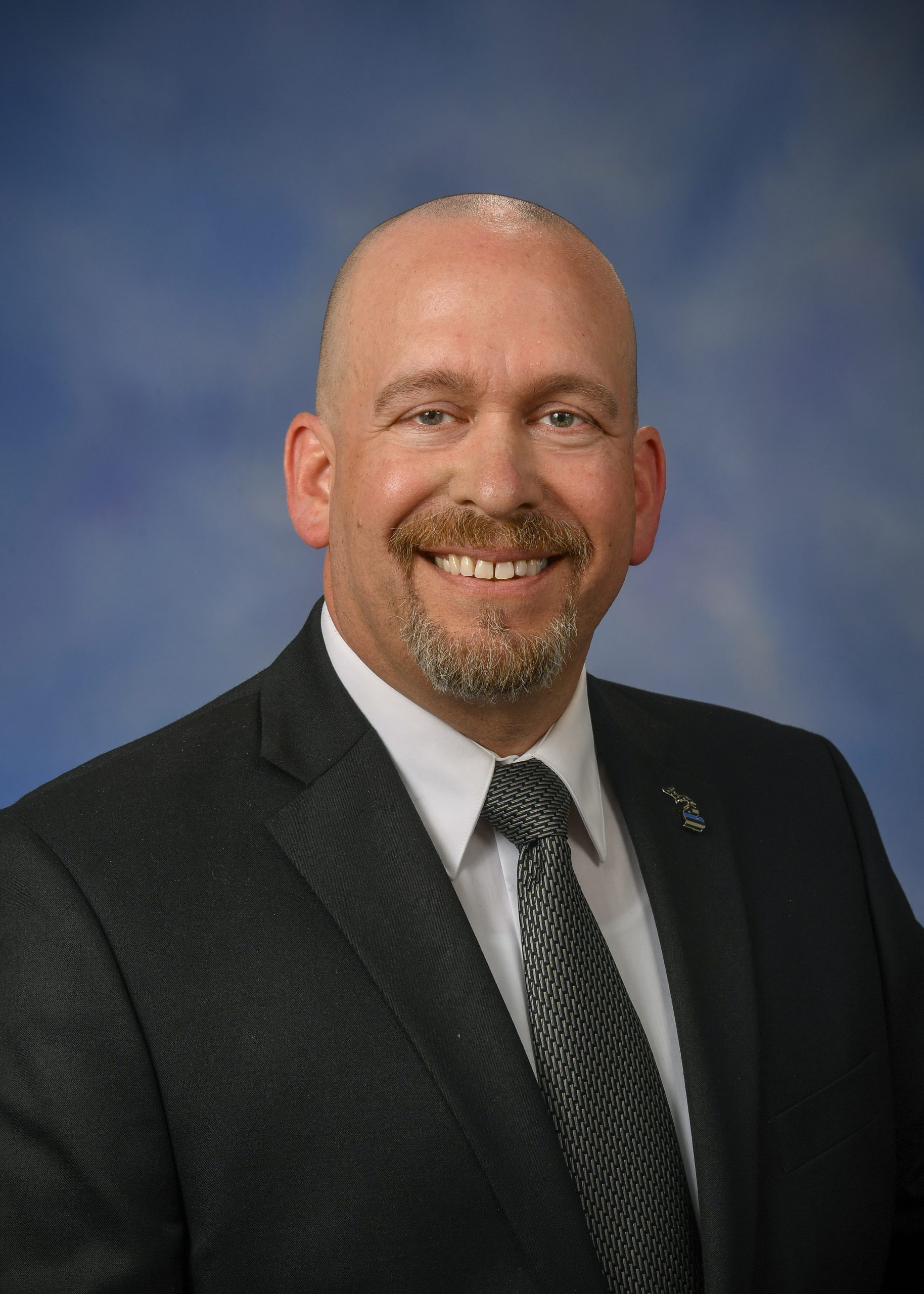
Rep. Mike Harris
Sponsored bills
Maddy summaryHouse Bill 4027 proposes to amend the Michigan Zoning Enabling Act. The bill would remove a provision that requires local zoning ordinances to be subject to Part 8 of the Clean and Renewable Energy and Energy Waste Reduction Act. This change means that local zoning authorities would no longer be directly bound by this specific part of the state's clean energy law when creating or enforcing their zoning regulations. The bill aims to alter the relationship between local land use planning and state renewable energy mandates.
Maddy summaryHouse Bill 4028 proposes to eliminate specific state-level provisions regarding the zoning and siting of large-scale solar, wind, and energy storage facilities. The bill achieves this by repealing Part 8 of the Clean and Renewable Energy and Energy Waste Reduction Act (2008 PA 295). This action would remove state authority over the certification and regulation of such facilities, effectively returning primary zoning control to local governments. It also amends the title of the existing act to reflect these changes.
Maddy summaryHB 4288 prohibits Michigan state agencies from hiring for unclassified positions based on factors other than objective merit, such as education or work experience. It directly affects state agencies hiring for roles outside the classified civil service (e.g., certain executive branch positions). The bill requires hiring decisions to rely solely on merit-based criteria and imposes civil fines of up to $10,000 per violation, with the attorney general authorized to collect penalties. This legislation creates new requirements for state hiring practices under Michigan law.
Maddy summaryHB 4260 redirects $115 million annually from Michigan's 4% general sales tax revenue into the Public Safety and Violence Prevention Fund starting with the 2025-2026 fiscal year. This change affects state budget allocations, shifting funds previously going to the general fund toward public safety and violence prevention programs. The bill amends Michigan's General Sales Tax Act (MCL 205.75) to establish this specific annual transfer, with the amount adjusted based on actual tax collections. It does not create new taxes but reallocates existing revenue streams.
Maddy summaryHouse Bill 4366 proposes to amend Michigan's Code of Criminal Procedure. Specifically, it modifies section 13c of chapter XVII (MCL 777.13c), which outlines sentencing guidelines. The bill aims to adjust the sentencing guidelines for certain offenses related to excess discharges into the waters of the state. This change would directly affect individuals or entities convicted of such environmental violations, impacting how their sentences are determined by the courts.
Maddy summaryHouse Bill 4365 amends Michigan's Natural Resources and Environmental Protection Act concerning discharges of untreated or partially treated sewage. It expands the list of parties that sewer system operators must notify immediately (within 24 hours) after a discharge begins, including additional county officials and local newspapers in potentially affected counties. The bill also clarifies requirements for testing affected waters for E. coli to assess public health risks. Violations of these updated notification and testing requirements are subject to existing civil fines ranging from $2,500 to $25,000 per day.
Maddy summaryHB 4336 amends Michigan's penal code to create new state crimes related to individuals who are not authorized to be in the United States. The bill establishes felony and misdemeanor offenses for knowingly bringing, transporting, harboring, or encouraging such persons to enter or remain in the U.S. It also creates a felony offense for knowingly hiring ten or more undocumented individuals for employment within a 12-month period. Penalties include fines and imprisonment, with higher penalties for offenses involving commercial gain, serious injury, or death. An exception is provided for religious organizations bringing in volunteer ministers or missionaries.
Maddy summaryHouse Bill 4337 proposes to amend Michigan's code of criminal procedure. It specifically modifies section 16t of chapter XVII (MCL 777.16t), which pertains to sentencing guidelines. The bill aims to establish new sentencing guidelines for individuals convicted of bringing in and harboring certain undocumented persons. This change would directly affect those charged with this specific crime and the courts responsible for their sentencing.
Maddy summaryThis bill, HB 4313, proposes an amendment to Michigan's Income Tax Act of 1967. Its stated purpose is to provide a new individual income tax deduction for residents who live in a legislative district with a vacant seat. The provided bill text outlines the existing structure for calculating taxable income and various current deductions, but it does not include the specific language or mechanisms for the proposed deduction related to vacant legislative seats. Therefore, the details of how this deduction would be implemented are not available in this truncated text.