

Maddy summaryHB 4781 amends Michigan's Whistleblowers' Protection Act to strengthen penalties for employers who retaliate against employees reporting violations. It increases the civil fine for violations from $500 to $2,000 per offense and requires employers to pay triple back wages to affected employees. The bill directly impacts workers who report wrongdoing (whistleblowers) and employers who retaliate, ensuring greater financial accountability. All collected fines must be deposited into the state general fund.
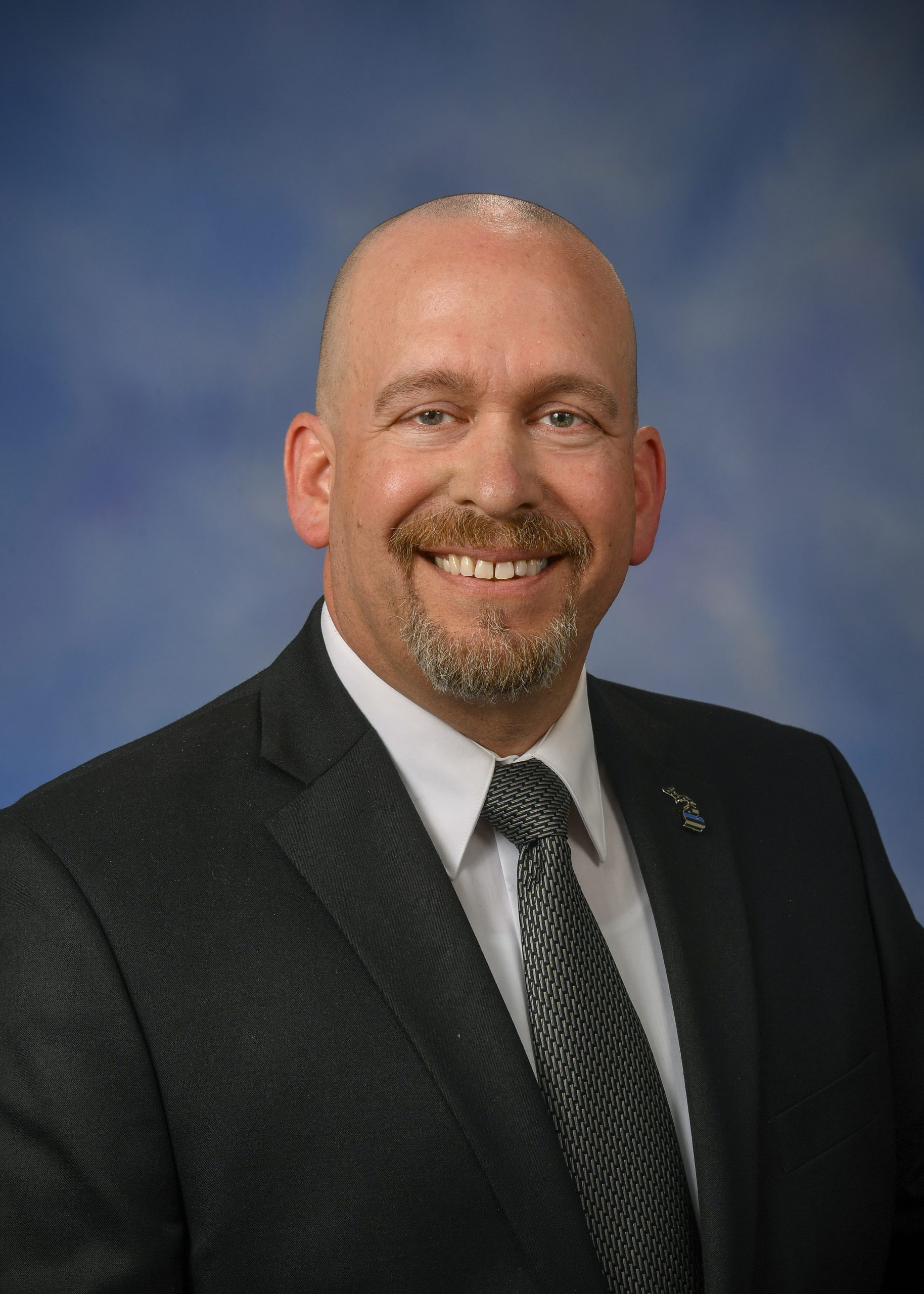
Rep. Mike Harris
Sponsored bills
Maddy summaryThis constitutional amendment (HJR K) proposes allowing either Michigan legislative house to suspend a member's salary or expense allowance by a two-thirds vote when the member acts unethically or is excessively absent from regular sessions. It amends Article IV, Sections 12 and 16 of the state constitution to establish this process, requiring the house to document the suspension reason in its journal with voting records. The change directly affects state legislators who face disciplinary action for misconduct or attendance issues. If approved, this would give legislative bodies a formal mechanism to withhold compensation for specific violations, rather than relying solely on expulsion.
Maddy summaryHB 4081 allows counties and municipalities in Michigan to set higher limits than the current state cap on the number of separate land parcels created when dividing a single property. It amends state law (MCL 560.108) that previously limited most land divisions to 12 parcels. The bill directly affects local governments, developers, and property owners by giving communities more flexibility to manage land use and development density. This change removes the state-imposed cap, enabling local authorities to establish their own parcel limits based on community needs.
Maddy summaryHB 4756 amends Michigan's Capitol Historic Site Act to allow licensed individuals (including those with out-of-state permits) to carry concealed pistols inside the state capitol building. It specifically requires that such individuals present their concealed pistol license to capitol security officers or legislative sergeants at arms upon request. This bill directly affects licensed gun carriers who currently face restrictions within the capitol building. The change removes the existing prohibition on concealed carry in the capitol, aligning with the commission's role in managing the site without restricting licensed carry.
Maddy summaryHB 4390 expands Michigan's vehicle code to allow testing of oral fluid (such as saliva) for controlled substances, alongside blood, breath, or urine, when determining impairment. It directly affects commercial drivers who refuse chemical tests for controlled substances or alcohol while operating commercial vehicles. The bill adds a new definition of "other bodily fluid" to include oral fluid and creates a process for "preliminary oral fluid analysis" conducted by certified experts at the scene. This change updates existing suspension rules for commercial drivers who refuse testing, ensuring consistent enforcement for controlled substances alongside alcohol. The policy change specifically targets commercial motor vehicle operators who decline chemical tests for drugs or alcohol.
Maddy summaryHB 4391 expands Michigan's vehicle code to allow law enforcement to test for intoxication using other bodily fluids beyond blood or breath, such as urine or saliva. It directly affects drivers suspected of operating a vehicle while impaired, updating sections 625a, 625c, and 625g of the 1949 Michigan Vehicle Code (MCL 257.625a et seq.). The bill amends existing testing methods to include these additional fluids, providing more flexibility for officers during DUI investigations. The bill passed the Michigan House on July 17, 2025, with immediate effect.
Maddy summaryHB 4721 creates tax credits for biodiesel sales and production in Michigan, effective 2025-2030. Retail fuel dealers receive credits of $0.02-$0.07 per gallon for selling biodiesel blends (6-9%, 10-19%, or 20%+), while biodiesel producers get $0.02 per gallon. Total credits are capped at $16 million annually for retailers and $2 million for producers, with excess claims distributed proportionally. The bill directly affects Michigan fuel retailers and biodiesel producers by reducing their income tax liability based on specific blend volumes sold or produced.
Maddy summaryHB 4712 creates a new program through which the Michigan Department of Military and Veterans Affairs will reimburse eligible Michigan National Guard members for premiums paid toward Tricare Reserve Select or Tricare Dental coverage. The program allows the department to award grants to qualifying members who apply using a department-provided form, covering premiums for these specific health plans. It directly affects Guard members who are not on active duty and lack other employer or private health insurance. The bill establishes the framework for administering these reimbursements but does not specify funding amounts or application deadlines.
Maddy summaryHB 4722 creates tax credits to incentivize biodiesel use in Michigan. Retail fuel dealers selling biodiesel blends (6-9% at $0.02/gal, 10-19% at $0.05/gal, 20%+ at $0.07/gal) can claim credits, while biodiesel producers get $0.02 per gallon produced. Credits apply for tax years 2025-2030, with a $16 million total cap for retailers and a $2 million cap for producers. This directly affects Michigan fuel retailers and biodiesel manufacturers by reducing their income tax liability for qualifying sales and production.
Maddy summaryHB 4263 prohibits sellers from using automated programs to bypass purchase limits during online ticket sales for concerts, sports events, and other public entertainment events requiring admission fees. It bans circumventing security systems that enforce ticket limits, electronic queues, or fraud checks, targeting practices like bot-driven bulk purchases. The law directly affects ticket sellers (who must implement these security measures) and buyers attempting to use automated tools to bypass restrictions. This creates new requirements for online ticket sales to ensure fair access to event tickets.