

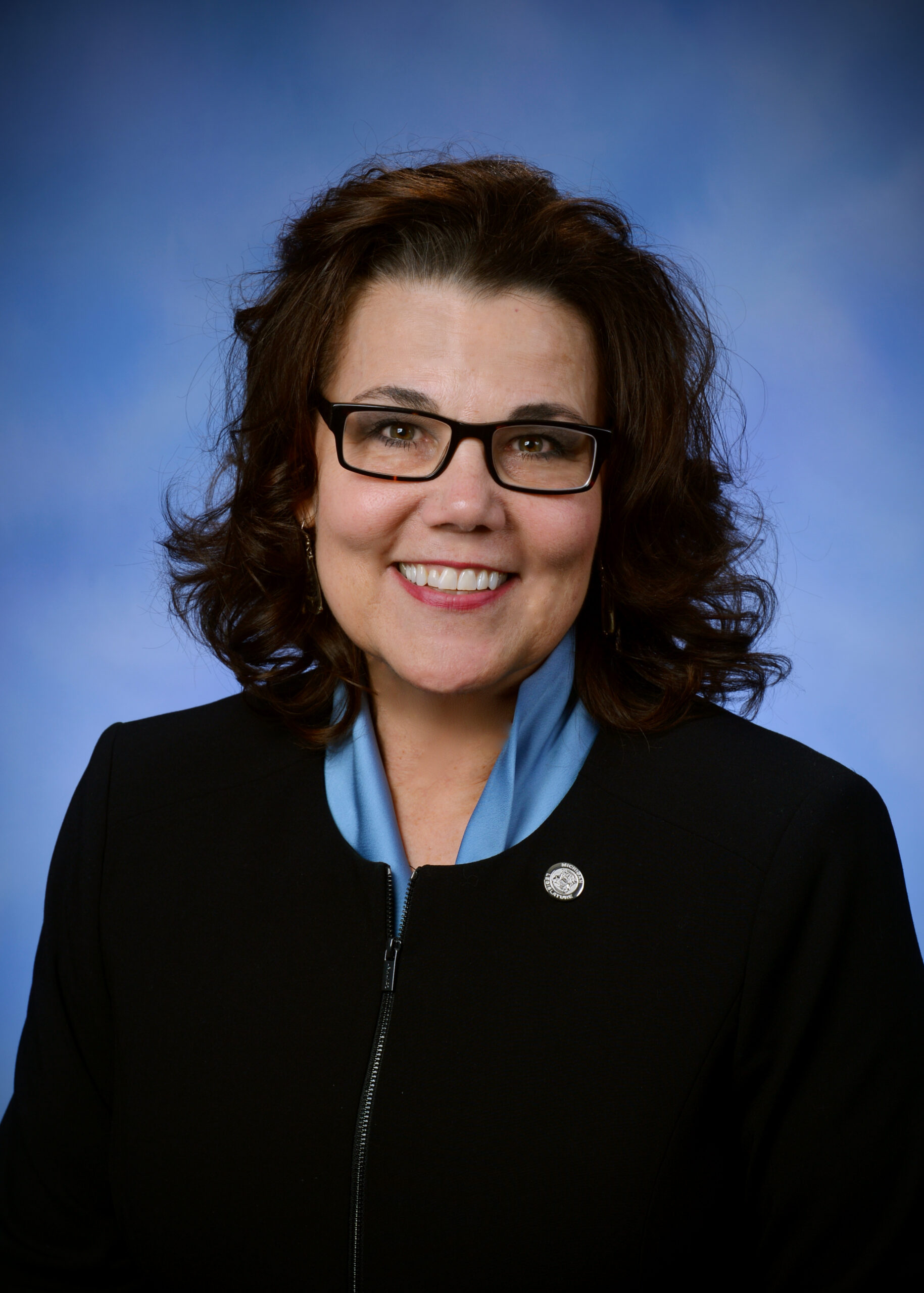
Photo of Ann Bollin
R Michigan House · District 49 On the 2026 ballot

Rep. Ann Bollin

Compare
Total votes
2,884
all sessions
Attendance
100%
8 missed
Near the chamber average
With party
94%
of cast votes
Near the chamber average
Bipartisan score
3%
crosses aisle rarely
Near the chamber average
Sponsored
532
bills & resolutions
Lower than 95% of chamber peers
Committees
2
assignments
532 bills and resolutions

Sponsored bills

Total
532
Primary
86
Co-sponsor
446
This page
532
matching current filters
Primary HB 5622
In committee · Michigan House · Lead sponsor
Appropriations: supplemental; appropriations for multiple departments and branches for fiscal year 2023-2024; provide for. Creates appropriation act.

Maddy summaryHB 5622 is a supplemental appropriations bill that allocates additional state funds to multiple Michigan departments, agencies, the judicial branch, and the legislative branch for the 2023-2024 fiscal year. It provides funding adjustments without creating new programs or policies, directly affecting how state agencies spend existing budget allocations. The bill's key mechanism is establishing supplemental funding levels to cover specific operational needs within the state government's existing budget structure.

In committee Mar 3, 2026 0 co-sponsors
Primary HB 5633
In committee · Michigan House · Lead sponsor
Appropriations: supplemental; supplemental appropriations in the school aid act for fiscal year 2026-2027; provide for. Amends secs. 11 & 17b of 1979 PA 94 (MCL 388.1611 & 388.1617b).

Maddy summaryHB 5633 is a supplemental appropriations bill that increases funding for Michigan public schools for fiscal years 2026-2027. It adds $100 million from a new school consolidation and infrastructure fund, adjusts allocations from other funds (like the state school aid fund and general fund), and specifies payment schedules for school districts. The bill amends payment timing rules in Section 17b, requiring monthly distributions from October through August with July/August payments accruing to the next school year. This directly affects all public school districts and intermediate districts receiving state education funding under Michigan's School Aid Act.

In committee Mar 3, 2026 0 co-sponsors
Primary HB 5604
In committee · Michigan House · Lead sponsor
Appropriations: department of health and human services; appropriations for fiscal year 2026-2027 for Medicaid and behavioral health; provide for. Creates appropriation act.

Maddy summaryHB 5604 allocates state funding for Medicaid and behavioral health services under Michigan's Department of Health and Human Services for the 2026-2027 fiscal year (ending September 30, 2027). It provides the specific budget amounts needed to cover these programs, directly affecting Medicaid recipients and behavioral health providers across the state. The bill is procedural, establishing the legal framework for spending these funds but not changing program rules or eligibility.

In committee Mar 3, 2026 0 co-sponsors
Primary HB 5623
In committee · Michigan House · Lead sponsor
Appropriations: supplemental; appropriations for multiple departments and branches for fiscal year 2024-2025; provide for. Creates appropriation act.

Maddy summaryHB 5623 allocates additional state funds to multiple departments, the judicial branch, and the legislative branch for the 2024-2025 fiscal year. It creates a supplemental appropriations act specifying how these funds can be used, ensuring state operations continue without disruption during the fiscal year ending September 30, 2025. This procedural bill directly affects state government agencies by providing necessary funding authority.

In committee Mar 3, 2026 0 co-sponsors
Primary HB 5616
In committee · Michigan House · Lead sponsor
Appropriations: capital outlay; appropriations for fiscal year 2026-2027; provide for. Creates appropriation act.

Maddy summaryHB 5616 allocates funding for capital projects during Michigan's 2026-2027 fiscal year. It provides money to demolish, construct, renovate, or equip buildings and facilities on state property, public universities, community colleges, and state-owned properties. The bill establishes the specific appropriations needed for these physical improvements. It directly affects state agencies, higher education institutions, and the state building authority by authorizing their use of these funds for infrastructure. This is a standard funding bill, not a policy change, focused solely on financing eligible construction and renovation work.

In committee Mar 3, 2026 0 co-sponsors
Primary HB 5627
In committee · Michigan House · Lead sponsor
Appropriations: supplemental; appropriations for multiple departments and branches for fiscal year 2027-2028; provide for. Creates appropriation act.

Maddy summaryHB 5627 is a supplemental funding bill that allocates additional state money for Michigan departments, the courts, and the legislature for the 2027-2028 fiscal year (ending September 2028). It directly affects state agencies and branches by providing supplemental funds beyond their regular budgets to cover specific needs. The bill includes conditions on how these funds can be spent and outlines the process for their expenditure. This is a procedural budget measure focused on funding allocation, not policy changes.

In committee Mar 3, 2026 0 co-sponsors
Primary HB 5620
In committee · Michigan House · Lead sponsor
Appropriations: omnibus; appropriations for multiple departments and branches for fiscal year 2026-2027; provide for. Creates appropriation act.

Maddy summaryHB 5620 is an omnibus budget bill that allocates funding to multiple Michigan state departments, agencies, the judicial branch, and the legislative branch for the fiscal year ending September 30, 2027. It establishes the state's budget framework by distributing appropriations across various government entities and setting conditions for how the funds can be spent. The bill does not create new policies or programs but provides the financial resources needed for existing state operations during the 2026-2027 fiscal year. It directly affects all state agencies receiving allocated funds and requires them to follow the specified spending conditions.

In committee Mar 3, 2026 0 co-sponsors
Primary HB 5621
In committee · Michigan House · Lead sponsor
Appropriations: omnibus; appropriations for multiple departments and branches for fiscal year 2027-2028; provide for. Creates appropriation act.

Maddy summaryHB 5621 is the state's main funding bill for fiscal year 2027-2028, providing necessary money for all Michigan state departments, the judicial branch, and the legislative branch. It consolidates and adjusts existing budgets to cover operations, salaries, and programs across the state government. As an omnibus appropriations bill, it directly affects how state agencies receive and spend public funds during the upcoming fiscal year, without changing policies or creating new programs. The bill is currently in committee for review after its introduction on February 26, 2026.

In committee Mar 3, 2026 0 co-sponsors
Primary HR 249
Passed · Michigan House · Lead sponsor
A resolution to amend the Standing Rules of the House of Representatives.

Maddy summaryThis bill amends House Rules 40 and 52 to change procedural rules for introducing bills and handling appropriations. Rule 40 requires four printed bill copies delivered to the Clerk three hours before session, adds co-sponsor signature rules, and mandates same-day referral to committees. Rule 52 requires disclosure of immigration-related policies for municipalities or universities receiving "legislatively directed spending" (like targeted grants), including written certifications confirming compliance with federal immigration enforcement. These changes directly affect House members introducing bills and local governments/universities seeking specific state funding.

Passed Feb 24, 2026 0 co-sponsors
Primary HR 231
In committee · Michigan House · Lead sponsor
A resolution to amend the Standing Rules of the House of Representatives.

Maddy summaryThis bill amends House rules to require transparency and compliance for appropriations bills that include "legislatively directed spending" (funds specifically directed to a recipient). It prohibits voting on such bills if the recipient is a municipality or university with policies that "subvert immigration enforcement" or refuse to comply with federal immigration measures. Municipalities/universities must submit documentation proving their policies align with federal immigration law and provide certification from authorized leaders. The rule applies to all such spending items except those for disaster relief, state agencies, or competitive funding processes.

In committee Feb 19, 2026 0 co-sponsors
Showing 31 to 40 of 532 bills
Previous 1 3 4 5 54 Next