

Maddy summaryThis bill designates euchre as the official game of the state of Michigan. It creates a new act to formally establish this title in state law. The legislation does not impose any regulations or restrictions on how the game is played, but rather serves as a symbolic designation for the state.

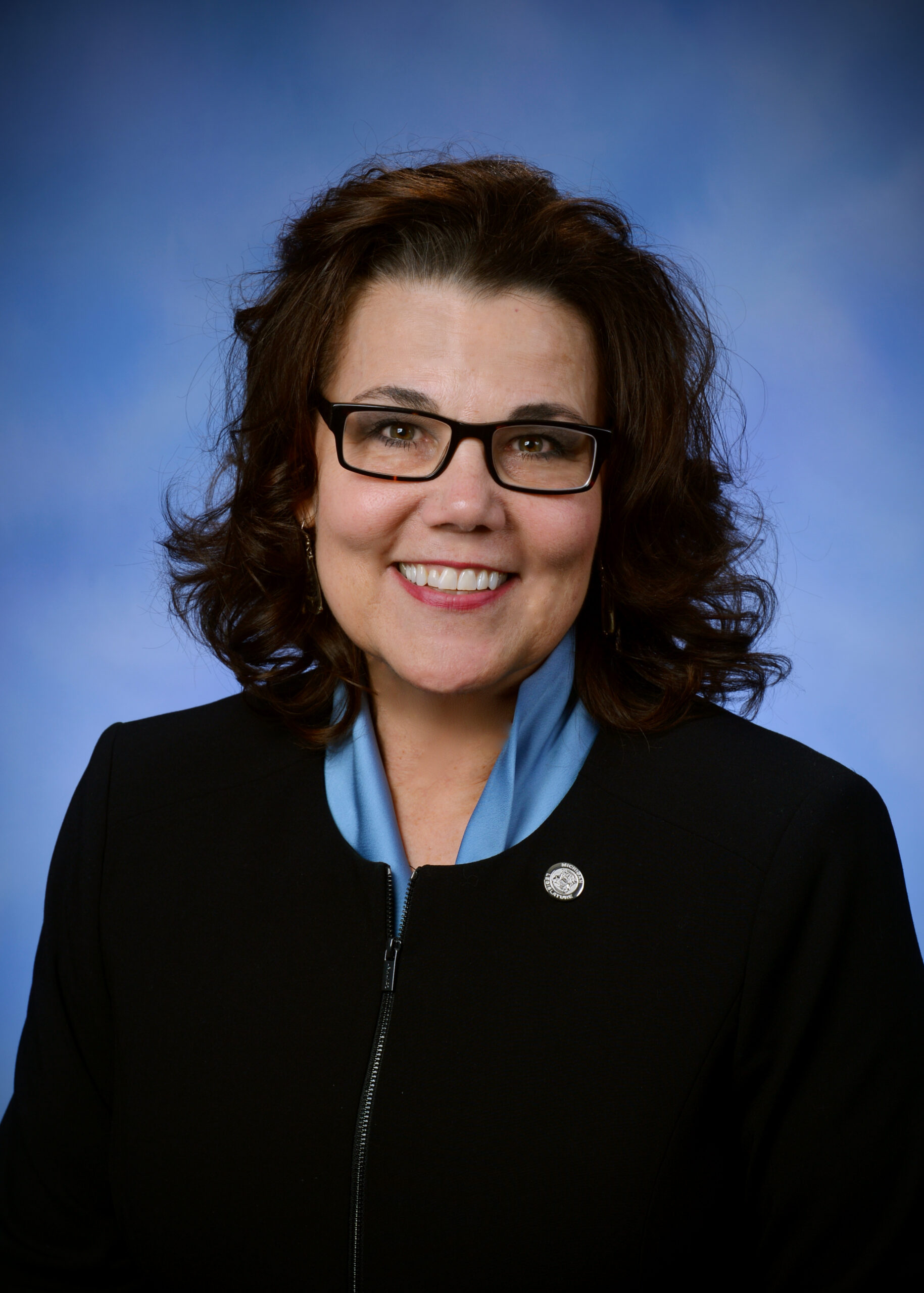
Rep. Ann Bollin
Sponsored bills
Maddy summaryMichigan House Bill 6259 proposes to amend the state's criminal procedure code by updating the sentencing guidelines for specific felonies, including various degrees of criminal sexual conduct and assault with intent to commit sexual penetration. The bill directly affects individuals convicted of these offenses by establishing or modifying the statutory maximum sentences and offense categories used by judges to determine punishment. It is a procedural measure that takes effect 90 days after enactment, provided that two related bills, HB 6261 and HB 6262, are also passed into law during the same legislative session.
Maddy summaryThis bill prohibits health care providers in Michigan from charging facility fees for certain services starting January 1, 2027. It directly affects hospitals, urgent care clinics, and other health facilities that currently bill patients for facility fees separate from professional medical fees. The law bans facility fees for telemedicine services, services provided in non-hospital facilities, and outpatient hospital services except in emergency rooms or during observation periods. Providers must clearly identify facility fees on bills and inform patients about the fee amount before services are rendered. Patients who believe they were improperly charged can sue for damages, with court costs and attorney fees awarded to successful plaintiffs.
Maddy summaryThis bill modifies the Michigan Trust Fund Act to establish a permanent Community District Education Trust Fund designed to help schools in specific districts that are currently prohibited from raising local taxes. The fund will be financed by depositing up to $617 million in tobacco settlement revenue starting in fiscal year 2017, with the money used to cover gaps in state funding for these districts. The legislation also sets a sunset provision requiring that any remaining balance in the fund be transferred to the state school aid fund after September 30, 2026.
Maddy summaryHB 5630 allocates funding for Michigan's public K-12 schools and community colleges for fiscal years 2026-2027. It provides $18.37 billion for K-12 schools from the state school aid fund, general fund, and other education trust funds, plus $493 million for community colleges across 12 institutions. The bill specifies exact funding amounts for each community college's operations and includes provisions for unused funds to transfer to a stabilization fund. This omnibus appropriations bill directly affects all public school districts and community colleges statewide by setting their state funding levels for the next two fiscal years.
Maddy summaryHB 4103 adds a new section to Michigan's health occupations law to implement an occupational therapy licensure compact. This bill allows occupational therapists licensed in Michigan to practice in other participating states without obtaining separate licenses, and vice versa for therapists from other compact states. It directly affects occupational therapists seeking to work across state lines, reducing barriers to practice. The compact mechanism establishes standardized licensing requirements among participating states, streamlining the process for therapists to provide services in multiple jurisdictions.
Maddy summaryHB 4104 updates Michigan's occupational therapy licensing rules to join a multi-state licensure compact. This would allow occupational therapists licensed in Michigan to practice in other participating states without obtaining separate licenses. The bill modifies existing law to align with the compact's standards and adds new sections for implementation. It directly affects occupational therapists seeking to work across state lines within the compact.
Maddy summaryHB 4187 modifies Michigan's corporate income tax law by adjusting how the tax base is calculated and clarifying revenue distribution. It requires corporations to add back certain taxes and expenses previously deducted for federal purposes (like state taxes or related-party royalties) and eliminates deductions for oil/gas and mineral-related income and expenses. For the 2021-2022 fiscal year, the bill directs $800 million of corporate tax revenue to the Michigan taxpayer rebate fund, while other years’ revenue flows to the general fund. This directly affects corporations operating in Michigan and the state’s budget allocation process.
Maddy summaryThis bill proposes to increase the monthly personal needs allowance for residents of Michigan nursing homes from its current level to $90.00. The change directly affects low-income individuals who qualify for state medical assistance and are living in nursing facilities. By amending existing social welfare laws, the legislation ensures that this specific financial support is included in the protected basic maintenance level for eligible patients. The bill does not alter other eligibility requirements, such as income limits or asset thresholds, but updates the specific amount of money residents can keep for personal expenses.
Maddy summaryThis bill extends the state of energy emergency in Michigan by an additional 77 days, effective July 1, 2026. The measure allows the sale of E15 fuel in several counties where current regulations previously restricted it to lower vapor pressure gasoline. By suspending these fuel requirements, the extension aims to increase fuel supply options and help manage rising gas prices for consumers and businesses. The resolution requires approval from both the House and Senate before being sent to the Governor.