

Maddy summaryThis resolution (HR 172) declares September 17, 2025, as "Patient Safety Day" in Michigan. It symbolically recognizes the importance of patient safety in healthcare, honoring healthcare workers and raising awareness about preventing medical harm. As a non-binding resolution, it does not create new laws or policies but serves as a formal acknowledgment by the Michigan House of Representatives. The resolution was introduced and adopted on September 17, 2025, aligning with the World Health Organization's designated World Patient Safety Day.
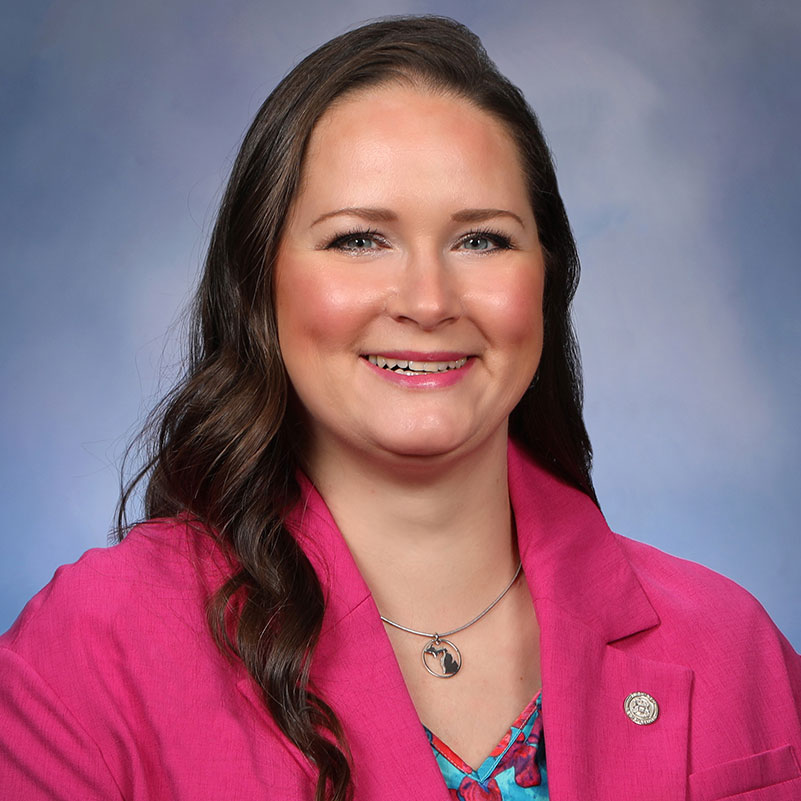
Rep. Carrie Rheingans
Sponsored bills
Maddy summaryHB 4866 updates Michigan's lead-based paint regulations for renovations, repairs, and painting in older buildings. It adopts federal EPA standards with key modifications, setting specific lead dust limits (e.g., 5 micrograms per square foot on floors) and requiring post-renovation testing to ensure safety. The bill directly affects renovation contractors, property owners, and child-occupied facilities (like schools) in pre-1978 buildings where lead paint may be present. It clarifies enforcement by Michigan’s Department of Health, updates certification rules for firms, and establishes fines up to $13,000 per violation for noncompliance. The changes aim to protect public health by reducing lead exposure during renovation work.
Maddy summaryHB 4867 requires local health departments or physicians to refer children under 3 years old with blood lead levels above 10 micrograms per deciliter to Michigan’s Early On program (which supports children with developmental needs). This amendment to the Public Health Code specifically adds this referral mandate to existing lead poisoning prevention requirements. The bill does not create new programs but directs existing resources toward early intervention for affected children. It maintains annual reporting requirements for the department on lead screening data and program expenditures. The bill directly affects young children with elevated lead levels and the health providers who manage their care.
Maddy summaryThis joint resolution proposes a constitutional amendment to clarify when Michigan's Supreme Court must determine if rebellion or invasion justifies suspending habeas corpus. It requires the court to rule within 48 hours if the governor, attorney general, or both legislative chambers (via roll call vote) request such a determination. The amendment directly affects the Supreme Court's role in emergency civil liberties decisions, ensuring a timely judicial check on potential government actions during crises. It does not change existing habeas corpus protections but adds procedural clarity to emergency suspensions.
Maddy summaryHB 4944 requires police to clearly inform individuals arrested for criminal offenses about their rights. Specifically, it mandates that officers advise arrestees of their right to remain silent, their right to have an attorney present during questioning, and that anything they say may be used against them in court. This directly affects people arrested for crimes in Michigan, ensuring they receive these standard due process warnings upon arrest. The bill amends Michigan's criminal procedure code to add this requirement as a new Section 1a in Chapter III.
Maddy summaryHB 4943 prohibits Michigan state and local governments from using public funds for legal actions that violate Section 12 of the state constitution (which protects equal protection and due process). It directly affects state agencies, cities, counties, and other local entities that manage public funds. The bill's key provision requires all government officials to ensure no state or local money is spent on lawsuits or proceedings conflicting with constitutional rights. This creates a clear legal barrier against government spending on cases deemed unconstitutional under Michigan's foundational law.
Maddy summaryHB 4942 prohibits Michigan state and local governments from using public funds to support legal actions that would violate Michigan’s constitution if the federal government suspends habeas corpus (a legal challenge to unlawful detention). It specifically blocks state/local spending on lawsuits or proceedings that conflict with Article I, Section 12 of Michigan’s 1963 Constitution, which protects individual liberty. The bill applies directly to state agencies, local governments, and officials who manage public funds. It takes effect immediately upon federal suspension of habeas corpus rights, creating a clear financial restriction for government entities.
Maddy summaryHB 4941 prohibits Michigan law enforcement agencies - including the state police, city, village, township, and county police - from entering into, modifying, or renewing agreements with U.S. Immigration and Customs Enforcement (ICE) under federal Section 287(g) of the immigration law. These agreements currently allow local officers to enforce federal immigration laws. The bill defines "immigration enforcement agreement" as such federal partnerships and takes effect immediately upon passage, barring any new or renewed arrangements. It directly affects all local and state law enforcement entities in Michigan by restricting their ability to collaborate on federal immigration enforcement.
Maddy summaryHB 4858 would prohibit Michigan state and local government entities from sharing personal information (like names, addresses, Social Security numbers, or criminal history) with anyone seeking it for enforcing federal immigration law, unless a court-issued warrant is presented. Government agencies must verify if a request is for immigration enforcement and deny disclosure without a warrant. The bill requires agencies to report annual requests related to immigration enforcement to the attorney general and legislature. It directly affects local law enforcement, courts, and other government offices that handle public records, as well as federal immigration authorities seeking such data.
Maddy summaryHB 4859 prohibits law enforcement officers from conducting immigration enforcement actions (like arrests, interviews, or searches) in specific sensitive locations, including schools, places of worship, hospitals, courthouses, and facilities serving vulnerable populations. The bill allows exceptions only if a court orders entry or if an immediate threat to public safety requires action. It directly affects law enforcement officers operating in Michigan and individuals present at these locations, such as students, patients, and worshippers. The law creates clear boundaries for immigration enforcement to protect access to essential services and community spaces.