

Maddy summaryThis resolution designates May 20, 2026, as Stroke Awareness Day throughout the state of Michigan. The measure serves as a symbolic observance to highlight the impact of strokes on residents and to recognize medical advancements in stroke treatment. It does not create new laws, allocate funding, or mandate specific actions for government agencies or the public. The text focuses on raising awareness about stroke statistics and recovery rather than implementing concrete policy changes.
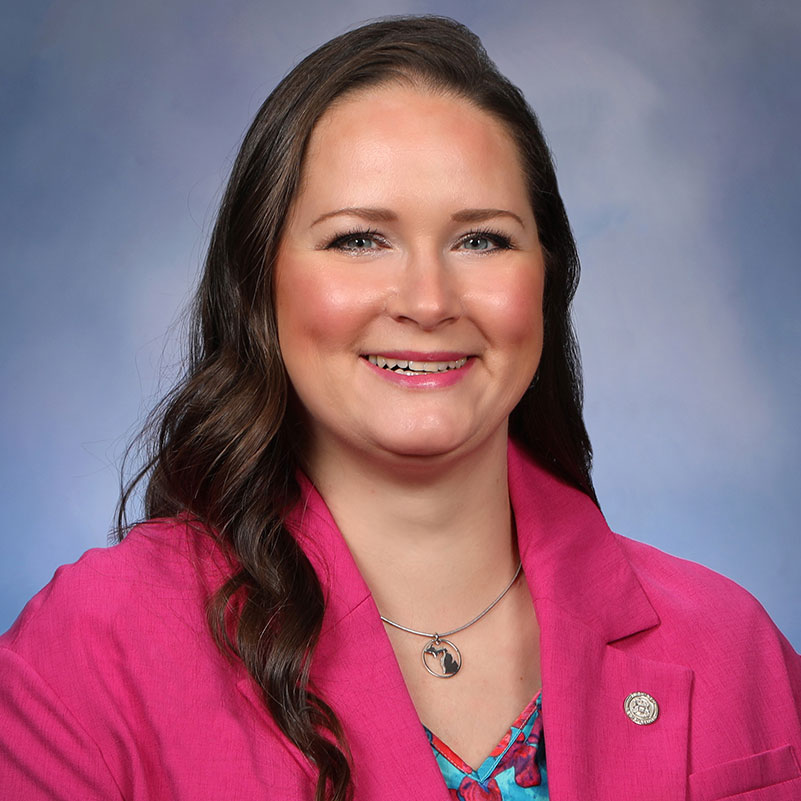
Rep. Carrie Rheingans
Sponsored bills
Maddy summaryHB 4696 amends Michigan's Guardianship Assistance Act (MCL 722.872) to expand the definition of "relative" for eligibility purposes. The bill adds that a "relative" may include individuals not related within the fifth degree by blood or marriage if they have a strong emotional connection to the child or the child's parent (especially for infants), as determined by the Department of Health and Human Services or the child's tribe for Indian children. This change directly affects foster youth and potential guardians seeking guardianship assistance payments by broadening who qualifies as a "relative" under the law. The amendment is tied to companion bill HB 4697 and would take effect only if both bills pass.
Maddy summaryThis bill amends Michigan's Guardianship Assistance Act to clarify eligibility for state-funded guardianship payments. It specifies that relatives or licensed foster parents caring for a child for at least six months may qualify, requiring background checks and fingerprinting for all adults in the home. The bill distinguishes between federal IV-E funding (for children meeting specific federal criteria) and state funding for other eligible children. It also ensures siblings placed together in a relative guardianship can each receive payments if they meet the criteria. The policy directly affects guardians caring for children in relative or foster care arrangements.
Maddy summaryHB 5981 requires automobile insurers in Michigan to file premium rates that achieve specific percentage reductions for personal protection insurance coverage by July 1, 2020, and maintain those reductions through 2028. The bill mandates that the state insurance director review and disapprove any filings that fail to meet these reduction targets, which vary based on the policy's coverage limits. Additionally, insurers must pass on savings from medical treatment costs incurred in accidents before July 2, 2021, and cannot issue or renew policies without director approval of their rates.
Maddy summaryThis bill updates Michigan's no-fault insurance laws to set new maximum payment limits for medical treatment and rehabilitation services provided to injured individuals. It establishes specific reimbursement percentages based on Medicare rates, which vary by year and the type of provider, such as general physicians, hospitals with high indigent patient volumes, specialized trauma centers, and designated freestanding rehabilitation facilities. The legislation also includes provisions for providers lacking Medicare payment benchmarks by capping their charges at a percentage of their historical rates from 2019. These changes directly affect healthcare providers treating personal protection insurance claims and the insurers that reimburse them.
Maddy summaryThis bill establishes an artificial intelligence governing board and creates a pilot program for state departments and agencies to test generative AI tools. The governor-appointed board will include experts in technology, ethics, and the private sector to develop ethical guidelines and advise on the program's implementation. Starting in January 2027, the pilot program allows approved state employees to use AI tools while prohibiting activities that violate privacy laws, discriminate, or compromise data security. The department of technology, management, and budget will manage the program, including auditing AI usage and providing training to ensure compliance with state and federal standards.
Maddy summaryThis bill, known as Messiah's Law, creates a new felony offense for intentionally firing a gun at a motor vehicle that the shooter knows or should know is occupied. The law directly affects individuals who commit this act by establishing criminal penalties that include up to 10 years in prison and a fine of up to $10,000. If the vehicle contains a minor, the penalties increase to a maximum of 20 years in prison and a fine of up to $20,000. The legislation amends Michigan's penal code by adding a new section to address this specific type of firearm discharge.
Maddy summaryThis bill proposes to amend Michigan's sentencing guidelines to address specific firearm-related offenses. It would establish sentencing recommendations for individuals who intentionally discharge a firearm from a vehicle or at a dwelling or potentially occupied structure. The changes would apply to judges and prosecutors handling cases involving these specific types of gun discharges. The legislation aims to provide clearer guidance on sentencing for these particular circumstances.
Maddy summaryThis Michigan House resolution designates May 15, 2026, as Arts for Mental Health Awareness Day to highlight the connection between creative arts and mental well-being. The measure acknowledges how participation in the arts can help reduce stress, anxiety, and feelings of isolation while supporting recovery from trauma. It specifically recognizes the roles of artists, art therapists, and arts organizations in building community resilience and improving public safety. By officially declaring this date, the legislature aims to encourage public awareness of arts-based health initiatives without mandating any specific actions or funding.
Maddy summaryThis bill designates May 2026 as Boating Safety Month throughout Michigan to highlight the importance of safe recreational boating practices. The resolution encourages all residents and visitors to engage in responsible behaviors, such as wearing life jackets, checking weather conditions, and following navigation rules. It serves as a commemorative measure to raise awareness among the state's large boating community rather than implementing new laws or regulations.