

Maddy summaryHB 4167 amends Michigan's sentencing guidelines to specifically address the illicit use of xylazine, a veterinary drug increasingly misused in illicit drug mixtures. The bill adds xylazine to the list of substances covered under sentencing guidelines (MCL 777.13m), meaning courts must now apply standardized sentencing ranges for convictions involving its unauthorized possession or use. This directly affects individuals convicted of xylazine-related offenses, including those using it alone or combined with other drugs. The change creates a clear, defined sentencing path for this specific offense, moving beyond general drug sentencing rules to address xylazine's growing public health impact. The bill was introduced on March 5, 2025, and referred to the Judiciary Committee.
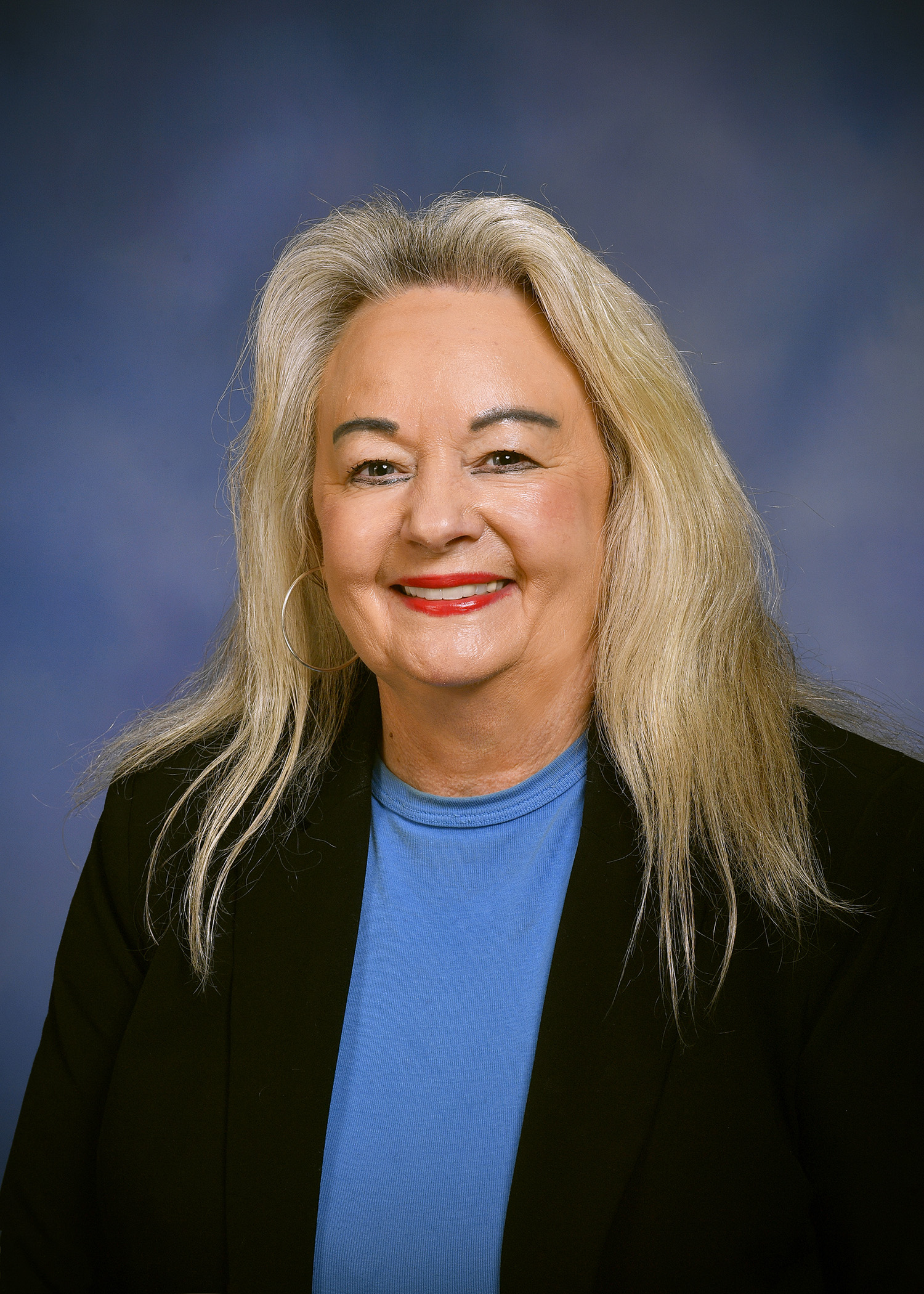
Rep. Kathy Schmaltz
Sponsored bills
Maddy summaryHB 4165 amends Michigan's licensing requirements for psychologists by updating the supervised postgraduate experience rules. The bill modifies Section 18223 of the Public Health Code to clarify that individuals seeking a full psychology license must complete at least one year of supervised postdoctoral experience in a healthcare setting, as defined by the licensing board. It also specifies that limited licenses for master's degree holders require similar supervised experience and mandate that these licenses include two key restrictions: mandatory supervision by a fully licensed psychologist and prohibitions on advertising as a fully licensed practitioner. The changes primarily affect psychology applicants and current license holders seeking to transition to full licensure.
Maddy summaryHR 37 is a symbolic resolution passed by the Michigan House of Representatives to officially recognize March 2025 as Women’s History Month within the state. It does not create new laws or policies but formally declares the month to honor women’s historical contributions to Michigan and the nation. The resolution encourages community participation in events celebrating women’s achievements in fields like science, politics, and education. It directly affects Michigan residents by promoting statewide awareness and reflection on women’s roles in society, without imposing any legal requirements or funding changes.
Maddy summaryHB 4166 prohibits the non-medical use of xylazine (a sedative sometimes mixed with drugs like fentanyl) in Michigan. It defines "illicit use" as any xylazine use not covered under "licit use," which includes legal veterinary applications, pharmaceutical manufacturing, or approved medical treatments. The bill amends Michigan's Public Health Code to make possessing or using xylazine for non-licensed purposes a felony, with penalties ranging from up to 20 years in prison or fines up to $1 million depending on the amount. This directly affects individuals using xylazine outside approved medical or veterinary contexts, aligning penalties with those for other controlled substances like opioids.
Maddy summaryHB 4146 modifies Michigan's licensing rules for psychologists by adding a new requirement for newly licensed practitioners. The bill mandates that for the first 180 days after licensure (except for government or nonprofit employees), new psychologists must work under supervision by a fully licensed psychologist - not another limited licensee. Exceptions apply to those working in government or charitable roles who aren't diagnosing autism spectrum disorder, or those diagnosing autism who already hold a limited license for at least three years. This change directly affects new psychology licensees, altering their initial practice conditions while providing specific exemptions for certain work settings.
Maddy summaryHB 4053 creates the "nondisclosure agreement definitions act" by defining a "nondisclosure agreement" as a contract that prohibits a party from disclosing, discussing, describing, or commenting on the agreement or its terms. This bill does not directly prohibit such agreements but establishes definitions for a future law that would address them. It requires the enactment of another bill (HB 4052 or SB 558) to take effect and passed the Michigan House of Representatives on February 25, 2025, with 91 votes in favor.
Maddy summaryHB 4052 prohibits Michigan legislators and their legislative staff from signing confidentiality agreements related to their official legislative work. Any such agreement entered into after the law takes effect would be void. The bill applies to all agreements made, amended, extended, or renewed on or after the effective date, specifically covering work performed in a legislative capacity. It does not affect personal or non-legislative matters.
Maddy summaryHB 4109 clarifies that health club staff (including owners and employees) have no legal obligation to provide emergency medical assistance using on-site AEDs during health club incidents. It explicitly states this does not override Michigan's existing Good Samaritan law (1963 PA 17), which protects people who assist in emergencies. The bill requires companion bill HB 4108 to pass first before taking effect. This directly affects health club operations regarding medical emergency response protocols.
Maddy summaryHB 4002 amends Michigan's Earned Sick Time Act to clarify eligibility and usage rules for workers. It expands the definition of "family member" to include domestic partners and specifies that employees must work at least 25 hours weekly (averaged over a benefit year) to qualify for sick time. The bill also defines key terms like "benefit year" (a 12-month period for calculating leave) and clarifies that employers with 50+ employees must provide sick time for health, family, or safety needs. These changes aim to make the law's implementation more consistent while maintaining existing requirements for covered workers.
Maddy summaryThis resolution declares February 15-22, 2025, as National FFA Week in Michigan. It encourages Michigan citizens to recognize the National FFA Organization's role in supporting agricultural education, youth leadership development, and career preparation for students in grades 7-12. As a symbolic resolution, it does not create new laws or allocate funds but formally acknowledges FFA's contributions to agricultural education programs across the state.