

Maddy summaryHB 4103 adds a new section to Michigan's health occupations law to implement an occupational therapy licensure compact. This bill allows occupational therapists licensed in Michigan to practice in other participating states without obtaining separate licenses, and vice versa for therapists from other compact states. It directly affects occupational therapists seeking to work across state lines, reducing barriers to practice. The compact mechanism establishes standardized licensing requirements among participating states, streamlining the process for therapists to provide services in multiple jurisdictions.
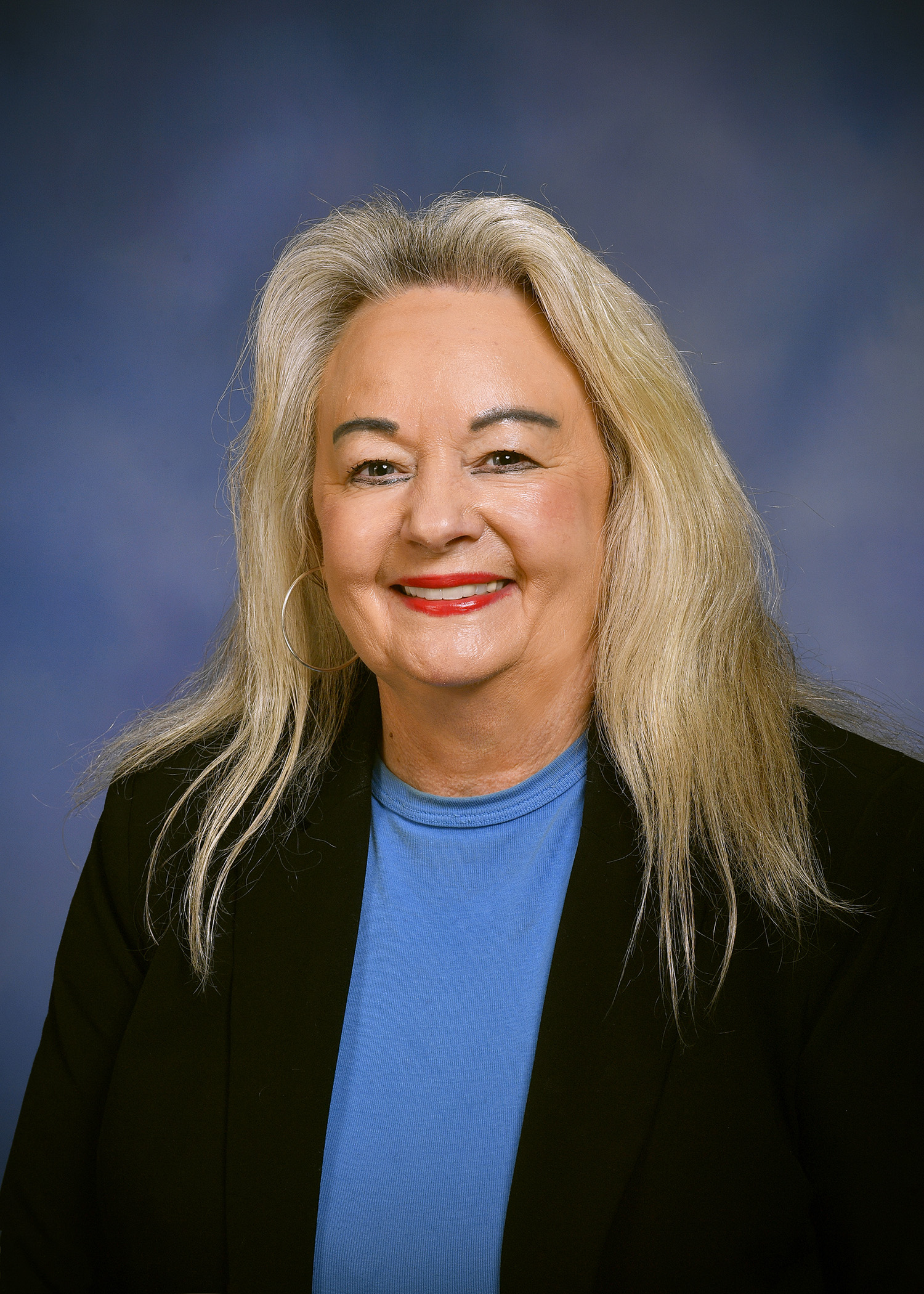
Rep. Kathy Schmaltz
Sponsored bills
Maddy summaryHB 4104 updates Michigan's occupational therapy licensing rules to join a multi-state licensure compact. This would allow occupational therapists licensed in Michigan to practice in other participating states without obtaining separate licenses. The bill modifies existing law to align with the compact's standards and adds new sections for implementation. It directly affects occupational therapists seeking to work across state lines within the compact.
Maddy summaryHB 4750 requires Michigan's foster care department to use or save existing benefits (such as Medicaid or education funds) for children in foster care when it serves their best interests, directly affecting all children in the state's foster care system. The bill amends Michigan's foster care law to mandate this approach, ensuring benefits are prioritized for the child's well-being rather than other uses. Key provisions include adding a new section (8f) to the existing law, directing the department to make decisions based on each child's specific needs. This policy change clarifies how resources must be managed without specifying new funding or programs.
Maddy summaryHB 5249 creates a new "adaptive care license" for ambulance operations currently licensed only for basic life support (BLS). It allows these operations to gradually upgrade to provide limited advanced life support (ALS) or advanced life support (ALS) services, provided they demonstrate staffing and equipment readiness for higher care levels by January 1, 2025. The license requires annual documentation of progress toward this upgrade, including training and equipment plans, and must be renewed annually alongside the operation's regular license. This applies specifically to ambulance services owned or contracted by local governments that previously provided only BLS for emergency response.
Maddy summaryHB 4309 establishes a licensure compact for physician's assistants, allowing them licensed in one participating state to practice in other participating states without needing separate licenses. This directly affects physician's assistants seeking to work across state lines and patients in states participating in the compact. The bill creates legal mechanisms by amending existing law to enable reciprocal licensing agreements between states, removing barriers for PAs to provide care in multiple jurisdictions. It provides the framework for states to join the compact through mutual recognition of licenses, streamlining practice for qualified professionals.
Maddy summaryThis bill updates Michigan's civil procedure laws to clarify how much of a person's wages can be taken by creditors through garnishment. It specifically protects certain types of income from being garnished, including public assistance benefits, unemployment compensation, disability payments, and both federal and state earned income tax credits. Additionally, the legislation sets new limits on how much of a weekly paycheck can be seized, capping the amount at 20% of earnings up to a specific threshold and 30% of earnings above that threshold. These changes directly affect individuals whose wages are subject to garnishment and the creditors seeking to collect debts from them.
Maddy summaryHB 4905 amends Michigan's licensing requirements for marriage and family therapists to explicitly allow virtual supervision via secure technology during training. It directly affects individuals seeking licensure who must complete supervised clinical hours, permitting them to meet the 300-hour practicum and 1,000-hour post-degree experience requirements through real-time video sessions instead of requiring in-person sessions only. The bill modifies specific sections of the Public Health Code (MCL 333.16909) to clarify that supervision via secure video technology qualifies, as long as it enables direct, contemporaneous interaction. This change aligns licensing standards with modern telehealth practices while maintaining the same hour requirements and supervision ratios. The bill does not alter the total hours needed or the qualifications of supervisors.
Maddy summaryHB 5046 modifies Michigan's foreclosure law to clarify the process for recording deeds after a property sale and streamline how homeowners can redeem their property. It requires that deeds from foreclosure sales be recorded with the county register of deeds within 20 days, and if not recorded on time, the redemption period begins when the deed is filed. The bill specifies the exact redemption amount homeowners must pay (including the bid price, interest, and fees) and mandates that purchasers provide an affidavit detailing this amount and the redemption deadline. This affects homeowners seeking to reclaim their property, buyers at foreclosure sales, and county offices responsible for property records.
Maddy summaryHB 5045 amends Michigan's Housing Development Authority Act to clarify procedures for redeeming foreclosed properties. It requires sellers to record deeds within 20 days of a sale, specifying redemption timelines and interest accrual starting from the recording date (not the sale date). Property owners or their heirs can redeem land within six months by paying the bid amount plus interest, with the register of deeds handling redemption documentation and fees. The bill directly affects property owners seeking redemption, purchasers of foreclosed properties, and county registers of deeds managing these transactions. These changes aim to streamline redemption processes and reduce confusion in housing foreclosure cases.
Maddy summaryHB 4703 requires health insurers in Michigan to cover group prenatal care services for policyholders. This directly affects health insurers offering coverage in the state and pregnant individuals seeking prenatal care. The bill defines "group prenatal care services" as evidence-based, group-based visits that include health assessments, social support, education, and peer interaction in a family-centered setting. Insurers must now provide this coverage for group prenatal care under their health insurance policies.