

Maddy summaryHB 4391 expands Michigan's vehicle code to allow law enforcement to test for intoxication using other bodily fluids beyond blood or breath, such as urine or saliva. It directly affects drivers suspected of operating a vehicle while impaired, updating sections 625a, 625c, and 625g of the 1949 Michigan Vehicle Code (MCL 257.625a et seq.). The bill amends existing testing methods to include these additional fluids, providing more flexibility for officers during DUI investigations. The bill passed the Michigan House on July 17, 2025, with immediate effect.
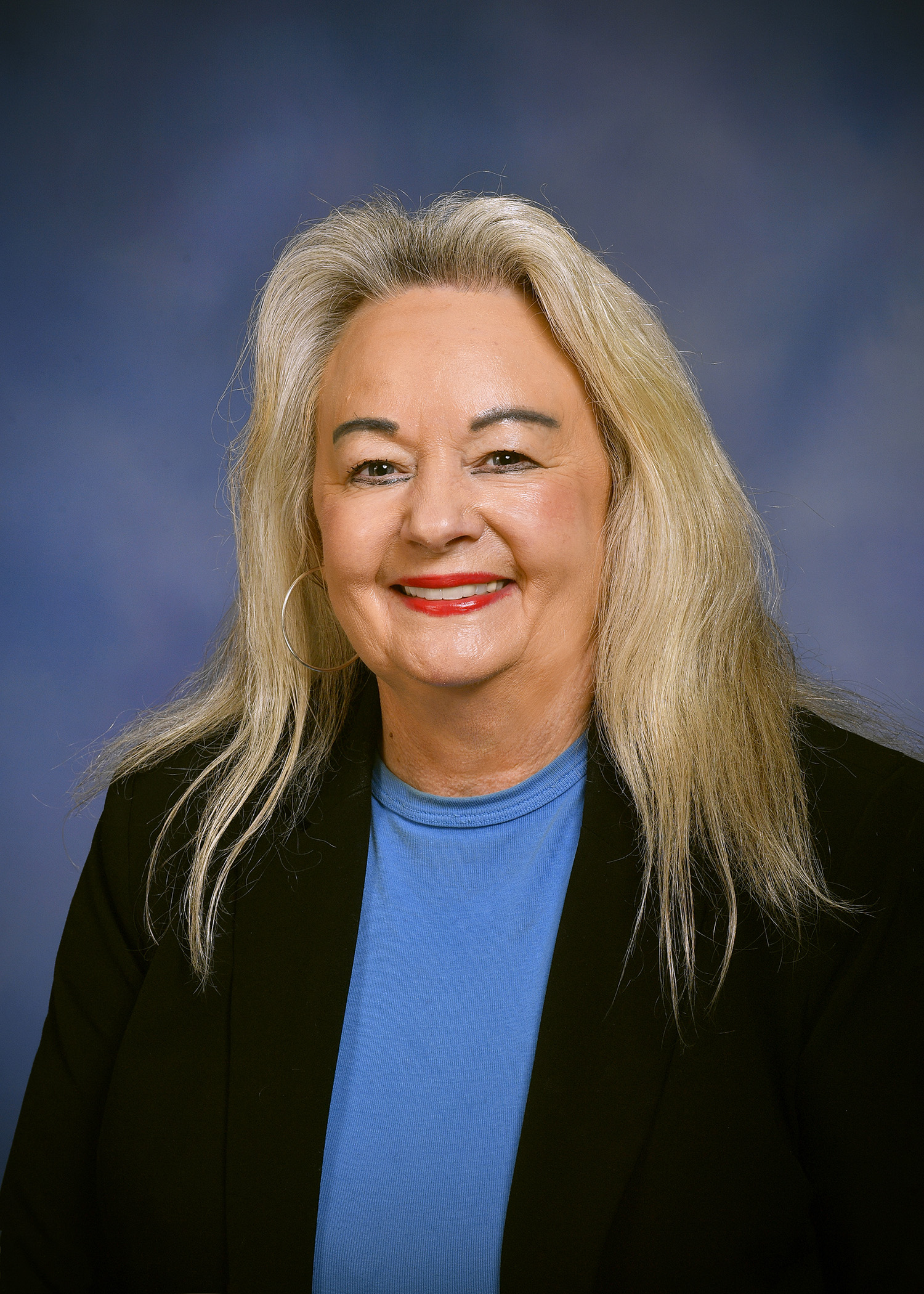
Rep. Kathy Schmaltz
Sponsored bills
Maddy summaryHB 4721 creates tax credits for biodiesel sales and production in Michigan, effective 2025-2030. Retail fuel dealers receive credits of $0.02-$0.07 per gallon for selling biodiesel blends (6-9%, 10-19%, or 20%+), while biodiesel producers get $0.02 per gallon. Total credits are capped at $16 million annually for retailers and $2 million for producers, with excess claims distributed proportionally. The bill directly affects Michigan fuel retailers and biodiesel producers by reducing their income tax liability based on specific blend volumes sold or produced.
Maddy summaryHB 4712 creates a new program through which the Michigan Department of Military and Veterans Affairs will reimburse eligible Michigan National Guard members for premiums paid toward Tricare Reserve Select or Tricare Dental coverage. The program allows the department to award grants to qualifying members who apply using a department-provided form, covering premiums for these specific health plans. It directly affects Guard members who are not on active duty and lack other employer or private health insurance. The bill establishes the framework for administering these reimbursements but does not specify funding amounts or application deadlines.
Maddy summaryHB 4722 creates tax credits to incentivize biodiesel use in Michigan. Retail fuel dealers selling biodiesel blends (6-9% at $0.02/gal, 10-19% at $0.05/gal, 20%+ at $0.07/gal) can claim credits, while biodiesel producers get $0.02 per gallon produced. Credits apply for tax years 2025-2030, with a $16 million total cap for retailers and a $2 million cap for producers. This directly affects Michigan fuel retailers and biodiesel manufacturers by reducing their income tax liability for qualifying sales and production.
Maddy summaryThis resolution requests the Michigan Governor to call a special election to fill the vacancy in the 35th Senate District, which has been unfilled since January 3, 2025. The vacancy occurred after Senator Kristen McDonald Rivet resigned to take a U.S. Congressional seat, as required by Michigan law (MCL 168.178). The resolution cites the state constitution and election law, which mandate the Governor issue writs to fill legislative vacancies. It directly affects hundreds of thousands of residents in the 35th District who currently lack representation in the state Senate.
Maddy summaryHB 4655 prohibits Michigan state departments or licensing boards from requiring implicit bias training as a condition for health professional licensure or license renewal. The bill directly affects licensed healthcare workers (like nurses, doctors, and therapists) who would otherwise need to complete such training to obtain or maintain their licenses. It achieves this by amending Michigan's Public Health Code to add Section 16149, which bans the enforcement of rules mandating this training, and by rescinding a related section of the Michigan Administrative Code (MCL 338.7004). The bill removes a potential requirement for healthcare professionals seeking initial licensure or renewal.
Maddy summaryHB 4656 prohibits highway officials from completely shutting down all lanes of a road during construction if it would cut off a community’s only access point or if the only alternative route is frequently blocked by railroad crossings. The bill amends Michigan law to require that such closures only occur when absolutely necessary for construction, and even then, must be temporary with work completed expediently to reopen at least partial access as soon as possible. It directly affects communities relying on single road access and highway officials managing construction projects. The key provision prevents full closures that isolate communities, while allowing temporary full shutdowns only when no feasible alternative exists for maintaining traffic flow.
Maddy summaryHR 131 is a ceremonial resolution introduced by Rep. Bruck and adopted on June 12, 2025, to honor the 250th anniversary of the U.S. Army's founding on June 14, 2025 (marking the 1775 establishment of the Continental Army). It recognizes the Army's historical role in the Revolutionary War, its mission, and its current status as a key military force. The resolution has no legal effect or policy changes - it is purely symbolic, expressing congressional admiration without impacting any laws, funding, or specific groups.
Maddy summaryHB 4559, the "Promotion of Governmental Services Act," requires Michigan state agencies and local governments (like counties or cities) to stop using the word "free" when advertising services funded by taxes, fines, or fees. Instead, they must use the phrase "taxpayer funded" in all promotional materials. The bill directly affects how government entities market services such as public libraries, parks, or community programs that cost residents nothing out-of-pocket. This change aims to clarify that these services are supported by public money, not truly cost-free. The bill is currently in committee after being introduced on June 5, 2025.
Maddy summaryHB 4552 prevents Michigan health authorities from creating stricter rules that would exclude unvaccinated students from school outside of epidemics. It specifically blocks the Department of Health and Human Services from promulgating rules allowing school exclusion based on lack of vaccination documentation, except during disease outbreaks. The bill preserves existing exemption processes for medical or religious reasons, prohibiting new requirements or forms for these exemptions. This directly affects schools, health departments, and families seeking vaccine exemptions under current law.