

Maddy summaryHB 5097 creates a state-funded grant program to improve violent crime clearance rates in Michigan. It establishes the "violent crime clearance rate grant fund" in the state treasury, providing financial support to municipal police departments and county sheriff's offices for hiring personnel, upgrading technology for evidence processing, and implementing crime analysis training. Law enforcement agencies receiving grants must submit annual reports detailing how funds were used, clearance rates by offense category, and staffing changes. The program requires the Department of State Police to monitor grant outcomes and report biennially to the legislature on program effectiveness.
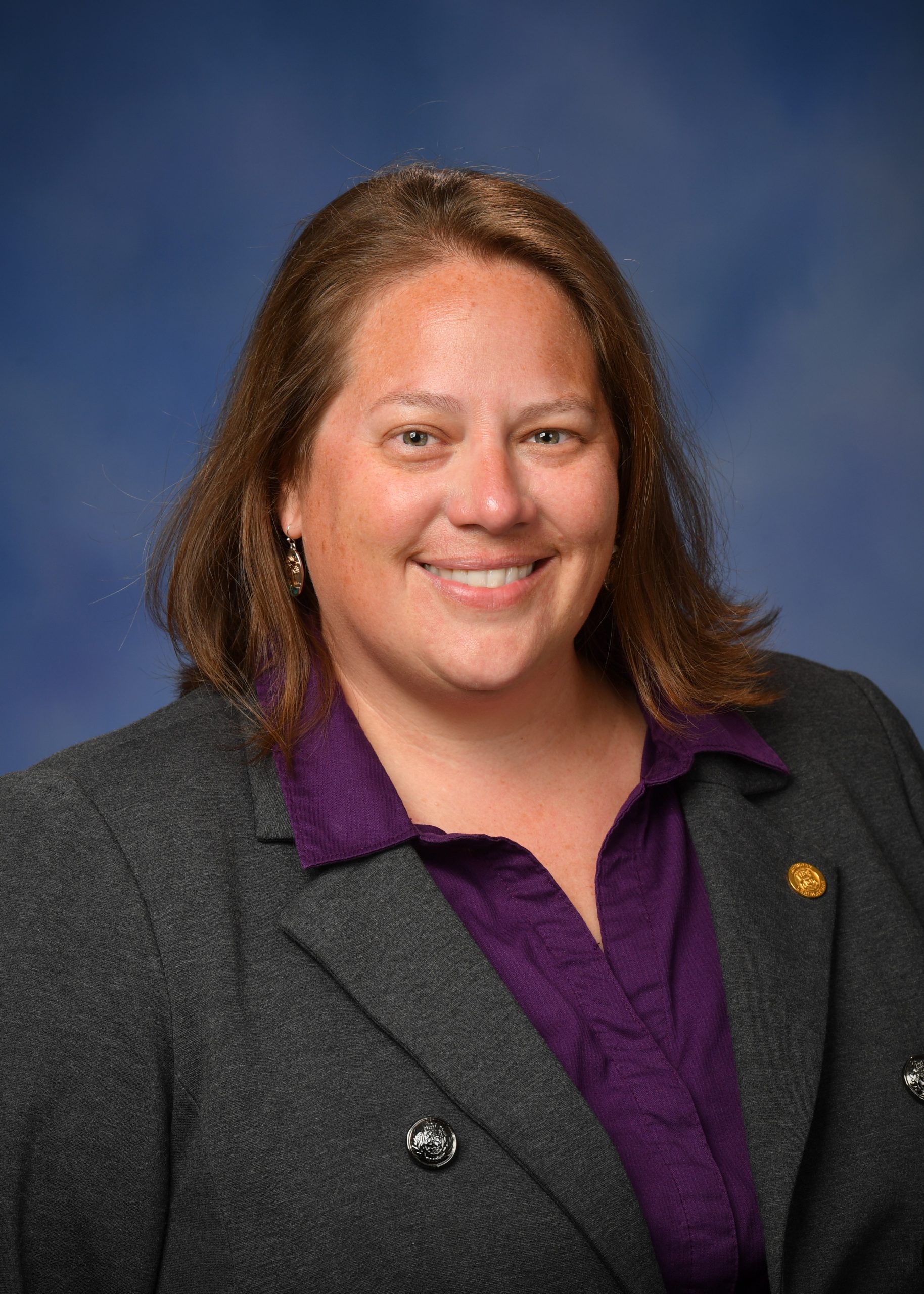
Rep. Sarah Lightner
Sponsored bills
Maddy summaryThis bill (HB 4182) amends Michigan's use tax law to add a new exemption for motor fuel sales. It specifically creates a new section (4gg) in the law to exempt certain motor fuel transactions from use tax. The bill directly affects businesses selling motor fuel, potentially reducing their tax burden on qualifying sales. However, the provided context does not specify the exact scope of the exemption or who qualifies for it, so the summary cannot detail the precise mechanisms or affected parties beyond the general tax exemption for motor fuel.
Maddy summaryHB 4180 removes the sales tax requirement for motor fuel sales in Michigan by amending the state tax code. It directly affects gas stations and fuel retailers by exempting motor fuel transactions from the standard sales tax. The bill creates a new tax exemption provision (Section 4gg) in the tax code, specifically excluding motor fuel sales from taxable transactions. This change became effective immediately upon the Governor's approval on October 7, 2025.
Maddy summaryHB 4181 removes a sales tax exemption for certain motor fuel purchases by amending Michigan's 2004 tax code (MCL 205.173 & 205.175). The bill directly affects businesses and consumers purchasing motor fuel by eliminating an existing tax exemption, meaning these purchases will now be subject to sales tax. It streamlines the tax code by clarifying that motor fuel is no longer exempt from sales tax under the specified sections. The bill was enacted on October 7, 2025, and is now law as Public Act 18 of 2025.
Maddy summaryThis resolution (HR 181) declares October 2025 as Polish American Heritage Month in Michigan. It recognizes the significant contributions of Michigan's large Polish American community - nearly 8% of the state's population (784,200 people) - to the state's history, culture, and society, encouraging all citizens to honor their heritage during that month. As a symbolic gesture, it does not create new laws or affect specific groups through policy mechanisms.
Maddy summaryThis resolution ceremonially recognizes physical therapy professionals in Michigan by designating October 2025 as Physical Therapy Month. It encourages all Michigan residents to learn about physical therapy benefits, express gratitude to practitioners, and explore how the field supports community health. The bill has no binding policy changes or funding provisions - its purpose is purely symbolic recognition of the profession's role in healthcare. It directly affects Michigan residents and physical therapy practitioners by highlighting their contributions during a designated month.
Maddy summaryThis is a ceremonial resolution, not a law with policy changes. It declares October 2025 as "Pastor Appreciation Month" in Michigan to recognize pastors' contributions to their congregations and communities. The resolution expresses support for pastors' work through "wise counsel" and spiritual leadership, based on religious references in the text. It has no legal effect or direct impact on any specific group beyond symbolic recognition.
Maddy summaryHB 4718 requires Michigan insurance companies to file reports with the state about suspected insurance fraud. This directly affects all licensed insurance companies operating in Michigan, mandating them to submit specific fraud reports to the state regulator. The key provision adds Section 4506 to the insurance code, creating a new reporting obligation for insurers. The bill does not change fraud penalties or definitions but establishes a formal process for reporting suspected fraud cases. This is a procedural policy change focused on improving fraud tracking, not on altering consumer protections or insurance rates.
Maddy summaryHB 4716 increases criminal penalties for insurance fraud in Michigan based on the amount of fraudulent claims or number of claims involved. It raises maximum prison terms from 4 years to 20 years and fines up to $50,000, with higher penalties for larger frauds (e.g., $100,000+ claims or 100+ claims) or repeat offenses. The law requires courts to order restitution to victims and allows aggregating claims made within any 12-month period to determine penalty levels. This directly affects individuals committing fraud, as well as insurers or practitioners found responsible for fraudulent acts under Michigan law.
Maddy summaryThis bill amends Michigan's Health Care False Claim Act to expand the definition of "health care insurer" to include automobile insurers providing personal injury protection (PIP) coverage. PIP coverage pays for medical expenses after car accidents, and this change brings auto insurers into the same legal framework as health insurers for false claim enforcement. Previously, the law applied only to health insurers and self-insured entities, but now false claims related to PIP benefits will be subject to the same standards. This directly affects auto insurance companies operating in Michigan that offer PIP coverage.