

Maddy summaryThis bill creates a new corporate income tax credit for Michigan employers who train apprentices and employ students in career and technical education programs. Starting in 2026, eligible businesses can receive tax credits covering up to 50% of certain training expenses or $2,000 per apprentice or student, with small businesses under 50 employees receiving an additional 10% bonus credit. The credit applies to qualified expenses such as wages, benefits, and classroom instruction costs, and any unused portion can be refunded to the taxpayer. Additionally, the bill requires the state Department of Labor to annually report on program participation, employment outcomes, and the fiscal impact of the credits to legislative committees.
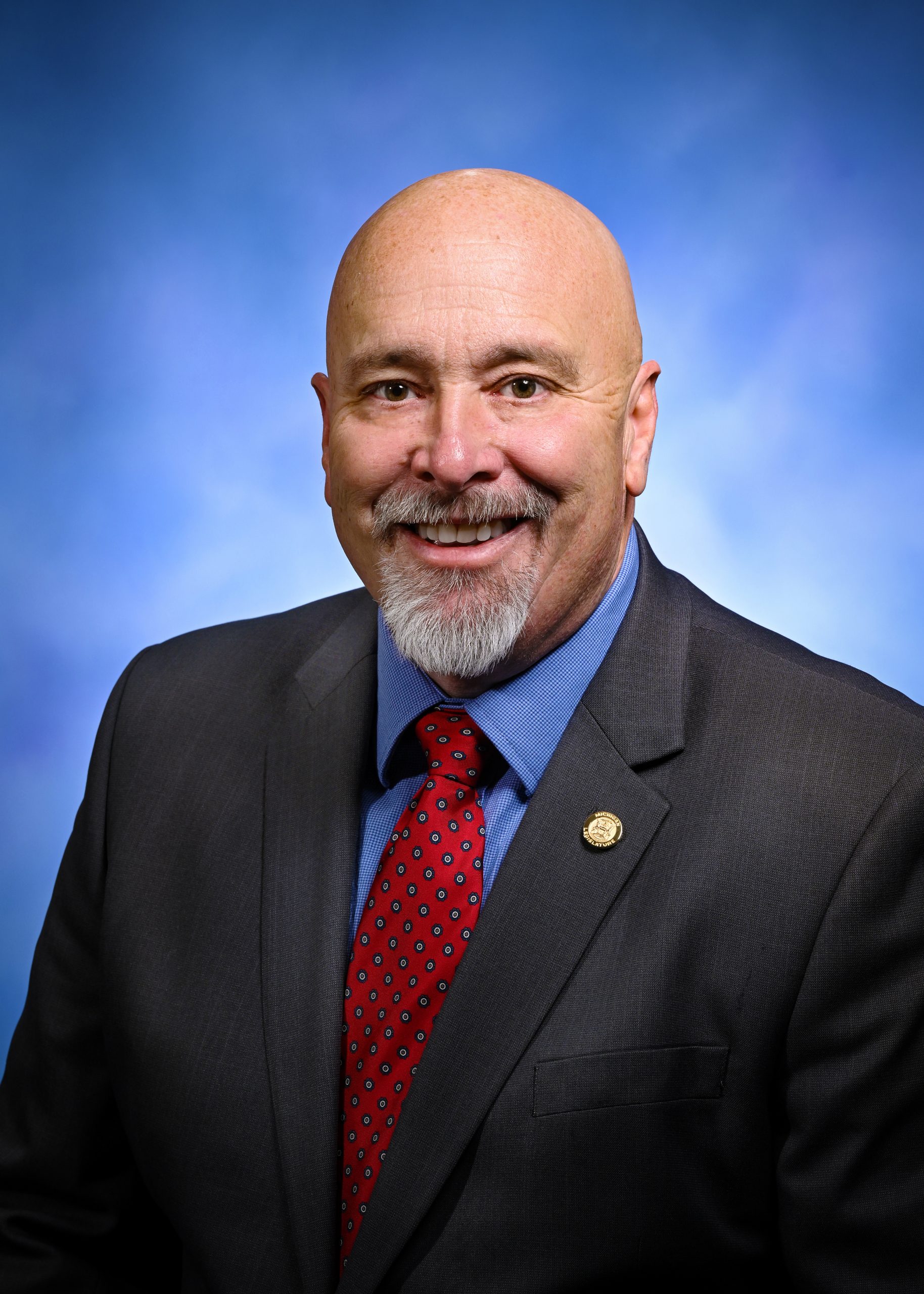
Rep. Steve Frisbie
Sponsored bills
Maddy summaryHB 5318 modifies Michigan's sales tax exemptions for fundraising by specific organizations. It raises the annual sales cap for tax-exempt fundraising events from $25,000 to $75,000 per event (adjusted for inflation) for schools, churches, hospitals, parent cooperatives, and nonprofits with 501(c)(3)/(4) status. It also increases the cap for veterans' groups (501(c)(19) organizations) from $25,000 to $75,000 per event, with both limits adjusted yearly using the Consumer Price Index. The bill affects qualifying nonprofits, schools, and veterans' organizations conducting fundraising sales under these exemptions.
Maddy summaryHB 5572 modifies Michigan's property tax exemption rules to expand eligibility for certain nonprofits. It adds a new exemption for conservation organizations maintaining nature areas open to the public for activities like hiking and bird watching. The bill also clarifies that nonprofits providing healthcare services (such as nursing homes, skilled nursing facilities, or adult foster care) qualify for tax exemptions if they meet specific licensing requirements. This change directly affects nonprofit hospitals, educational institutions, conservation groups, and healthcare providers seeking property tax relief.
Maddy summaryHB 5573 expands property tax exemptions for specific nonprofit organizations in Michigan. It adds new exemptions for conservation land held by qualified nonprofit groups (like nature preserves open for public recreation) and clarifies exemptions for nonprofit hospitals, skilled nursing facilities, and educational institutions. The bill specifies detailed requirements for organizations to qualify, such as perpetual land preservation for conservation groups and licensing for healthcare facilities. These changes directly affect qualifying nonprofits, conservation organizations, and healthcare providers by allowing them to exclude certain properties from local property taxes. The bill refines existing tax exemption rules without creating new tax rates or funding mechanisms.
Maddy summaryHB 4934 amends Michigan's Public Health Code to clarify that relicensing a temporary psychology license (after it lapses) counts as one renewal under existing rules. This specifically affects psychologists who held temporary licenses under Sections 18223(2) or (4) but let their licenses expire. The bill allows these individuals to have their relicensed status treated as a valid renewal, avoiding the need to restart the full temporary license period. It does not change education, experience, or examination requirements for new applicants or standard license renewals.
Maddy summaryThis bill amends definitions within Michigan's Tax Increment Financing Act but does not describe substantive policy changes in the provided text. It revises terms like "alternative energy technology," "certified alternative energy park," and "captured assessed value" used in economic development financing. The context includes definitions but does not specify new mechanisms, affected entities, or concrete policy modifications. Without details on how these definitions will change implementation or outcomes, a policy-focused summary cannot be provided. The bill is currently in committee referral with no further action documented.
Maddy summaryHB 5210 allows commercial fishing license holders to list multiple vessels on a single license instead of requiring separate licenses for each boat. Licensees can add or remove vessels anytime by providing written notice to the department. The bill also clarifies rules for transferring licenses when boats are sold, damaged, or lost, including fee adjustments for larger vessels or non-resident transfers. All vessels listed under one license must operate within 50 miles of the originally designated port.
Maddy summaryHB 5535 would allow plumbing inspectors to provide plumbing services without violating state law. Currently, plumbing inspectors (registered under Article 10) are prohibited from engaging in the plumbing business, such as installing pipes or selling materials, due to potential conflicts with their inspection duties. The bill amends Section 1123 of Michigan's Skilled Trades Regulation Act to remove this prohibition, permitting inspectors to work for or own plumbing businesses. This change directly affects local plumbing inspectors who wish to operate in both roles simultaneously.
Maddy summaryHB 5556 allows industrial construction permit applicants in Michigan to purchase wetland credits from approved mitigation banks instead of always restoring or creating wetlands on-site to offset project impacts. The bill introduces temporary credits for short-term delays during on-site mitigation and establishes a stewardship fund for alternatives like conservation easements or payments. It updates rules to encourage wetland bank development by expanding service areas within watersheds, reducing required mitigation ratios when using bank credits, and allowing credit transfers between projects. This directly affects developers and construction companies requiring permits for projects impacting wetlands.
Maddy summaryHB 5313 modifies Michigan's licensing rules for health professionals by removing certain disciplinary records from public view and adjusting continuing education requirements. It directly affects licensed healthcare workers (like nurses, doctors, and therapists) by changing how past disciplinary actions are handled and what training they must complete. Key provisions include adding new sections (16211a and 16231b) to limit public access to some disciplinary records, updating continuing education standards, and modifying sanctions for violations. The bill focuses on administrative changes to licensing processes without altering core professional standards or creating new funding.