

Maddy summaryHB 5325 allows police officers and private security personnel at critical infrastructure sites (like power plants or bridges) to disable or destroy drones flying in violation of existing laws protecting those sites. It directly affects drone operators who fly near protected infrastructure without authorization. The key provision grants immunity from liability for property damage to the drone when officers act under this law, but only if federal law does not preempt it. This bill creates a specific legal mechanism for responding to unauthorized drone activity at critical infrastructure locations.
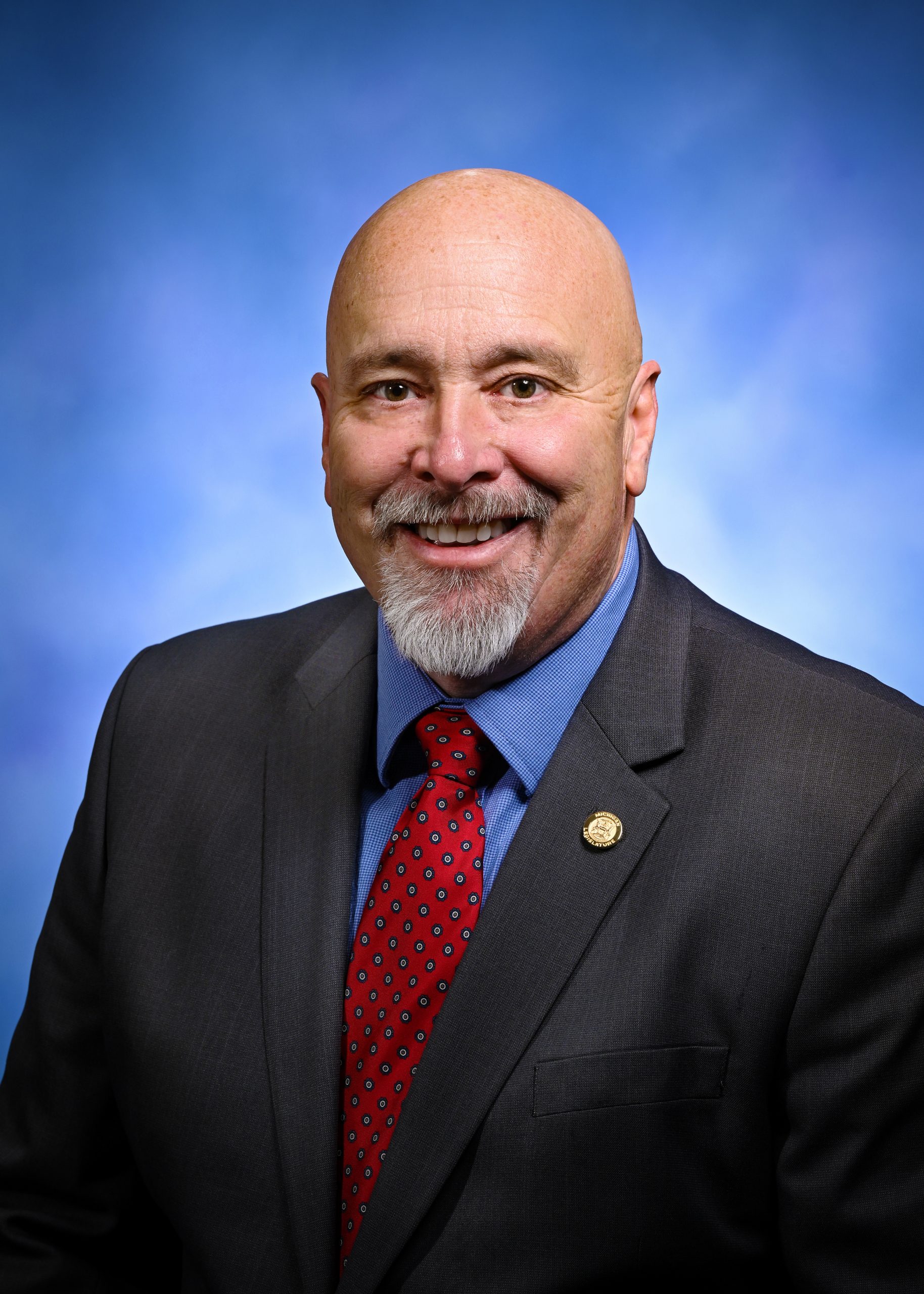
Rep. Steve Frisbie
Sponsored bills
Maddy summaryHB 5323 authorizes Michigan state agencies to install technology that detects or blocks unauthorized drones near state-owned buildings and critical infrastructure like power plants or water facilities. The bill allows for two key mechanisms: (1) devices to detect drones flying overhead, and (2) systems to prevent drones from entering restricted airspace. It also requires coordination with the state transportation department to include these locations in a statewide geofencing database. The law explicitly states it does not override federal drone regulations.
Maddy summaryHB 5332 requires Michigan public agencies (like police departments and fire departments) to register all drones they operate, including details about operators, aircraft identification, and intended use. It mandates an annual report to the legislature on drone usage and prohibits public agencies from purchasing or using drones from specific foreign countries or entities listed by federal authorities (such as the U.S. Defense Department's restricted list). Agencies may only buy such drones if they guarantee all collected data stays stored exclusively within the U.S. and complies with federal laws. The bill does not apply to small drones used in compliance with existing safety rules.
Maddy summaryHB 5326 would allow Michigan police officers to intercept, disable, or destroy drones flying in violation of federal aviation rules or posing public safety risks. It directly affects drone operators whose flights breach FAA guidelines and provides officers immunity from liability for damage to the drones. The bill’s key provision requires that federal law first be amended to permit such actions before the state law takes effect. This bill is currently in committee review and does not change existing federal drone regulations.
Maddy summaryHB 5901 modifies Michigan's eminent domain laws to require government agencies to make a formal, good-faith written offer for property before starting condemnation proceedings. The bill also clarifies rules for filing court complaints, defines what constitutes a suitable replacement home for displaced residents, and outlines how agencies can request financial records from property owners to determine fair compensation. Additionally, the legislation shifts the burden of proof regarding bad faith offers to the agency and establishes specific penalties if an owner unreasonably withholds necessary financial documents.
Maddy summaryThis bill modifies Michigan's condemnation laws to clarify how courts review whether the government or a private entity needs to take private property. It establishes that public agencies' claims of needing land are generally binding on courts unless fraud, legal error, or abuse of discretion is proven, while private entities must prove public necessity to the court. The legislation also adjusts the burden of proof, requiring agencies to show by a preponderance of evidence that a taking is for public use, or by clear and convincing evidence if the project involves eradicating blight. Additionally, the bill sets a 60-day deadline for courts to decide these necessity challenges and limits the ability to appeal such decisions to the Court of Appeals without special permission.
Maddy summaryThis bill amends Michigan's property tax laws to clarify how disabled veterans and their surviving spouses qualify for tax exemptions on their homes. It establishes specific criteria for eligibility based on U.S. Department of Veterans Affairs ratings and outlines a streamlined process where exemptions granted after January 1, 2025, remain in effect without needing annual reapplication. The legislation also introduces an audit program to verify eligibility every three years and defines clear rules for prorating tax exemptions when property ownership changes during the year.
Maddy summaryThis bill requires the Michigan National Guard to pay all servicemembers their compensation through direct deposit or electronic transfer starting with their first eligible pay period. The legislation amends existing state wage payment laws to mandate this specific payment method for National Guard members, who must provide the necessary banking information to enable the transfers. While the bill maintains existing protections for other employees regarding payroll debit cards and direct deposit consent, it creates a special provision that applies exclusively to the National Guard without requiring individual opt-in consent from each servicemember. This change ensures consistent electronic payment processing for military compensation while preserving the broader legal framework governing wage payments for other Michigan employees.
Maddy summaryHB 5302 creates a $5 million annual competitive grant program for recovery community organizations in Michigan to expand services for people seeking long-term recovery from substance use disorders. The bill requires the state to fund at least 19 certified local recovery groups and qualifying nonprofit associations, with each grant capped at $250,000 (or 50% of an organization’s operating budget). Priority goes to groups offering specific services like recovery navigation, workplace education, and wellness activities (e.g., support groups, nutrition programs). Grantees must report annually on fund usage, participant metrics, and budget details starting in 2027, with the program set to expire on October 1, 2031.
Maddy summaryHB 4303 designates May of each year as "Chaldean American Month" in Michigan to recognize the contributions of Chaldean, Assyrian, and Syriac Americans to the state and nation. The bill is purely symbolic, creating no new policies, funding, or obligations. It directly affects the Chaldean American community by formally honoring their cultural and historical contributions through this annual designation. The bill has advanced through committee stages but remains pending final legislative approval.