

Maddy summaryHB 4304 prohibits intentionally injecting, releasing, or dispersing chemicals or devices into the atmosphere to alter weather patterns or sunlight intensity. This directly affects individuals or entities conducting weather modification activities, such as cloud seeding or experimental atmospheric interventions. The bill adds this specific prohibition to Michigan's environmental protection law, making such actions illegal under state statute without requiring additional regulatory steps. It focuses on preventing intentional atmospheric interference for weather-related purposes.
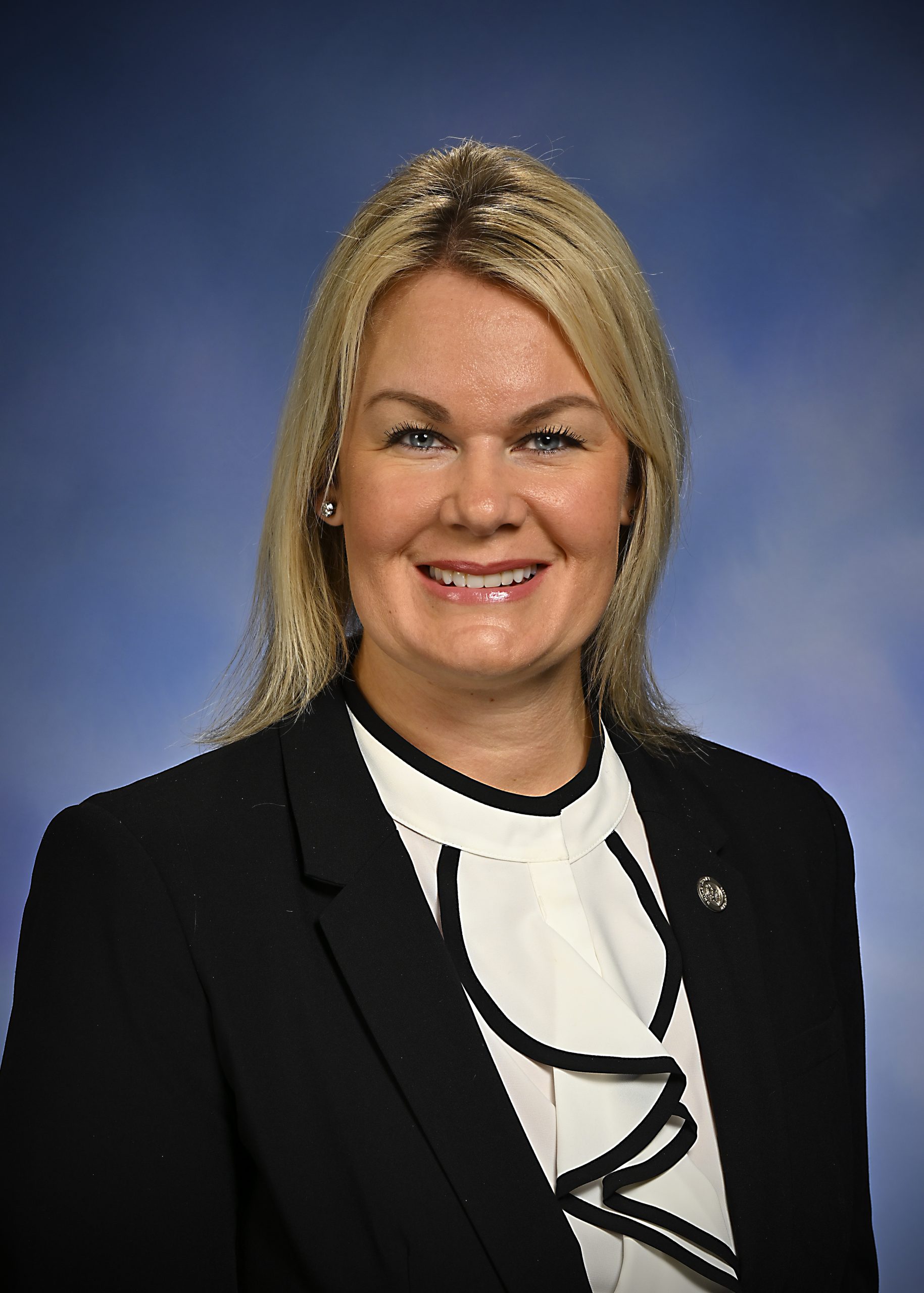
Rep. Rachelle Smit
Sponsored bills
Maddy summaryHB 4286 requires Michigan public schools to update health education curriculum standards by the 2026-2027 school year. It mandates specific content about human development, including an overview of pregnancy biology, fetal development inside the uterus, a 3-minute high-definition ultrasound video of early fetal organ development, and a computer-generated animation showing fertilization through birth. The bill directly affects Michigan public schools and the state Department of Education, which must revise curriculum standards to include these requirements. This is a concrete policy change to the health education curriculum, not a procedural or commemorative measure.
Maddy summaryHJR G is a proposed constitutional amendment (not a law) that seeks to remove three education governance bodies from Michigan's state constitution. It would eliminate the state board of education, the superintendent of public instruction, and the state board for public community/junior colleges by amending Article VIII, Sections 3 and 7. If approved by voters, these positions and boards would be abolished, shifting oversight of public education away from state-level governance. This is a procedural constitutional change requiring voter approval at the next general election.
Maddy summaryHB 4237 prohibits Michigan local governments (like cities, counties, and school districts) from awarding or renewing contracts that give contractors access to personal data if the contractor is a "controlled entity" tied to specific foreign countries of concern (China, Russia, Iran, North Korea, Cuba, Venezuela, or Syria). It requires contractors to submit sworn affidavits confirming they are not controlled entities, with violations subject to fines up to twice the contract value or a 5-year contract ban. The bill also restricts local governments from using information technology or services designed, developed, or supplied by companies owned by those foreign countries, aligning with federal security lists. These rules take effect July 1, 2026, for contract renewals and extensions.
Maddy summaryHB 4236 amends Michigan's state contracting rules to limit foreign influence in projects involving personal data. It directly affects state contractors working on facilities (like buildings or infrastructure) where personal identifying information is handled. The bill requires contractors to provide a sworn affidavit confirming they are not "controlled entities" tied to specific foreign governments (including China, Russia, Iran, and others). Starting July 1, 2025, the state cannot renew or extend such contracts without this verification.
Maddy summaryThis resolution directs the House Clerk to only present to the Governor bills that were finally passed by both chambers during the current 103rd Legislature session. It clarifies that bills from the previous 102nd Legislature session (which ended January 1, 2025) should not be presented by the new Clerk, as they do not carry over to the new session under Michigan's constitutional rules. The resolution ensures the Clerk follows the House's adopted rules for the current session.
Maddy summaryHR 40 is a non-binding resolution urging the Michigan High School Athletic Association (MHSAA) to update its eligibility rules for female athletes to comply with Executive Order 14201. The resolution states that MHSAA’s current rules, which allow biological males to compete in women’s sports, conflict with the federal executive order prioritizing female-only competition. It argues this noncompliance risks jeopardizing federal funding for Michigan school districts and compromises the safety and fairness of women’s athletic competitions. The resolution was adopted by the Michigan House with 66 yeas, 43 nays, and 1 excused vote on March 12, 2025.
Maddy summaryHB 4032 permanently extends Michigan's participation in the Interstate Medical Licensure Compact by removing a scheduled expiration date (sunset) from the law. This change directly affects physicians in Michigan who use the compact to practice medicine across state lines, as it eliminates the need for periodic legislative renewal. The bill's key provision amends Michigan's Public Health Code to make the compact's terms permanent, ensuring uninterrupted eligibility for physicians seeking multi-state licensure. The compact allows doctors to obtain licenses in multiple participating states more efficiently, reducing administrative barriers for cross-state medical practice.
Maddy summaryHB 4190 prohibits physicians in Michigan from performing gender reassignment surgery on minors or prescribing cross-sex hormones or puberty-blocking drugs with the intent of assisting gender transition. The bill directly affects minors under 18 seeking gender-affirming medical care, including hormone therapy or puberty suppression. Exceptions apply only to minors already receiving such treatment before the law's effective date, if the physician documented that stopping treatment would cause harm. The law defines key terms like "gender reassignment surgery" (including genital and non-genital procedures) and "puberty-blocking drugs" to clarify the scope of the prohibition.
Maddy summaryHR 37 is a symbolic resolution passed by the Michigan House of Representatives to officially recognize March 2025 as Women’s History Month within the state. It does not create new laws or policies but formally declares the month to honor women’s historical contributions to Michigan and the nation. The resolution encourages community participation in events celebrating women’s achievements in fields like science, politics, and education. It directly affects Michigan residents by promoting statewide awareness and reflection on women’s roles in society, without imposing any legal requirements or funding changes.