

Maddy summaryHB 5345 requires child care centers in Michigan serving more than 12 children to track and report immunization rates for enrolled children and staff starting June 1, 2028. It mandates that centers provide parents with anonymous, aggregated data on vaccination status (fully vaccinated, partially vaccinated, or exempt due to medical, religious, or philosophical reasons) and post this information publicly on their website or in a visible location at the facility. The bill applies only to licensed child care centers, not group or family child care homes, and requires centers to convert all data to anonymous, aggregated form before sharing. This is a transparency measure focused on providing parents with clear, factual information about immunization rates within the child care setting.
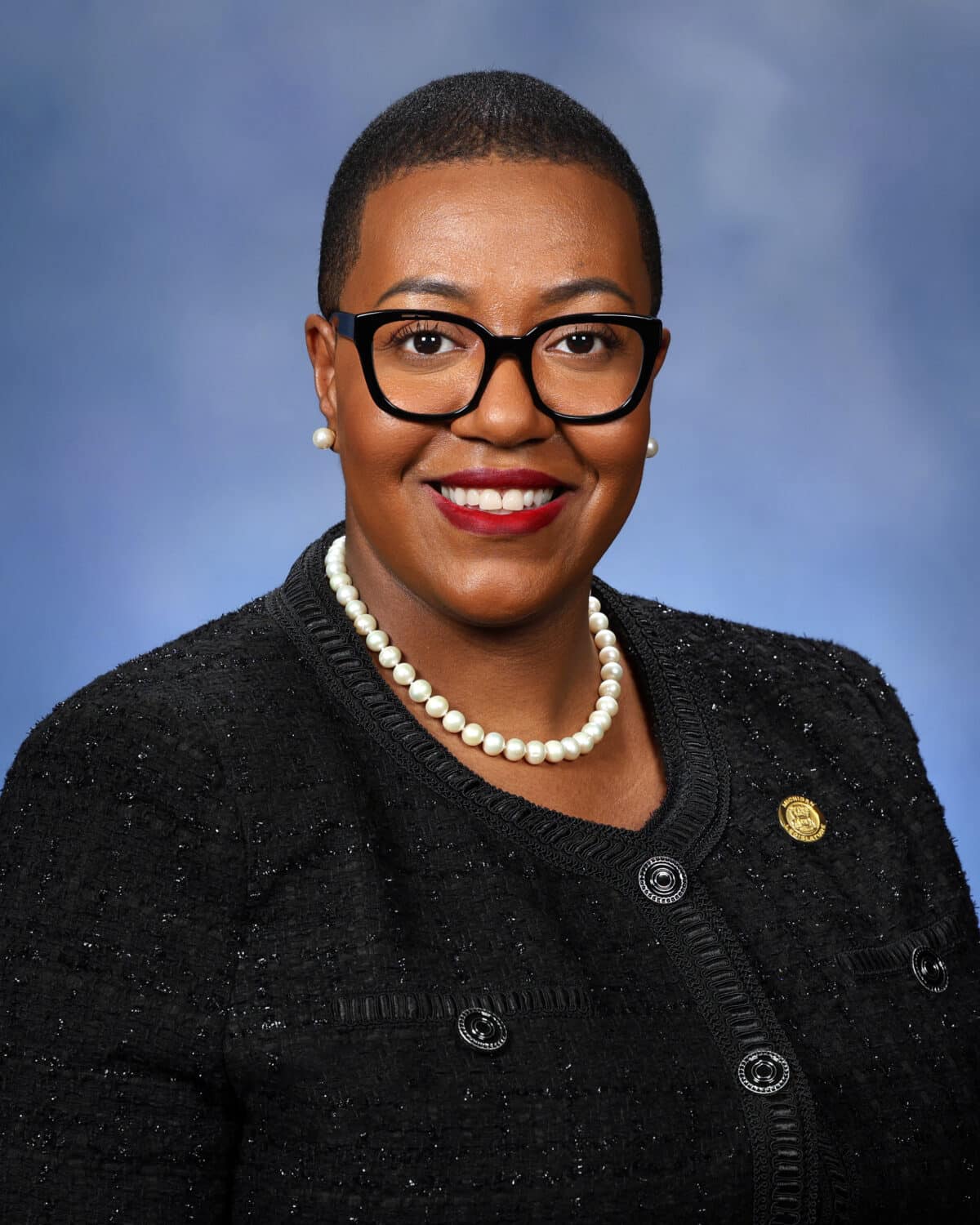
Rep. Morgan Foreman
Sponsored bills
Maddy summaryHB 5351 amends Michigan's Public Health Code to update how the state health department creates rules for childhood immunizations. It requires the department to consider recommendations from major health organizations like the CDC, American Academy of Pediatrics, and others when setting immunization rules, including minimum ages, doses, and school requirements. If recommendations from these groups conflict, the department must consult Michigan's advisory committee on immunizations. The bill also mandates that immunization requirements stay at least as strict as those in effect on January 1, 2025, if federal guidelines change. This bill directly affects the health department's rulemaking process and impacts schools, healthcare providers, and families managing childhood vaccination schedules.
Maddy summaryHB 5346 amends Michigan's Public Health Code to update access to the Michigan Care Improvement Registry (formerly the Childhood Immunization Registry). It requires the state department to allow users to query and extract immunization records by school building, directly affecting school health staff and administrators. The bill also adds a provision enabling individuals aged 20 or older to request that their personal immunization records be made inaccessible in the registry upon submitting a written request. These changes focus on improving data accessibility for school-based health management while enhancing privacy options for adult patients.
Maddy summaryHB 5354 amends Michigan's Public Health Code to allow pharmacists and community-based organizations to dispense or administer opioid antagonists (like naloxone) under standing orders issued by the chief medical executive during public health emergencies or when prescription requirements conflict with public health needs. It specifies conditions for issuing these orders - such as protecting public health during emergencies or ensuring access without individual prescriptions - and requires detailed documentation in each standing order. The bill also provides liability protection for pharmacists, community organizations, and health department staff acting under these orders, unless the action involves willful misconduct or gross negligence. Standing orders expire after 1 year (for non-emergency uses) or 6 months (for emergencies), with extensions requiring public justification on the state health department website.
Maddy summaryHB 5304 requires applicants for dredging permits under Michigan's environmental law to either use dredged material for beach nourishment (if suitable) or pay a $25 per cubic yard fee. The fee funds a new Beach Nourishment Fund administered by the Department of Environment, Great Lakes, and Energy. This applies to projects under Parts 301, 303, and 325 of Michigan's Natural Resources and Environmental Protection Act. The bill amends sections 30106b, 30311b, and 32515a and adds sections 1306 (fee requirements) and 33709 (fund creation).
Maddy summaryHB 5285 prohibits minors under 18 from using or possessing BB guns (defined as pneumatic guns firing BBs/pellets via spring, gas, or air) outside their home property without an adult over 18 present. It directly affects unaccompanied minors who might use such devices in public or non-residential areas. The bill creates penalties for violations, including up to 90 days in jail or a $500 fine, and clarifies that "pneumatic gun" includes common BB/pellet guns. The legislation is pending review by the Government Operations Committee after its introduction on November 13, 2025.
Maddy summaryHB 5253 repeals Michigan's 1931 blasphemy law (MCL 750.102) from the penal code. This procedural bill removes an outdated statute that criminalized blasphemy, which has not been enforced for decades. The repeal directly affects no current legal proceedings or individuals, as the law was obsolete. It makes no new policy changes but updates the state's legal code by eliminating a historical provision.
Maddy summaryHB 5250, titled the "Weight Loss Products and Minors Act," prohibits retailers from selling dietary supplements marketed for weight loss or muscle building and over-the-counter diet pills to anyone under 18. It requires physical store sales to verify age using valid ID (like a driver's license), and online sales to confirm age through approved databases before shipping, with delivery requiring ID proof at time of receipt. The bill directly affects retailers selling these products and minors under 18, creating new requirements for age verification in both physical and virtual transactions. It does not change product safety standards but adds civil penalties for violations, including fines up to $1,000 per violation. The bill is pending in Michigan's Health Policy Committee as of its introduction on November 12, 2025.
Maddy summaryThis resolution urges the federal government not to extend two Department of Energy emergency orders (202-25-3 and 202-25-7) that are preventing the planned closure of Michigan's J.H. Campbell Power Plant. The orders, issued to address an alleged energy emergency, conflict with MISO's approval for the plant's suspension by 2028 and have already cost Consumers Energy ratepayers $29 million in 38 days. The resolution highlights that continuing operations imposes financial burdens, worsens air/water pollution (releasing millions of pounds of pollutants annually), and causes estimated $389-879 million in annual health impacts. It directly affects Michigan ratepayers, public health, and environmental quality in the plant's local area.
Maddy summaryHB 5226 requires health insurance policies sold or renewed in Michigan to cover treatment for pediatric autoimmune neuropsychiatric disorders linked to strep infections (PANS) and pediatric acute-onset neuropsychiatric syndrome (PANS), including intravenous immunoglobulin therapy. This applies to all health insurance policies delivered, issued, or renewed in Michigan or covering Michigan residents, starting 90 days after the law takes effect. The bill directly affects children diagnosed with these specific conditions by mandating insurance coverage for their treatment. It amends Michigan's insurance code to ensure these therapies are included in standard coverage without additional patient cost.