

Maddy summaryHB 4598 expands Michigan's Organized Retail Crime Act to specifically address new tactics used in theft. It adds provisions criminalizing the acquisition, alteration, or use of stolen gift cards (subsections i(i)-(iii)), fraudulent wireless device purchases (subsections h), and manipulating fire exit alarms (subsections g) as organized retail crime. The bill makes these acts felonies punishable by up to 5 years in prison, $5,000 fines, or both, and requires offenders to pay restitution to retailers and forfeit stolen merchandise. This directly affects retailers (through enhanced protections) and individuals committing these expanded theft methods, while clarifying that property representation as stolen is sufficient for prosecution.
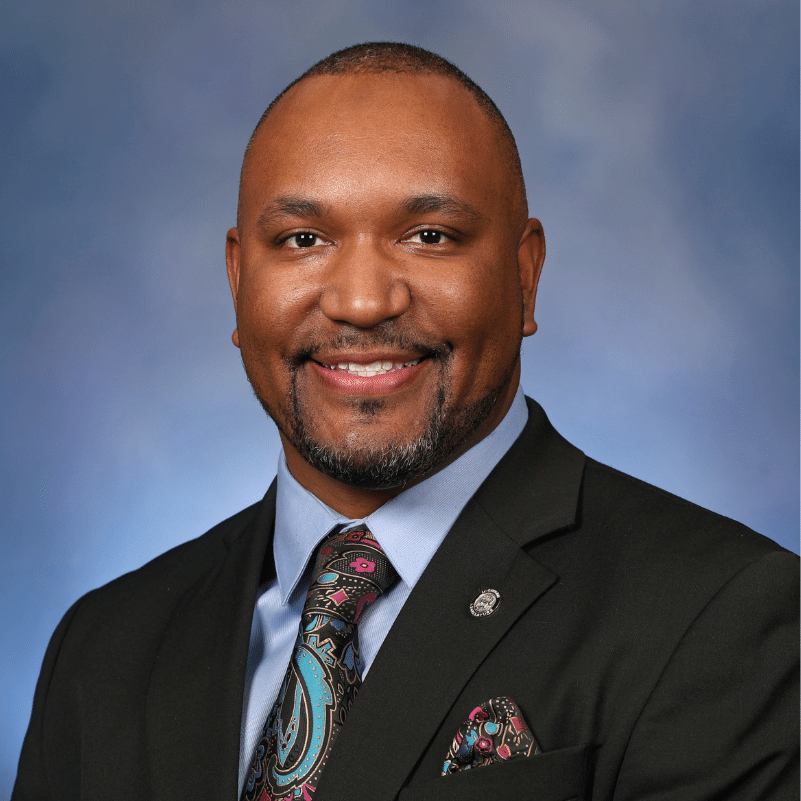
Rep. Jimmie Wilson
Sponsored bills
Maddy summaryThis bill proposes the creation of a select committee to investigate the Interlochen Center for the Arts and its connection to Jeffrey Epstein. The committee would be tasked with examining the relationship between the arts center and the individual, potentially leading to further inquiries or recommendations. The measure is currently under consideration by the Michigan House of Representatives and has been referred to the Committee on Government Operations.
Maddy summaryThis House resolution calls on the Department of Justice to investigate every individual named in the Epstein files, regardless of their political affiliation. The measure responds to the release of millions of documents and a previous statement by the Acting Attorney General that no further federal prosecutions would occur. It urges the government to distinguish between victims, active participants, and those merely mentioned to ensure accountability for all potential perpetrators. As a non-binding resolution, it does not create new laws but formally requests that the Justice Department take action on this specific matter.
Maddy summaryThis bill modifies Michigan's property tax laws to exclude certain university data centers from tax exemptions. It specifically targets public universities, defined as those receiving state school aid, by removing their tax-free status for facilities used solely to operate data centers. The legislation defines a data center as a building housing infrastructure for third-party commercial data processing. This change directly affects public universities in Michigan that currently rely on property tax exemptions for their data center operations.
Maddy summaryThis Michigan bill creates a new regulatory framework requiring large-scale data centers to register with the state and pay fees based on their energy consumption. It defines a large-scale data center as a facility with at least 5 megawatts of power or 25,000 square feet of space, while excluding schools, hospitals, and government buildings. Owners must post financial security to cover potential environmental or infrastructure costs and reimburse any research expenses related to public safety reviews. The legislation also establishes a specific fund to manage these revenues and grants the state department of environment, Great Lakes, and energy the authority to set rules and enforce compliance.
Maddy summaryHB 5251 requires Michigan's medical assistance program (Medicaid for low-income residents) to cover prescribed pediatric extended care for children. This specifically affects low-income children in Michigan who need specialized, long-term medical care beyond standard hospital stays. The bill amends state law to mandate this coverage under existing rules for pediatric extended care (Part 219A of the Public Health Code). The coverage would apply to children receiving medically necessary care as prescribed by a doctor. The bill is contingent on the passage of companion legislation (HB 5252).
Maddy summaryHB 5252 amends Michigan's Public Health Code to create a new licensing category for "prescribed pediatric extended care facilities," which provide specialized long-term medical care for children with complex health needs. The bill establishes specific licensing requirements for these facilities, including standards for staffing, medical oversight, and facility operations, directly affecting providers seeking to operate such services. Key provisions include adding Part 219A to the code and revising existing sections (20106, 20109, 20115, 20161) to incorporate these new requirements. This change aims to ensure consistent safety and quality standards for pediatric extended care facilities across the state. The bill is currently pending in the House Health Policy Committee.
Maddy summaryThis resolution designates April 2026 as Child Abuse Prevention Month for the state of Michigan. It aims to raise public awareness about child safety and encourages residents to learn the signs of abuse and engage in community support. The bill does not create new laws or funding but serves as a symbolic declaration to honor advocates and promote a collective commitment to protecting children.
Maddy summaryThis House resolution calls for an investigation into a February 2026 missile strike on a primary school in Iran that reportedly killed over 100 children. It urges the House and Senate Armed Services committees to examine how the attack occurred, focusing on potential intelligence errors and decision-making processes that may have violated international laws of war. The bill also demands the resignation of Secretary of War Pete Hegseth, arguing that he bears responsibility for the actions of the Department of War. By requesting these specific actions, the resolution seeks to address alleged war crimes and prevent future incidents involving civilian casualties.