

Maddy summaryThis resolution officially designates May 2026 as Asian Pacific American Heritage Month throughout the state of Michigan. It directly affects state government entities and encourages all citizens to recognize and celebrate the contributions of Asian Pacific American residents. The measure serves as a formal acknowledgment of the community's cultural diversity and historical impact on the state, rather than implementing new laws or funding.
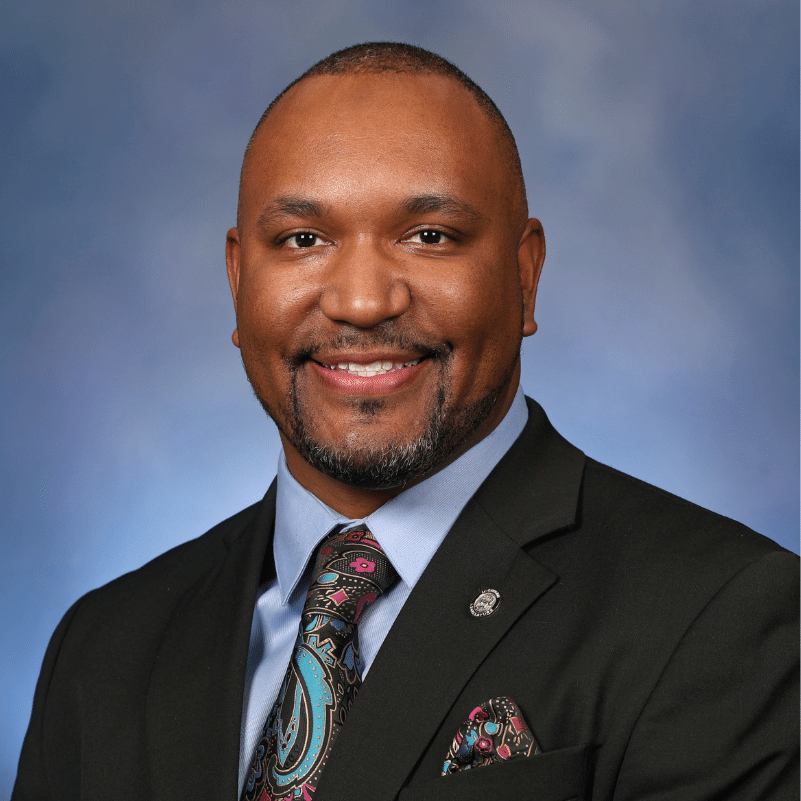
Rep. Jimmie Wilson
Sponsored bills
Maddy summaryThis bill declares May 2026 as Foster Care Awareness Month in Michigan to highlight the experiences of children in the foster care system and honor the caregivers who support them. The resolution aims to increase public understanding of the challenges these children face and to celebrate the efforts of foster families, kinship caregivers, and child welfare professionals. By officially recognizing this month, the legislature encourages continued community involvement and support for youth in foster care without changing any laws or policies.
Maddy summaryThis bill designates May 2026 as Asthma and Allergy Awareness Month specifically within the state of Michigan. The resolution serves as a symbolic declaration to encourage residents to increase public awareness and support for individuals living with these conditions. It does not alter laws, allocate funding, or create new programs, but rather promotes education and prevention efforts through a formal state proclamation.
Maddy summaryHB 5972 requires local governments in Michigan to notify the Secretary of State about specific election-related changes, such as modifications to how winners are determined, shifts between at-large and district-based elections, and plans to remove voters from registration lists. The bill mandates that these notices be submitted within set timeframes and must be posted on the state's website in an accessible format. If a local government fails to provide the required notifications, the Secretary of State must publicly list the violation on the website for at least one year. These new requirements are scheduled to take effect on January 1, 2028, after the Secretary of State consults with relevant organizations and voting rights advocates.
Maddy summaryThis bill designates May 14, 2026, as Hmong Special Guerrilla Units Veterans Remembrance Day in Michigan. It honors Hmong veterans who fought alongside U.S. forces during the Vietnam War and later fled Laos as refugees. The resolution aims to recognize their historical contributions and sacrifices while promoting public awareness of their role in American history.
Maddy summaryThis bill establishes a temporary gas tax holiday in Michigan, setting the motor fuel tax rate to zero cents per gallon starting immediately. The zero rate will remain in effect until either November 1, 2026, or the nationwide average gas price drops below $3.50, whichever happens first. While the holiday is active, the standard tax rates for gasoline and diesel are suspended, and the bill includes specific reporting requirements for suppliers and end users holding fuel inventory.
Maddy summaryThis bill establishes the Michigan Voting and Elections Database and Institute by repealing an older act and creating a new entity to manage election data. The institute will be a partnership between the Secretary of State and public research universities, with the university selecting the director and funding most operations while the state covers initial setup costs. Its primary functions include collecting, archiving, and providing free public access to a wide range of nonpartisan election data, such as precinct-level results, voter registration lists, polling place locations, and district maps. The database must maintain this information for at least 12 years before public release and permanently for archival purposes, while also offering research, training, and technical assistance to local governments and scholars. Additionally, the bill mandates that the institute implement cybersecurity standards comparable to those used by the state's technology department.
Maddy summaryHB 5942 amends state law to establish stricter rules for public utilities in Michigan when they seek to raise rates or change their pricing schedules. The bill requires gas, electric, and steam utilities to obtain approval from the Public Service Commission before implementing any rate increases that would cost customers more money. It mandates that utilities provide advance notice to all affected customers and hold public hearings to allow for input, while also setting specific deadlines for the commission to review and decide on these applications. Additionally, the legislation outlines a process for utilities to request temporary relief from rate hikes and specifies how refunds and interest must be handled if proposed rates are later rejected or reduced. These changes directly impact utility companies and their customers by creating a more transparent and regulated framework for rate adjustments.
Maddy summaryThis resolution declares May 10-16, 2026, as Skilled Nursing Care Week in Michigan to honor residents, staff, and volunteers in skilled nursing facilities. The measure aligns with the national observance established by the American Health Care Association and encourages the state to participate in related events under the theme 'Moments in Bloom!' By officially recognizing this week, the bill aims to promote awareness and community engagement with nursing care services without altering any laws or funding.
Maddy summaryThis bill, known as the Commercial Advertising Loudness Mitigation Act, would require video streaming services in Michigan to ensure that commercial advertisements are not louder than the accompanying video content. Starting July 1, 2027, these services must regulate audio levels so that ads do not exceed the volume of the programs or videos they interrupt. The law applies to internet-based streaming platforms but excludes traditional television stations, cable operators, and services that do not include ads. Violations of this rule could result in a civil fine of up to $10,000 for each instance, which would be collected by the state attorney general and deposited into the general fund.