

Maddy summaryHouse Resolution 70 declares April 2025 as Gold Star Spouses Month in the state of Michigan. This resolution officially recognizes and honors the surviving husbands and wives of U.S. Armed Forces members who lost their lives in service to the nation.
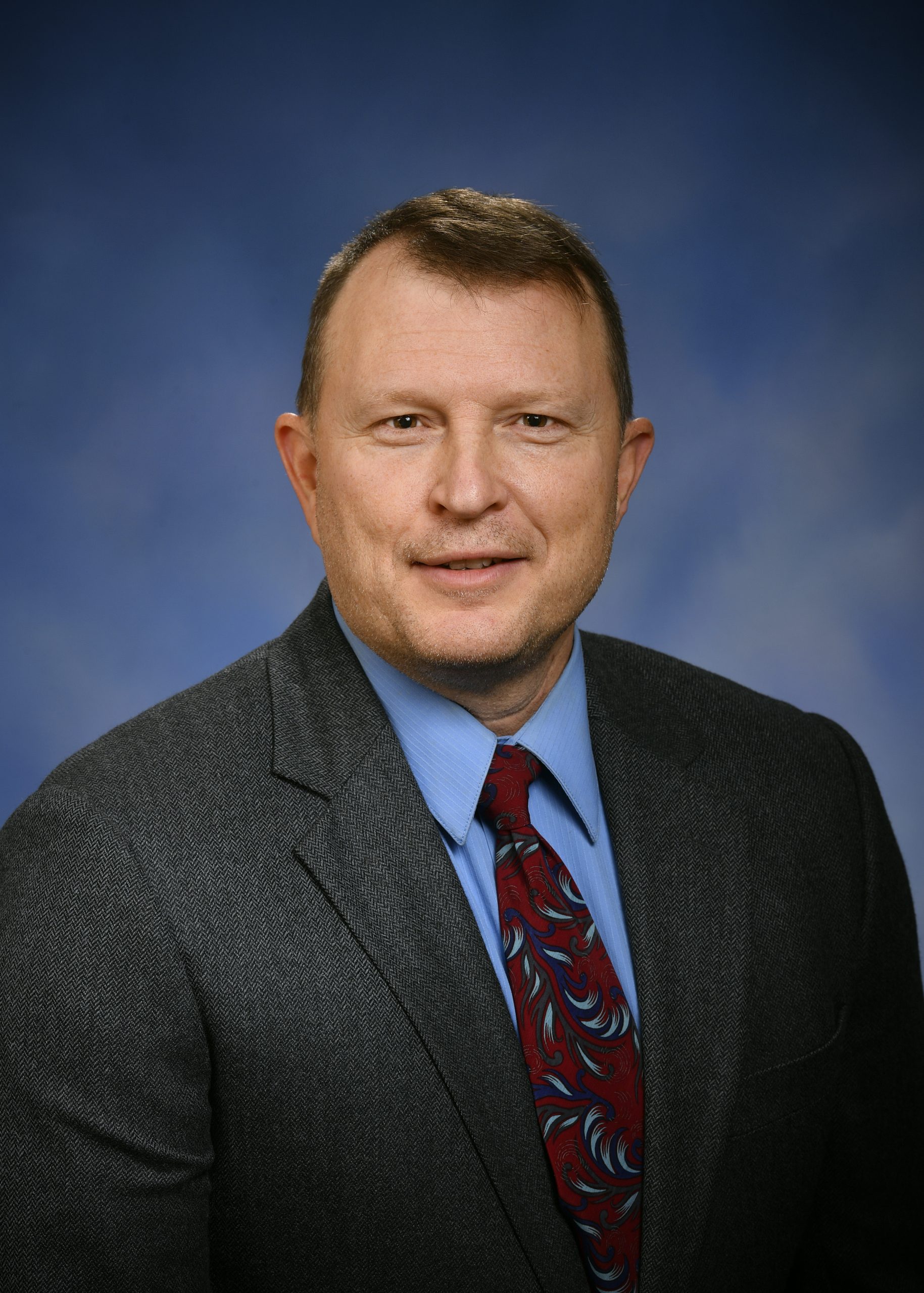
Rep. Will Bruck
Sponsored bills
Maddy summaryHouse Bill 4366 proposes to amend Michigan's Code of Criminal Procedure. Specifically, it modifies section 13c of chapter XVII (MCL 777.13c), which outlines sentencing guidelines. The bill aims to adjust the sentencing guidelines for certain offenses related to excess discharges into the waters of the state. This change would directly affect individuals or entities convicted of such environmental violations, impacting how their sentences are determined by the courts.
Maddy summaryHouse Bill 4365 amends Michigan's Natural Resources and Environmental Protection Act concerning discharges of untreated or partially treated sewage. It expands the list of parties that sewer system operators must notify immediately (within 24 hours) after a discharge begins, including additional county officials and local newspapers in potentially affected counties. The bill also clarifies requirements for testing affected waters for E. coli to assess public health risks. Violations of these updated notification and testing requirements are subject to existing civil fines ranging from $2,500 to $25,000 per day.
Maddy summaryHouse Bill 4330 aims to modify Michigan's State School Aid Act. This bill would allow parents of nonpublic or home-schooled students in grades K-12 to enroll their children in a public school for a core subject without requiring them to enroll in all other core subjects. It amends section 166b of the act, which outlines conditions for part-time public
Maddy summaryHouse Bill 4333 proposes to amend Michigan's Code of Criminal Procedure, specifically section 13k of chapter XVII (MCL 777.13k). The bill aims to establish or modify sentencing guidelines for individuals convicted of offenses related to conducting pathogen enhancement engineering or research. These guidelines would provide a framework for judges to determine appropriate penalties for such crimes. It directly affects individuals involved in this type of research and the state's judicial system by standardizing sentencing procedures for these specific offenses.
Maddy summaryHouse Bill 4332 prohibits individuals and governmental entities in Michigan from conducting "pathogen enhancement engineering or research," defined as altering pathogens to enhance their harmfulness or spread. Violations of this prohibition would be considered a felony, punishable by up to five years in prison, a $100,000 fine, or both. The bill also establishes a $50,000 reward for individuals whose reports lead to the discovery of such prohibited activities. Additionally, the department would be required to notify employees of biological research facilities about this reward and provide educational materials.
Maddy summaryHB 4336 amends Michigan's penal code to create new state crimes related to individuals who are not authorized to be in the United States. The bill establishes felony and misdemeanor offenses for knowingly bringing, transporting, harboring, or encouraging such persons to enter or remain in the U.S. It also creates a felony offense for knowingly hiring ten or more undocumented individuals for employment within a 12-month period. Penalties include fines and imprisonment, with higher penalties for offenses involving commercial gain, serious injury, or death. An exception is provided for religious organizations bringing in volunteer ministers or missionaries.
Maddy summaryHouse Bill 4337 proposes to amend Michigan's code of criminal procedure. It specifically modifies section 16t of chapter XVII (MCL 777.16t), which pertains to sentencing guidelines. The bill aims to establish new sentencing guidelines for individuals convicted of bringing in and harboring certain undocumented persons. This change would directly affect those charged with this specific crime and the courts responsible for their sentencing.
Maddy summaryHB 4312 amends Michigan's sales tax distribution by directing 8.62% of the 4% general sales tax revenue to the Revenue Sharing Trust Fund starting October 1, 2025, with funds distributed to cities, villages, townships, and counties. It maintains existing allocations for aviation fuel tax (35% to the state aeronautics fund, 65% to qualified airport funds) and sets a minimum $9 million annual deposit from computer software sales tax into the Michigan Health Initiative Fund. The bill also clarifies adjustments for school aid fund revenue losses due to specific tax exemptions. These changes directly affect local governments, airports, and health programs through revised tax revenue streams.
Maddy summaryHB 4311 creates a new Revenue Sharing Trust Fund to distribute state funds to local governments starting October 1, 2025. The fund will receive general sales tax deposits, donations, and investment earnings, with money remaining in the fund annually instead of lapsing to the general budget. It allocates $299 million to cities, villages, and townships, and $261 million to counties, using formulas based on property values and population to determine each community's share. This replaces previous eligibility requirements for these payments under 2023 PA 119.