

Maddy summaryThis bill modifies how Michigan distributes transportation funds to county road commissions, directly affecting local governments responsible for maintaining state roads. It introduces specific requirements for reimbursing counties up to $10,000 annually for hiring licensed professional engineers and mandates that 1% of funds be withheld specifically for snow removal. Additionally, the legislation allocates a portion of the funding based on whether a county has roads in urban areas and sets new distribution percentages for preserving and building primary and local road systems. These changes aim to streamline the allocation process and ensure specific resources are directed toward engineering support, winter maintenance, and road infrastructure projects.
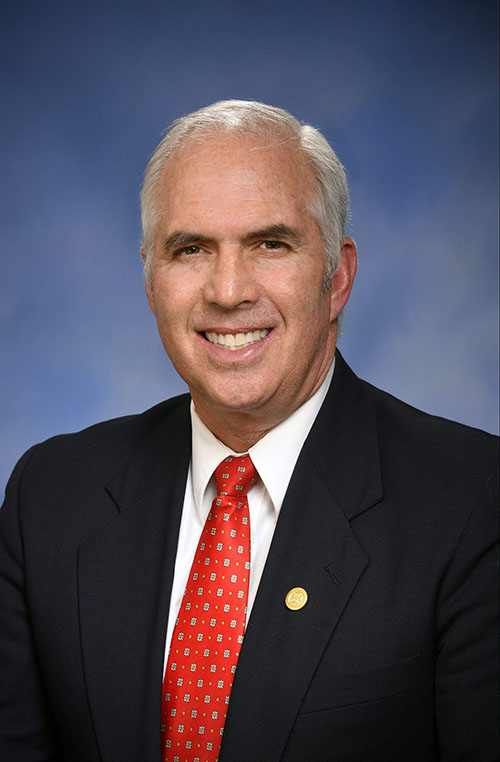
Rep. Jim DeSana
Sponsored bills
Maddy summaryThis bill requires electric utilities in Michigan to hire independent third parties to conduct engineering audits of their distribution systems every five years, with the goal of improving grid reliability and safety. The audits must include a physical inspection of infrastructure and a review of operational processes such as storm restoration and maintenance planning, with all costs paid by the utilities. Additionally, the bill mandates that electric utilities establish programs to help workers transition to new roles during ownership changes, ensuring employees receive comparable wages and benefits for at least 30 months. The Public Service Commission will compile reports on these audits to inform decisions on rates and grid planning.
Maddy summaryThis bill prohibits electric and natural gas utilities in Michigan from including specific administrative and political expenses in the rates charged to customers. It explicitly bans the recovery of costs related to executive compensation, fines, lobbying, advertising, charitable donations, and trade association memberships. If the Public Service Commission determines that a utility has improperly collected these fees, it must order a refund to customers with interest and impose escalating fines based on the number of violations. Any fines levied under this new rule would be directed toward a fund designed to assist low-income individuals with energy costs.
Maddy summaryThis bill requires political candidates in Michigan to submit an affidavit of identity that explicitly discloses if they hold dual citizenship with any other country. The affidavit must list the name of each foreign country, how the candidate obtained that citizenship, and whether their status is active or inactive. Candidates who fail to provide this information or include false statements face disqualification from the ballot and potential criminal penalties for perjury. Additionally, the bill mandates that the Secretary of State post the names of candidates with dual citizenship on the state website within two business days of receiving the affidavit.
Maddy summaryThis bill amends the Michigan Strategic Fund Act to allow the state to require businesses receiving economic assistance to return funds if they move a call center to another country. Starting in April 2027, the fund's agreements will include a clause that triggers a financial penalty if a recipient is listed on a registry of companies that have offshored call centers. The measure directly affects companies accepting state loans, grants, or other project funding, ensuring they do not relocate customer service operations abroad while receiving public support. The bill will only become effective if a related companion bill is also passed into law.
Maddy summaryThis bill modifies Michigan's property tax laws to ensure that farms offering agritourism activities or direct marketing retain their lower agricultural tax classification. It defines agritourism as public events like tours, festivals, and weddings held on the farm, while direct marketing includes selling products directly to consumers at roadside stands or farm stores. The legislation clarifies that engaging in these activities will not cause a property to lose its special tax status, shifting the burden of proof to the state department if a challenge is raised. Additionally, the bill specifies that certain buildings used for these activities, such as on-farm stores or event spaces, count as agricultural outbuildings for tax purposes.
Maddy summaryThis bill requires large Michigan call centers that receive state money to notify the Department of Labor at least 30 days before moving operations or a significant portion of their work to a foreign country. If an employer fails to provide this notice, they must repay any grants, loans, or tax incentives they received from the state. Additionally, the bill mandates that the department create a public registry listing these employers, the number of jobs moved, and the new locations, which will remain active for at least five years.
Maddy summaryThis bill proposes an amendment to the Michigan state constitution to change how local governments can raise taxes. It requires that any new tax or increase to an existing tax rate must be approved by a majority of voters who cast ballots on the issue. Starting January 1, 2027, the law also mandates that at least 30% of all eligible voters in that local area must vote on the question for the tax measure to pass. The amendment includes specific rules to adjust tax rates if property values rise faster than inflation, ensuring tax revenue does not automatically increase without voter approval. Exceptions are made for taxes needed to pay off existing debt or bonds that were authorized before the change takes effect.
Maddy summaryThis bill proposes declaring June 2026 as Nuclear Family Month in Michigan to highlight the importance of households consisting of a married couple and their children. The resolution does not create any new laws or change existing policies but serves as a symbolic gesture to encourage communities and families to reflect on strengthening marital bonds and supporting parents. By designating this month, the bill aims to raise awareness about the perceived benefits of traditional family structures for child well-being and societal stability.
Maddy summaryThis resolution officially designates June 2026 as Dairy Month in Michigan to recognize the state's significant dairy industry. The measure highlights the sector's economic contributions, including its role in food production, job creation, and public health through nutritious dairy products. By adopting this symbolic declaration, the legislature aims to celebrate the achievements of local dairy farmers and processors while promoting awareness of the nutritional benefits of dairy consumption.