

Maddy summaryHR 37 is a symbolic resolution passed by the Michigan House of Representatives to officially recognize March 2025 as Women’s History Month within the state. It does not create new laws or policies but formally declares the month to honor women’s historical contributions to Michigan and the nation. The resolution encourages community participation in events celebrating women’s achievements in fields like science, politics, and education. It directly affects Michigan residents by promoting statewide awareness and reflection on women’s roles in society, without imposing any legal requirements or funding changes.
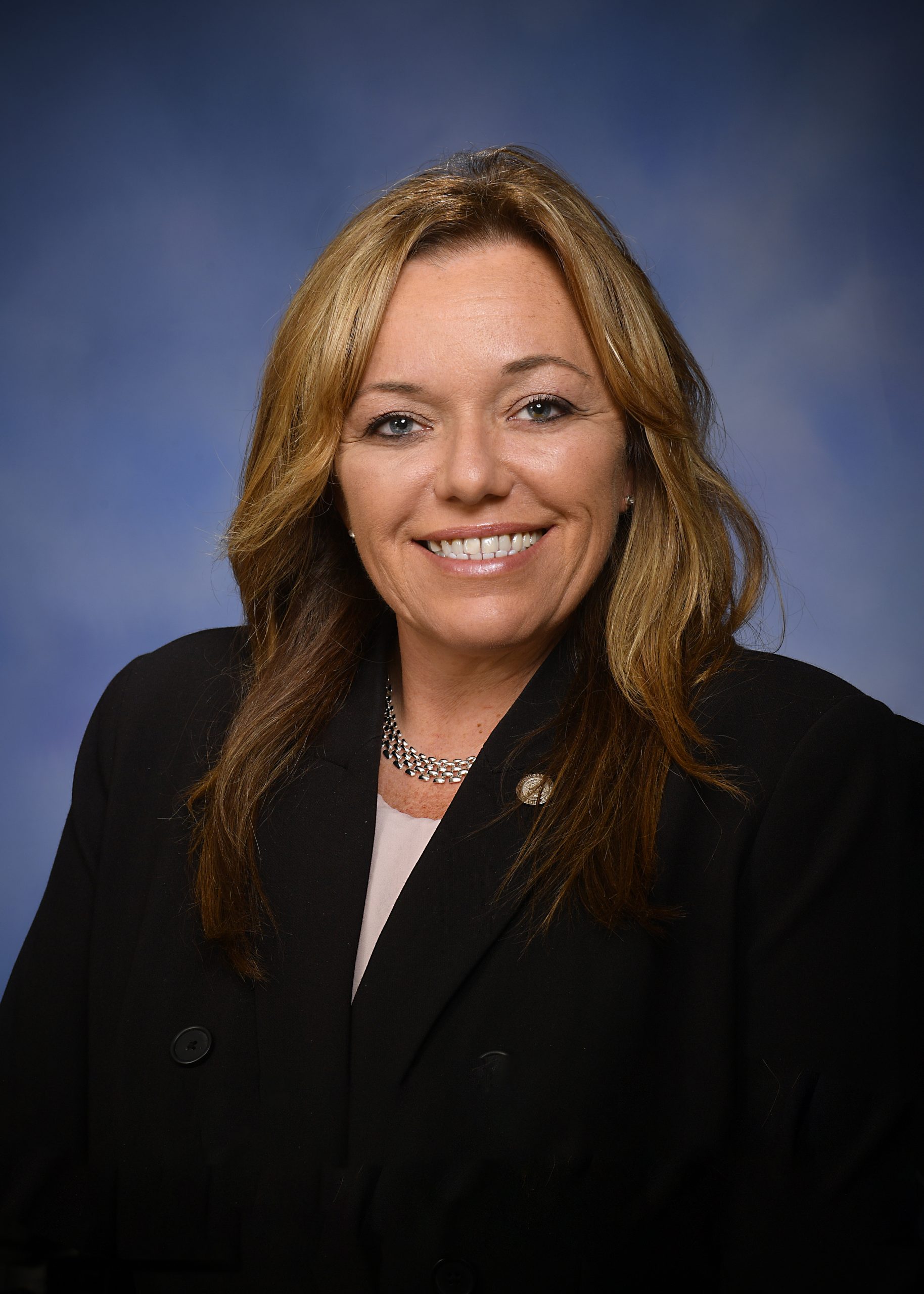
Rep. Jamie Thompson
Sponsored bills
Maddy summaryHB 4166 prohibits the non-medical use of xylazine (a sedative sometimes mixed with drugs like fentanyl) in Michigan. It defines "illicit use" as any xylazine use not covered under "licit use," which includes legal veterinary applications, pharmaceutical manufacturing, or approved medical treatments. The bill amends Michigan's Public Health Code to make possessing or using xylazine for non-licensed purposes a felony, with penalties ranging from up to 20 years in prison or fines up to $1 million depending on the amount. This directly affects individuals using xylazine outside approved medical or veterinary contexts, aligning penalties with those for other controlled substances like opioids.
Maddy summaryHB 4138 amends Michigan's civil procedure code to remove references to the Extreme Risk Protection Order (ERPO) Act, which was repealed. It specifically revises Sections 1908, 2529, and 2559 of the Revised Judicature Act (1961 PA 236) to eliminate exemptions and provisions that previously applied to ERPO-related cases. This change affects court procedures for service of process and filing fees, ensuring the code no longer includes outdated references to the repealed ERPO law. The bill makes no new policy changes to fees or procedures - only aligns the civil code with the ERPO repeal.
Maddy summaryHB 4139 removes references to "extreme risk protection orders" from Michigan's firearm licensing requirements. Specifically, it amends sections of the state's firearms law (MCL 28.422, 28.422b, 28.425b, and 28.428) by deleting the provision that previously required applicants to disclose if they were subject to such orders. This change directly affects individuals applying for firearm licenses, as they will no longer need to certify whether they are under an extreme risk protection order. The bill does not repeal extreme risk protection orders themselves but modifies the licensing process to exclude this specific requirement. The change reflects the repeal of the Extreme Risk Protection Order Act as noted in the bill's title.
Maddy summaryHB 4140 repeals the 2023 "Extreme risk protection order act" (2023 PA 38, MCL 691.1801-691.1821), which established a legal process for temporarily removing firearms from individuals deemed a risk to themselves or others. The bill does not create new provisions or directly affect any individuals or groups, as it solely removes an existing law. This repeal is contingent on two other bills (HB 4138 and HB 4139) also being enacted into law. The bill was introduced on February 26, 2025, and referred to the Judiciary Committee.
Maddy summaryHB 4053 creates the "nondisclosure agreement definitions act" by defining a "nondisclosure agreement" as a contract that prohibits a party from disclosing, discussing, describing, or commenting on the agreement or its terms. This bill does not directly prohibit such agreements but establishes definitions for a future law that would address them. It requires the enactment of another bill (HB 4052 or SB 558) to take effect and passed the Michigan House of Representatives on February 25, 2025, with 91 votes in favor.
Maddy summaryHB 4052 prohibits Michigan legislators and their legislative staff from signing confidentiality agreements related to their official legislative work. Any such agreement entered into after the law takes effect would be void. The bill applies to all agreements made, amended, extended, or renewed on or after the effective date, specifically covering work performed in a legislative capacity. It does not affect personal or non-legislative matters.
Maddy summaryHB 4102 updates Michigan's physical therapy licensing rules to allow the state to join the Physical Therapy Licensure Compact. The bill amends existing licensing sections and adds new provisions (17820a and 17820b) to enable this participation. This change would let physical therapists licensed in Michigan or other compact states practice in Michigan without needing separate state licenses. The bill directly affects physical therapists seeking to work across state lines and Michigan residents needing physical therapy services. It creates a streamlined process for interstate practice under the compact agreement.
Maddy summaryHB 4057 amends Michigan's individual income tax code to adjust how certain deductions are calculated for taxpayers. It specifically modifies Section 30 of the Income Tax Act, affecting Michigan residents who claim deductions for retirement benefits (including Michigan National Guard pensions), education trust payments, and other income adjustments. Key provisions clarify that taxpayers can deduct payments made under Michigan's advance tuition payment contracts for higher education, with specific limits ($42,240 single/$84,480 joint) and annual inflation adjustments. The bill does not create a new child care savings account deduction (that appears related to HB 4056), but refines existing education and retirement-related tax rules. This change directly impacts individual taxpayers using these specific deduction categories when filing Michigan state taxes.
Maddy summaryHB 4058 exempts specific baby and toddler items from Michigan's sales tax, directly affecting parents and caregivers purchasing these products. The bill adds 15 categories of items to the tax exemption list, including cribs, strollers, safety gates, breast pumps (and their collection/storage supplies), baby bottles, diapers, and clothing. Key provisions define eligible items precisely - such as excluding general bottles from breast pump kits unless sold together - and clarify that exemptions apply to both new and reusable products like diapers. This policy change reduces costs for families buying essential childcare items by removing the sales tax burden.