

Maddy summaryHB 4156 amends Michigan's high school graduation requirements for diplomas. It modifies mathematics credit rules by allowing students to fulfill algebra II requirements through approved career and technical education programs (e.g., engineering, computer science) that cover equivalent content, rather than solely through traditional math courses. The bill also clarifies social science requirements, specifying that students entering grade 8 before 2023 may satisfy the economics credit with a personal economics course containing financial literacy, while maintaining core history and civics requirements for all students. These changes directly affect Michigan high school students and school districts by altering diploma eligibility criteria.
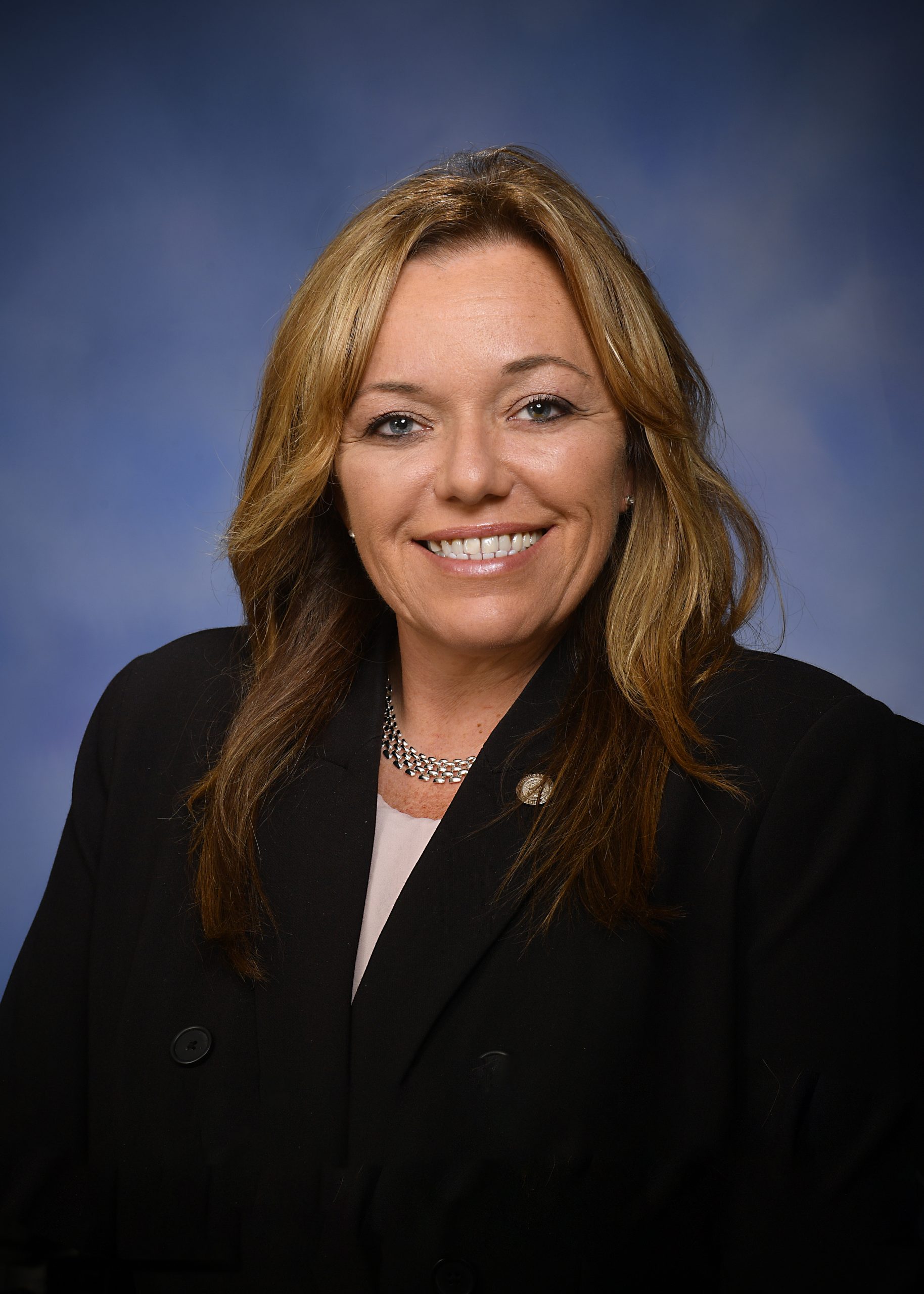
Rep. Jamie Thompson
Sponsored bills
Maddy summaryThis bill, HB 4313, proposes an amendment to Michigan's Income Tax Act of 1967. Its stated purpose is to provide a new individual income tax deduction for residents who live in a legislative district with a vacant seat. The provided bill text outlines the existing structure for calculating taxable income and various current deductions, but it does not include the specific language or mechanisms for the proposed deduction related to vacant legislative seats. Therefore, the details of how this deduction would be implemented are not available in this truncated text.
Maddy summaryHouse Resolution 67 declares April 18, 2025, as Champions Day in the state of Michigan. This resolution encourages the people of Michigan to commemorate the extraordinary accomplishments of Joe Louis, the Detroit Tigers, the Detroit Lions, and the Detroit Red Wings during the 1935 sports season.
Maddy summaryHB 4147 creates a dedicated "school consolidation and infrastructure fund" within Michigan's state school aid budget to support feasibility studies for consolidating administrative and service functions across school districts. It allocates $5 million for grants (up to $250,000 per district) to analyze opportunities in shared services like payroll, IT systems, facility management, food services, and transportation. Districts receiving grants must publicly share study results within 60 days and demonstrate plans for potential consolidation. The fund’s money remains available year-to-year without lapsing, but the bill does not fund actual consolidation - only the preliminary studies.
Maddy summaryHB 4154 amends Michigan's Postsecondary Enrollment Options Act to explicitly include trade schools as eligible institutions for high school students to take college-level courses at reduced cost. This change directly affects Michigan high school students who want to enroll in career-focused programs at trade schools, allowing them to access the same tuition support previously available only at community colleges and universities. The bill updates the definition of "eligible postsecondary institution" to specifically list trade schools, without altering existing rules about course limits, fees, or student eligibility. This clarifies that trade schools can now participate in the program, expanding educational pathways for students seeking vocational training.
Maddy summaryHB 4149 requires Michigan public school districts, intermediate school districts, and public school academies to post a link to the MI School Data parent dashboard on their public websites by July 1, 2026. Starting July 1, 2027, these schools must annually send parents or guardians a notification including specific school performance data from the dashboard, such as state assessment results by subject. The state’s Center for Educational Performance and Information (CEPI) must expand the MI School Data website to include all parent dashboard data and add a school comparison feature. This bill directly affects all public schools in Michigan and their enrolled students’ families by increasing transparency around school performance metrics.
Maddy summaryHB 4185 changes how Michigan's general sales tax revenue is distributed. It directs 15% of the 4% sales tax to cities, villages, and townships through the Glenn Steil Revenue Sharing Act. Sixty percent goes to the state school aid fund (including all 2% tax from aviation fuel sales), while 27.9% of 25% from vehicle/fuel sales funds the transportation system. Additionally, it requires $9-12 million annually from computer software sales to the Michigan health initiative fund.
Maddy summaryHB 4184 increases Michigan's excise tax on aviation fuel from 3.10 cents to 4.00 cents per gallon. It directly affects fuel sellers, airlines, and airport operators by changing how this tax revenue is distributed. The bill modifies Section 203 of the Aeronautics Code to require 35% of the tax revenue to fund the state aeronautics fund and 65% to fund qualified airports. It also retains the 1.5-cent refund for airlines operating interstate flights and the exemption for fuel used in leaded racing fuel production.
Maddy summaryHB 4186 increases Michigan's business income tax rate from 4.95% to 30% for all business activity occurring on or after January 1, 2025. This rate change directly affects businesses operating within Michigan that are subject to the state's business tax, including those previously filing under the corporate income tax act. The bill amends sections 201 and 500 of the Michigan Business Tax Act (2007 PA 36) to implement this rate increase and adjust the tax base calculations for businesses. The change represents a significant policy shift in how Michigan taxes business income, effective in 2025.
Maddy summaryHB 4170 permanently sets Michigan's individual income tax rate at 4.05% for all taxpayers, replacing a temporary 4.25% rate scheduled to take effect in 2024. It creates a mechanism where the rate could decrease further if state revenue growth exceeds inflation, requiring annual revenue reviews. The bill directly affects all Michigan residents who pay individual income tax. The change takes effect immediately for tax years beginning January 1, 2025, with the 4.05% rate now permanent unless triggered by the revenue growth condition.